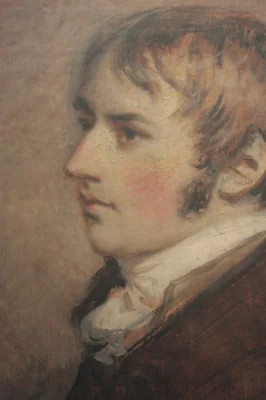
John Constable
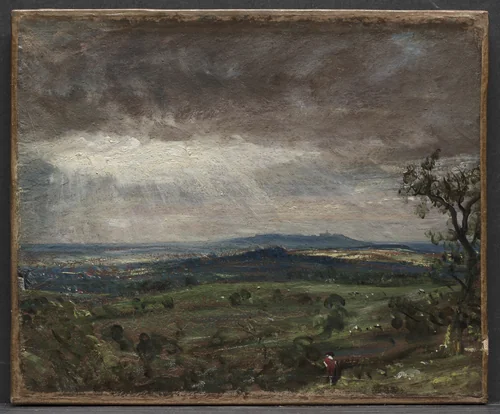
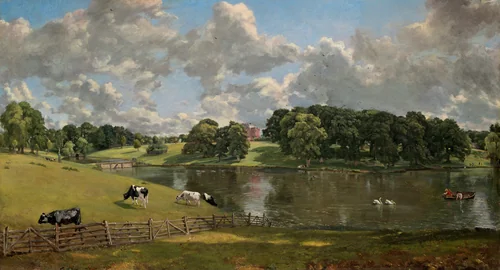
John Constable (1776-1837) stands as one of the most pivotal figures in the history of British art, a painter whose commitment to direct observation redefined the landscape genre during the Romanticism movement. Active primarily between 1776 and 1809, this Suffolk native is celebrated for having revolutionized how artists approached nature, moving away from idealized compositions toward an almost scientific fidelity to atmospheric conditions and light.
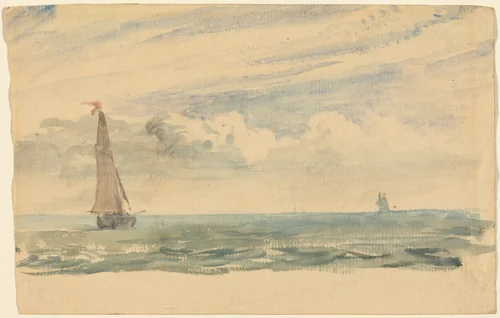
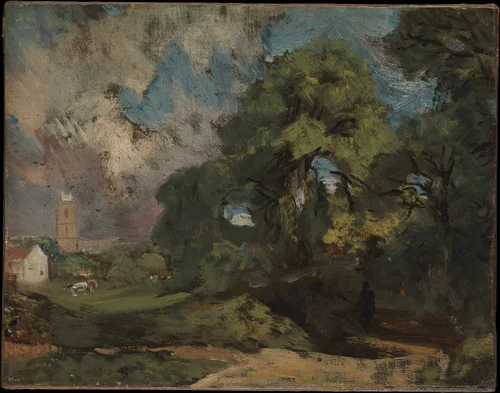
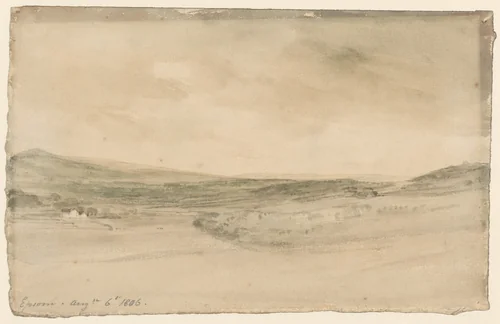
Constable’s profound significance rests on his radical decision to elevate local, familiar scenery to the height of high art. Rather than seeking dramatic, foreign vistas or relying on historical allegories, he concentrated almost exclusively on the terrain surrounding his Suffolk birthplace. This area, Dedham Vale, now affectionately known as "Constable Country," became his primary and enduring subject. Early studies, such as A Seascape with Two Sail Boats, showcased his observational rigor, but it was the inland landscapes that captured his deepest sentiment.
This intense focus stemmed from a profound personal philosophy. As he articulated in a letter to his friend John Fisher in 1821, "I should paint my own places best," adding that "painting is but another word for feeling." This statement encapsulates his belief that authentic artistic expression derived not from invention, but from an intimate, almost spiritual, attachment to the subject matter. It is a curiously modern sentiment for an artist working in the early 19th century, suggesting that the most revolutionary act is often the most personal one.
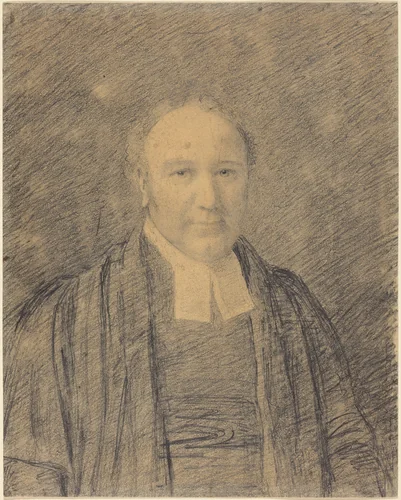
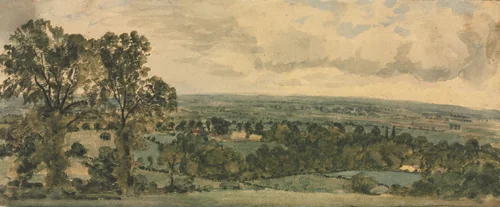
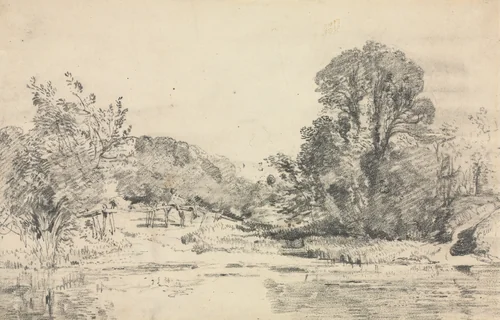
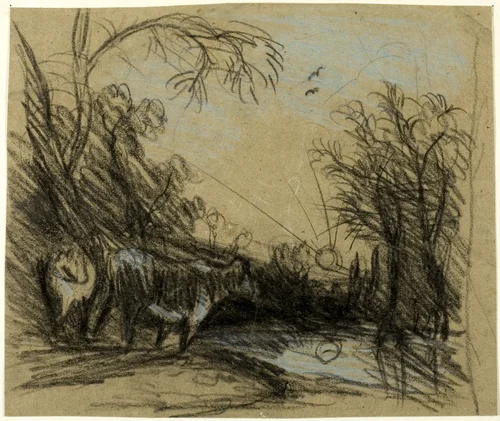
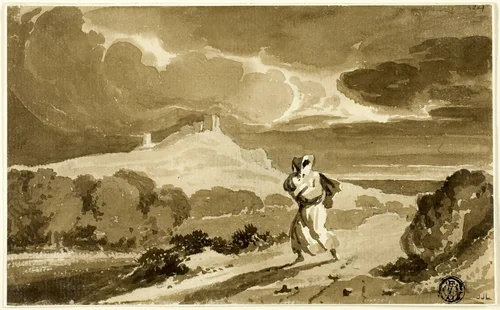
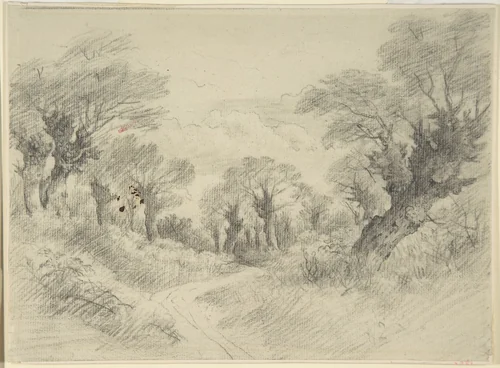
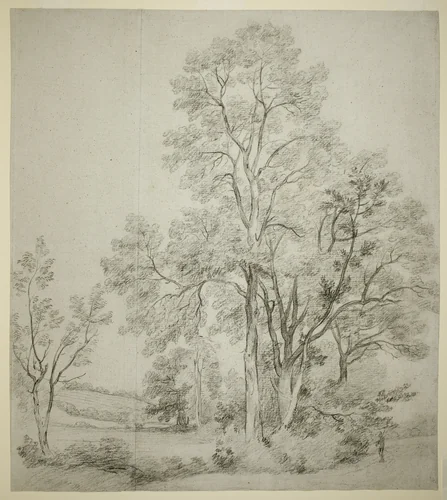
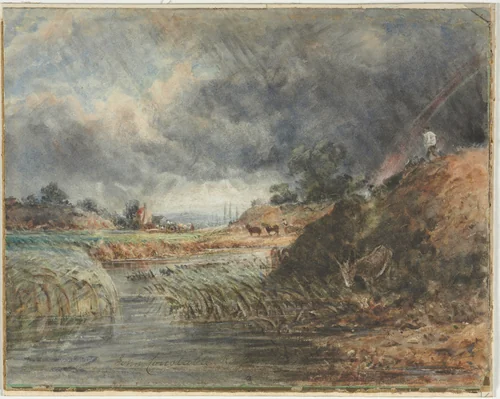
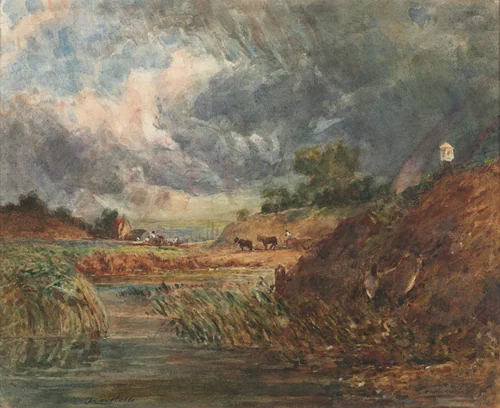
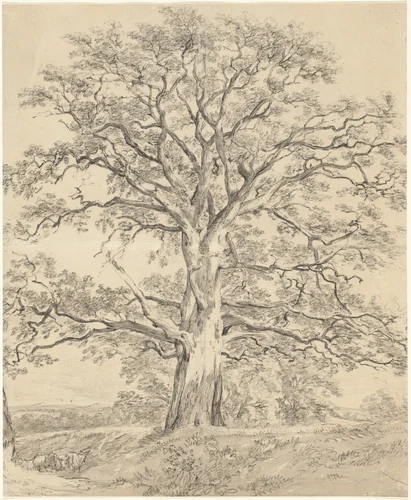
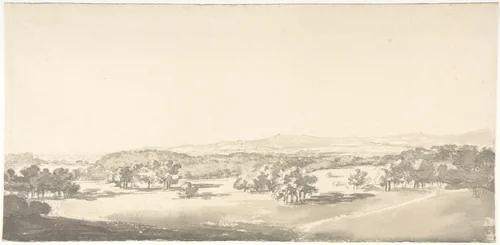
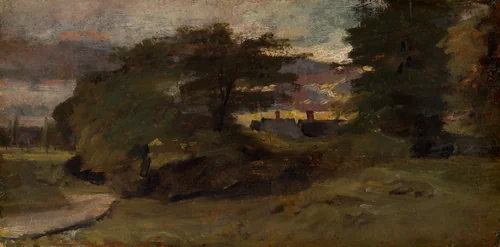
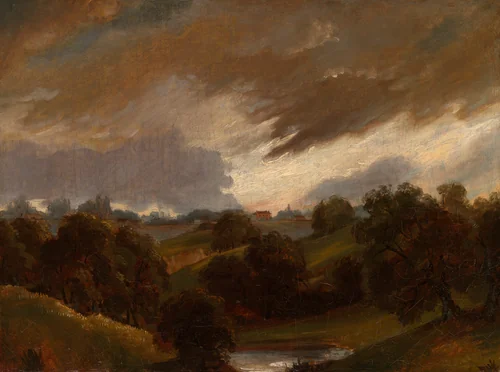
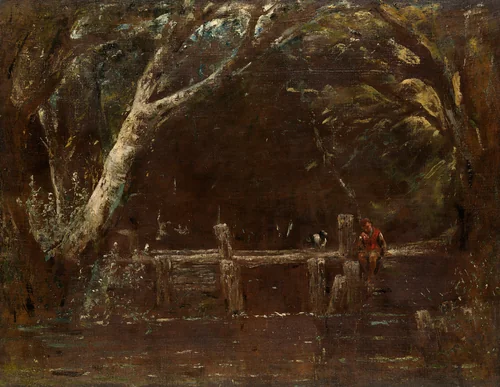
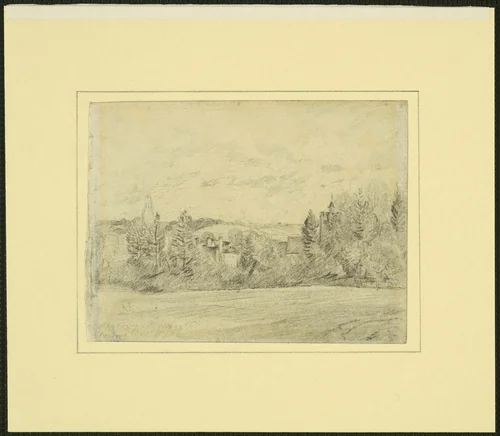
Constable’s extensive output includes observational pieces like Landscape with Cows and Landscape with Trees Surrounding a Pond. While he occasionally executed commissioned works, such as the Half-Length Portrait of a Cleric, his artistic legacy remains firmly anchored in the emotional honesty and naturalism of his pure landscapes. Today, significant John Constable paintings and drawings are held by premier international institutions, including the Metropolitan Museum of Art and the National Gallery of Art. Because many of his works now reside in the public domain, enthusiasts can easily obtain high-quality prints and downloadable artwork, ensuring his vision of the English countryside remains accessible worldwide.
Source: Wikipedia · CC BY-SA 4.0