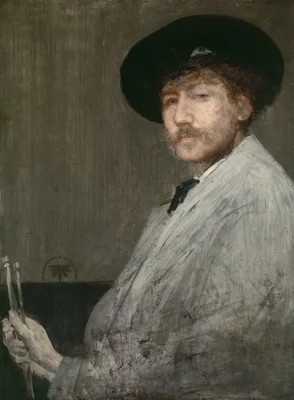
James Abbott McNeill Whistler
James Abbott McNeill Whistler (1834-1903) remains one of the most significant and often contentious figures of the American Gilded Age. Though born in the United States, he established his long career primarily in the United Kingdom, becoming a central figure in the internationalization of 19th-century art. Active between 1858 and 1895, Whistler fundamentally rejected Victorian narrative painting. He was the leading proponent of the credo, "art for art's sake," an uncompromising stance that separated aesthetic pleasure from moral obligation. His refusal to inject sentimentality or overt historical allusion into his canvases was revolutionary at the time.
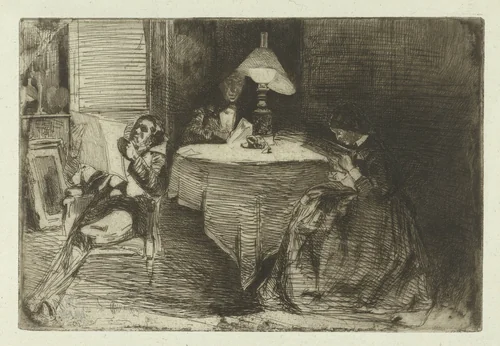
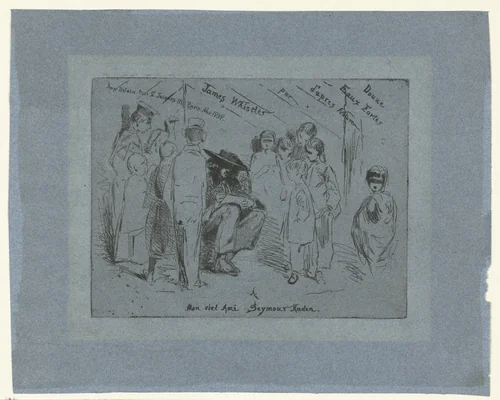
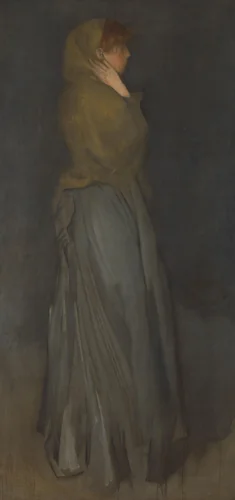
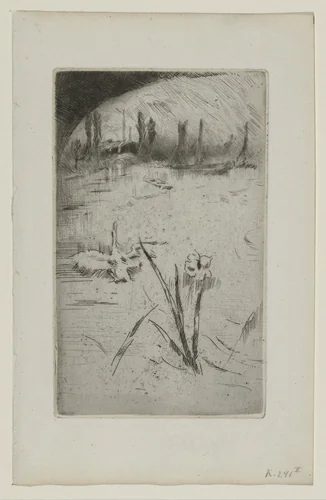
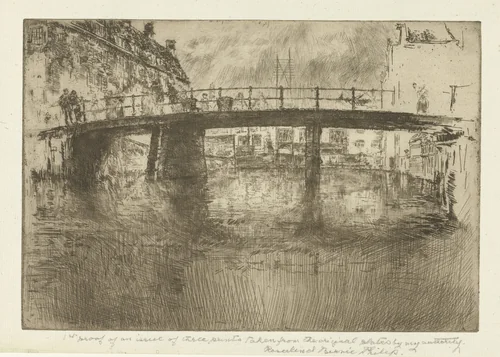
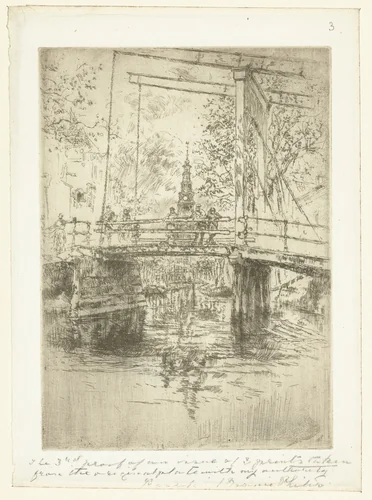
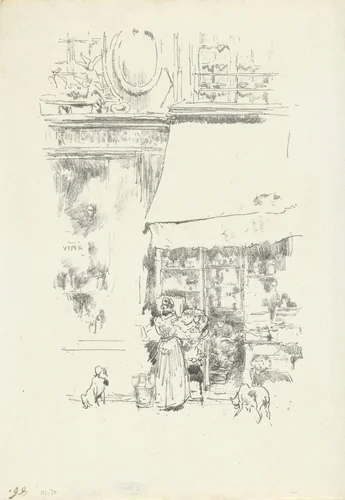
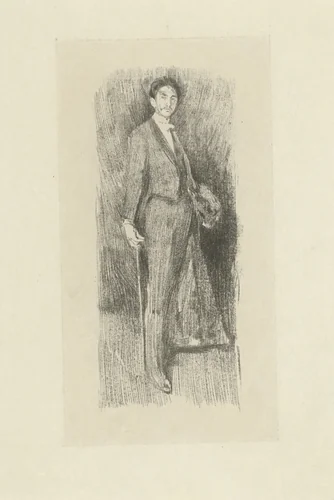
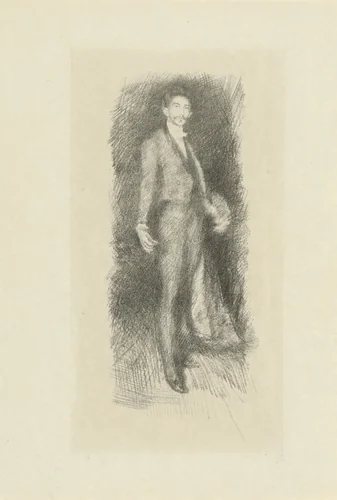
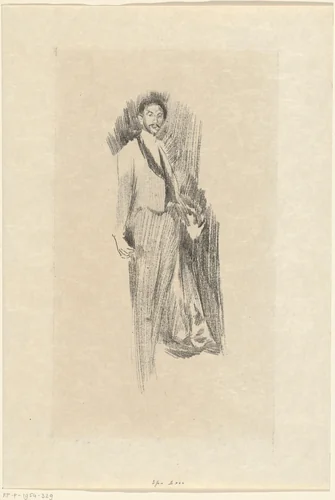
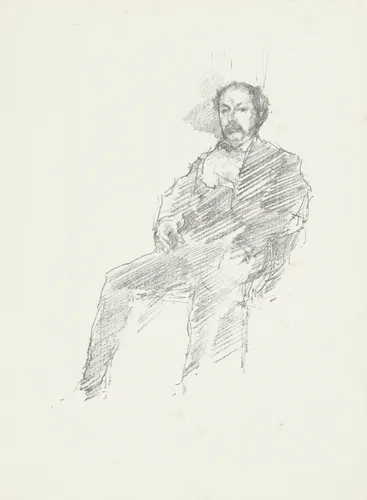
Whistler was a highly versatile practitioner, mastering both oil and watercolor painting, but achieving specific renown as a printmaker, influencing generations of graphic artists. His subtle, tonal approach aimed to translate musical principles into visual form, often titling his works as 'Nocturnes,' 'Harmonies,' or 'Arrangements,' such as ‘Arrangement in Yellow and Gray’: Effie Deans. This unique methodology sought to emphasize color and composition over subject matter. His famous series of etchings and drypoints, including works like De muziekkamer and Whistler en zijn vrienden, established him as a pioneer in the revival of high-quality prints.
Beyond his aesthetic innovations, Whistler cultivated a sharp, witty public persona, viewing the creation of his image as integral to his art. He was a famously dapper and combative figure, often clashing with critics, most famously John Ruskin, whom he successfully sued for libel. Yet, despite his flair for controversy, his commitment to purely visual experience ensured his lasting legacy. Today, the enduring aesthetic value of works held in collections like the Rijksmuseum ensures that James Abbott McNeill Whistler paintings and prints remain influential study materials, many of which are now entering the public domain, making downloadable artwork widely accessible.
Source: Wikipedia · CC BY-SA 4.0