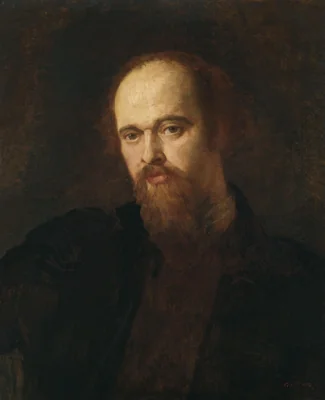
Dante Gabriel Rossetti
Dante Gabriel Rossetti (1828-1882) remains a seminal figure in nineteenth-century British art, distinguished equally as a painter, poet, illustrator, and translator. In 1848, he co-founded the Pre-Raphaelite Brotherhood alongside William Holman Hunt and John Everett Millais. This radical collective sought to reject the academic dogmas established by Sir Joshua Reynolds, striving instead to recapture the luminous detail, moral seriousness, and intense naturalism of painting created before the High Renaissance master Raphael. Rossetti served as the movement’s ideological and aesthetic compass during its most consequential years.
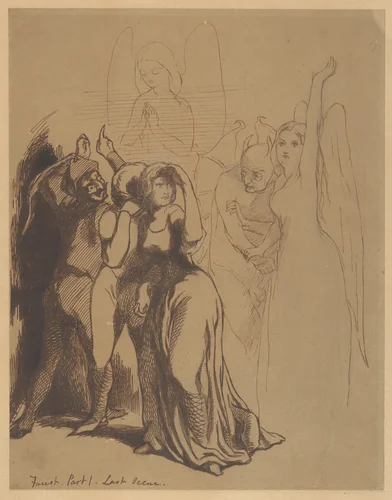
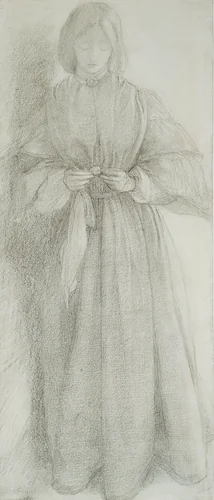
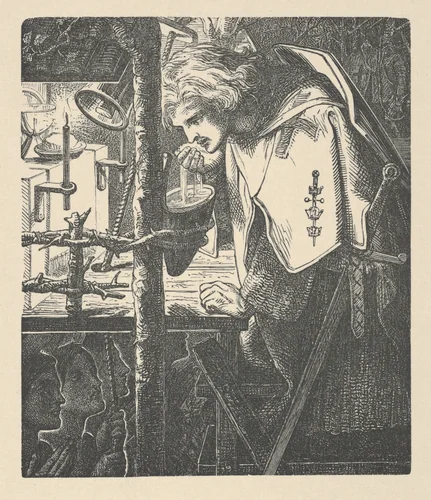
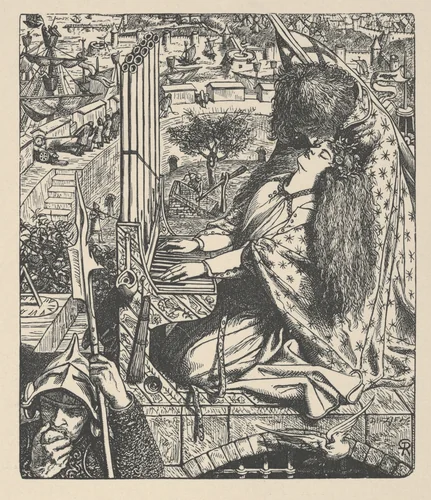
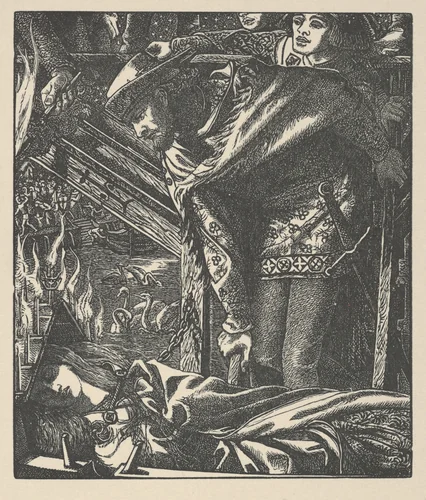
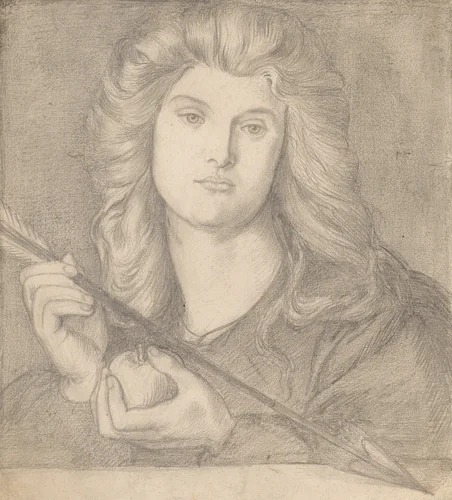
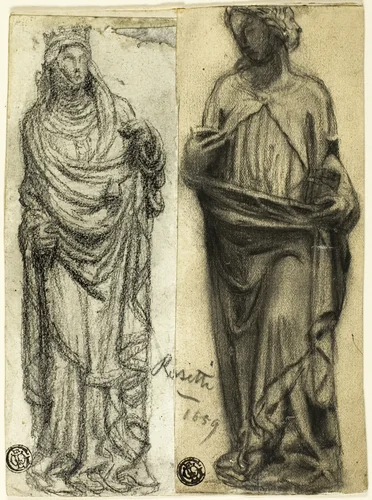
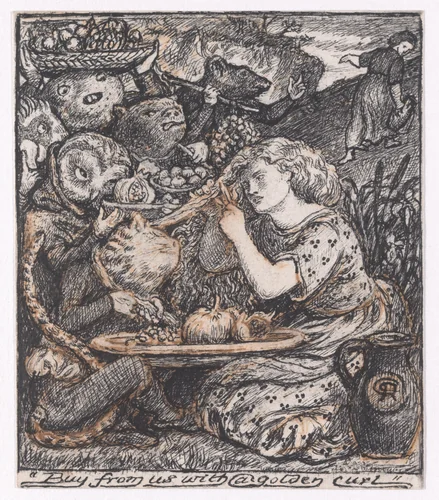
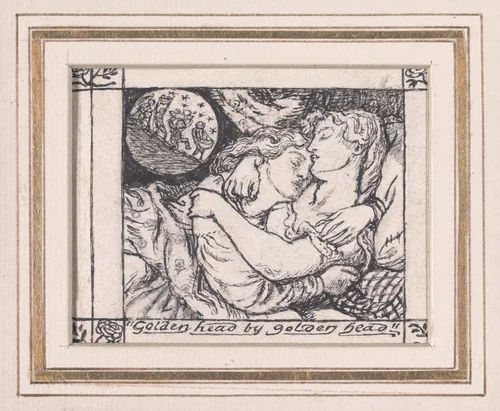
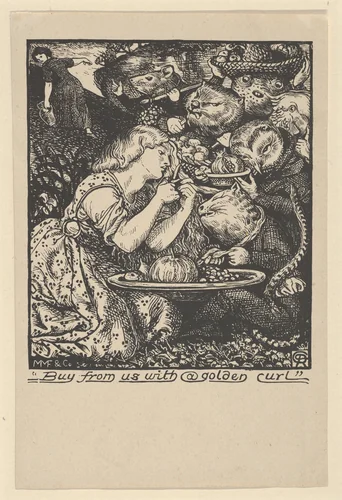
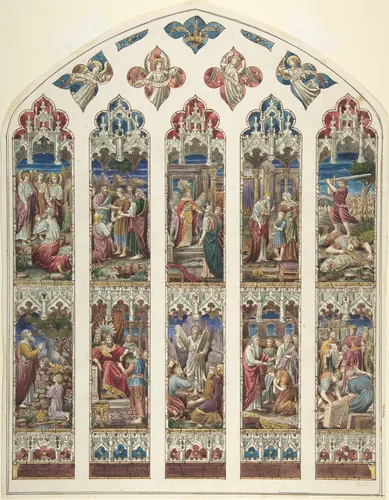
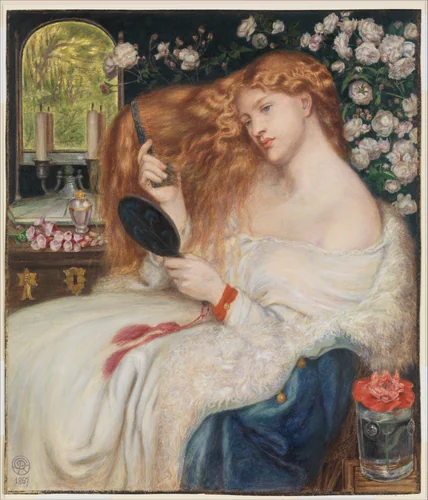
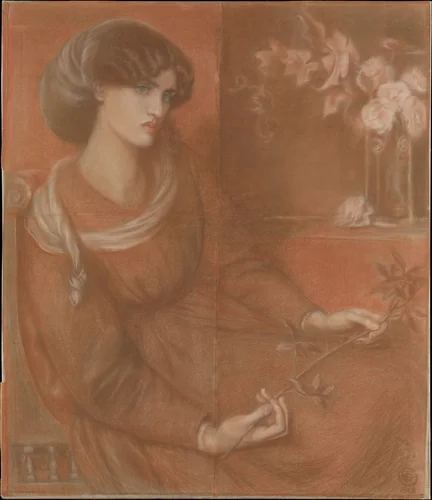
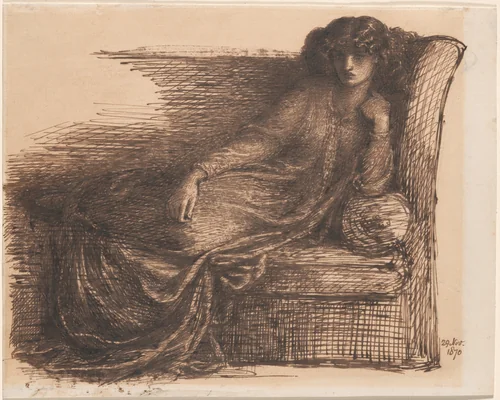
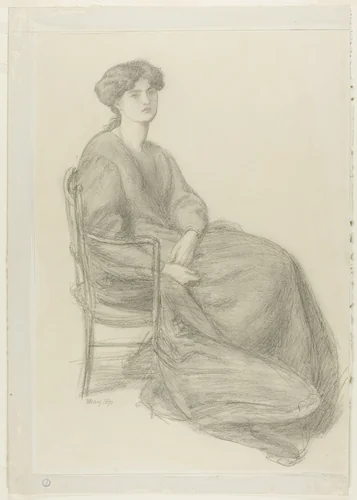
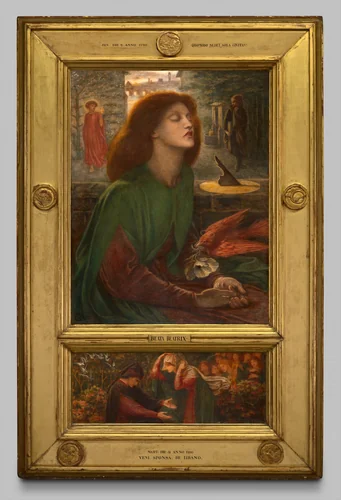
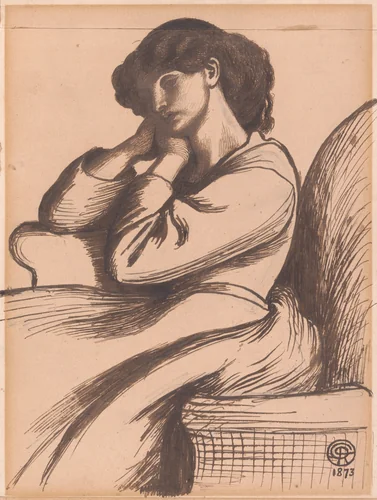
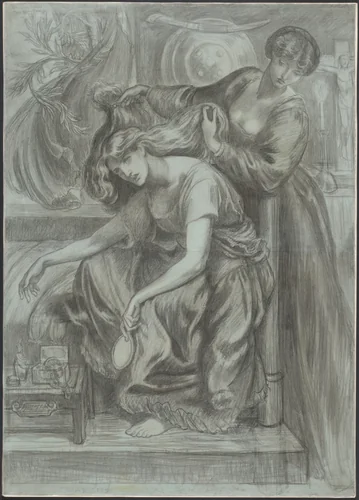
Rossetti’s visual output, active primarily between 1846 and 1868, was intrinsically linked to literary sources. His portfolio includes celebrated illustrations for Tennyson, such as Mariana in the South and Sir Galahad, often realized through meticulous pen-and-ink studies and watercolors rather than oil painting. His deep engagement with poetry and classical literature is also evident in preparatory drawings like Faust: Part 1. Last Scene and psychological portraits such as Elizabeth Siddal (Mrs. Dante Gabriel Rossetti). These compositions were frequently translated into Dante Gabriel Rossetti prints, a vital medium for circulating his designs throughout the Victorian era. Today, his works are held in major international institutions, including the Metropolitan Museum of Art and the Art Institute of Chicago; many are now available in the public domain, making high-quality prints accessible for scholarly study.
Rossetti’s intensely symbolic and often languorous style proved hugely influential. He inspired the next generation of creatives, notably William Morris, Edward Burne-Jones, and Algernon Charles Swinburne. Furthermore, his focus on subjective mood, sensual beauty, and the "art for art’s sake" credo decisively positioned him as a major precursor of the Aesthetic movement and a key influence on European Symbolists. It is perhaps characteristic of the artist’s commitment to poetic identity that, born Gabriel Charles Dante Rossetti, he consciously reordered his names to place "Dante" first, thereby linking himself irrevocably to the great Florentine poet before commencing his own artistic career. This lifelong commitment to intellectual and visual depth cemented his legacy as one of the most compelling figures of the Victorian age.
Source: Wikipedia · CC BY-SA 4.0