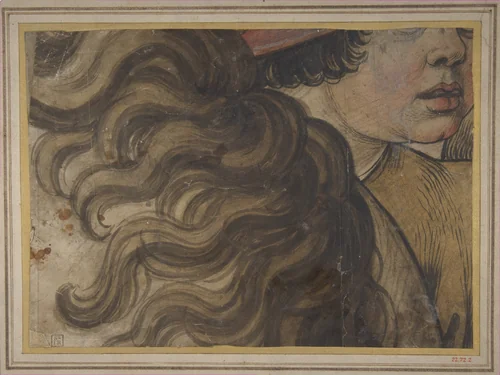
Raphael
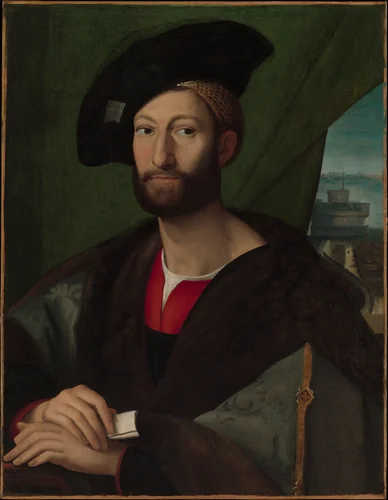
Raffaello Sanzio da Urbino (1483-1520), universally known as Raphael, is the undisputed third pillar of the Italian High Renaissance. Working primarily as a painter and architect, the Umbrian master is conventionally situated alongside Leonardo da Vinci and Michelangelo, forming the celebrated trinity of genius that defined the stylistic climax of sixteenth-century art. Though his career lasted barely two decades, his subsequent influence established the aesthetic standard against which subsequent generations of European academic artists would be measured.
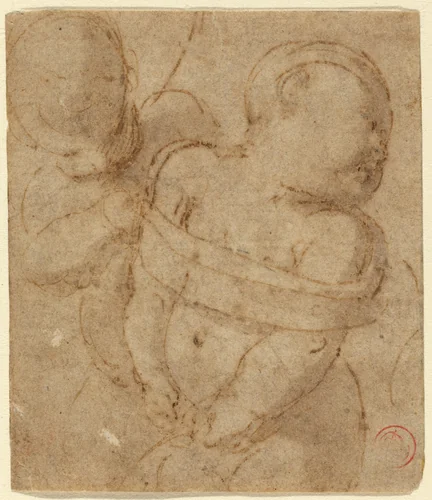
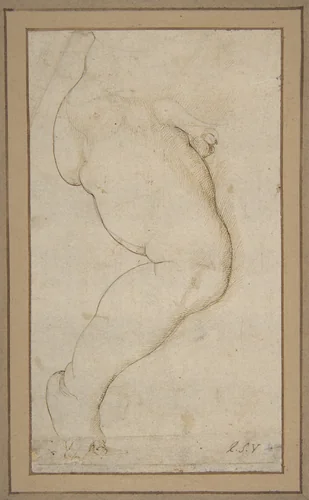
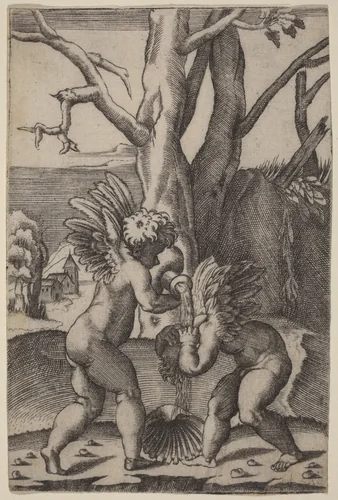
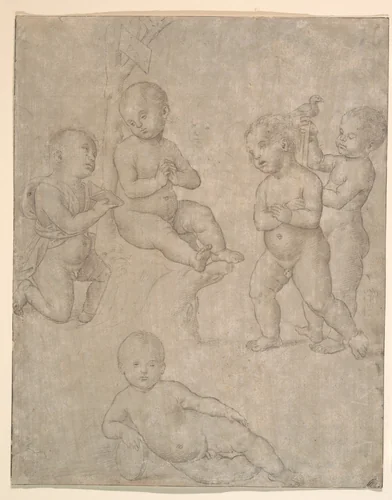
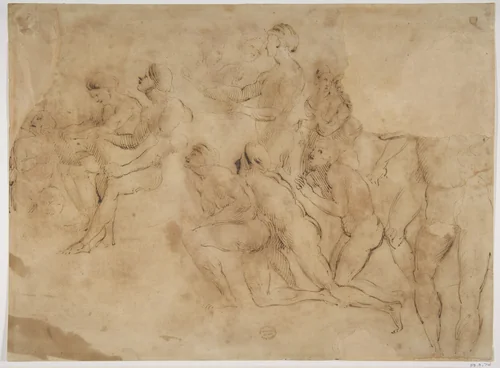
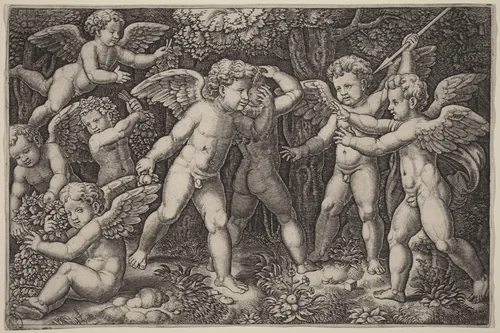
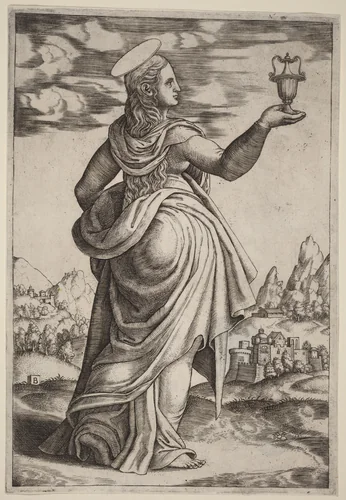
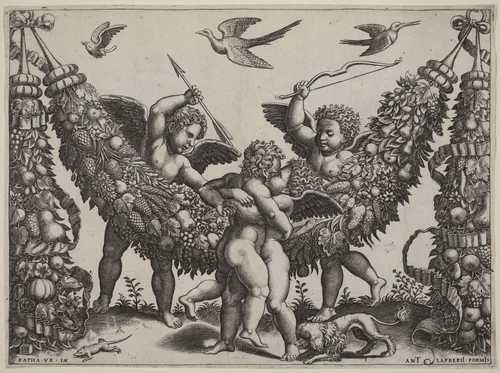
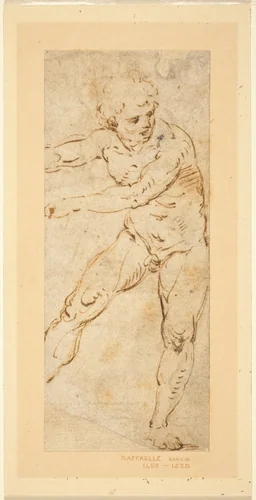
Raphael’s aesthetic signature is characterized by an immaculate clarity of form, an ease of composition, and a serene visual resolution. He skillfully translated the complex philosophical tenets of Neoplatonism, aiming to achieve a visual ideal of human grandeur and divine perfection in his figures. This rigorous pursuit of idealized beauty is evident across his diverse output, from monumental Vatican frescoes to intimate, highly finished drawings like Putti Playing and the intense figure study The Magdalen.
While his technical prowess and grace are celebrated, Raphael’s operational efficiency was equally impressive. He was a supreme manager, capable of directing a highly successful workshop, enabling him to complete an extensive, high-demand corpus of work within his brief lifespan. This administrative dexterity allowed him to complete ambitious projects quickly, demonstrating a remarkable professional discipline rare among his peers.
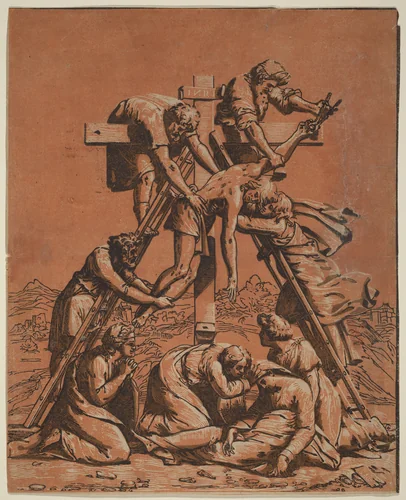
Today, Raphael’s preparatory sketches and final pieces, including The Descent from the Cross, are cornerstone holdings in institutions such as the Metropolitan Museum of Art and the National Gallery of Art. Due to their age and historical importance, many of these iconic Raphael paintings and Raphael prints are now firmly within the public domain. This accessibility allows researchers and enthusiasts worldwide to acquire museum-quality reproductions, ensuring that high-quality prints and downloadable artwork of his precise draftsmanship remain essential resources for the study of classical perfection.
![Architectural Details and a Soldier [verso] by Raphael, drawing, 1483-1520](https://img.artbee.org/e26ff38b-2cf2-416a-956e-09b754c7af70/small.webp)