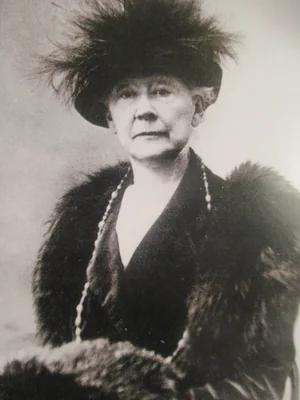
Mary Cassatt
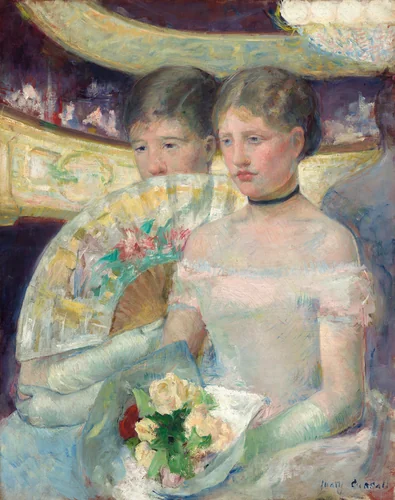
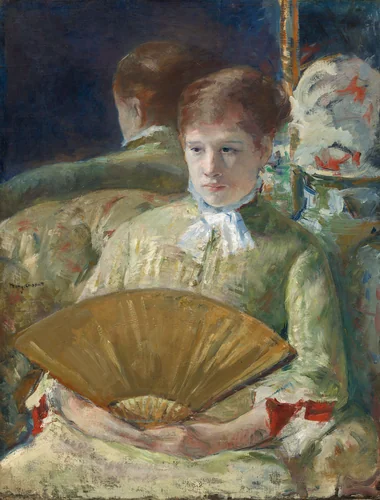
Mary Cassatt (1844-1926) stands as one of the pivotal American figures of nineteenth-century French Impressionism. Born in Allegheny, Pennsylvania, she relocated permanently to France as an adult, a deliberate move that allowed her to integrate fully into the Parisian avant-garde and bypass the conservative strictures of the official art establishment.
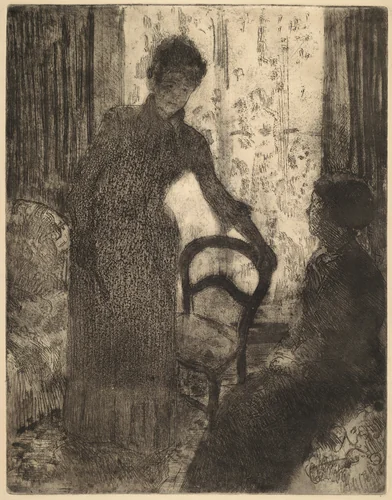
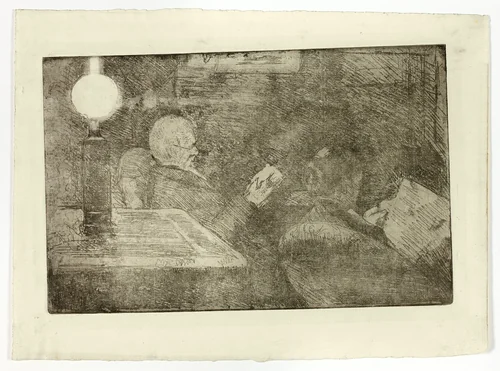
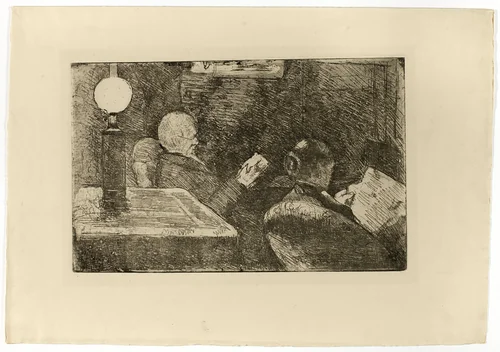
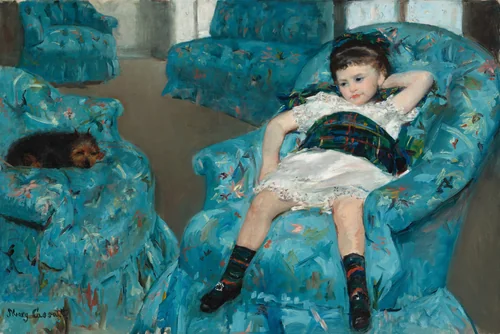
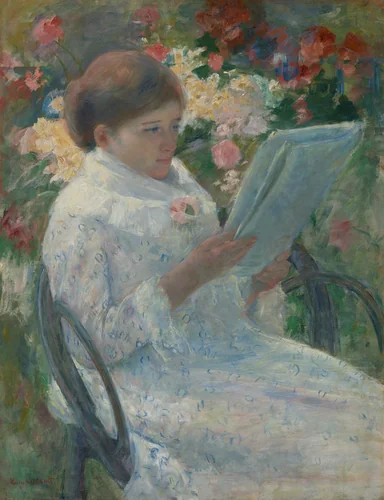
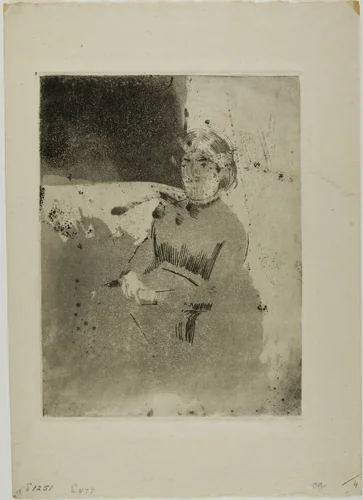
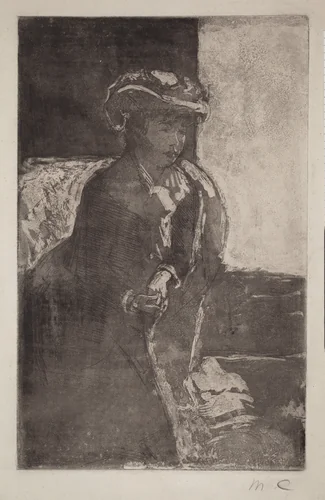
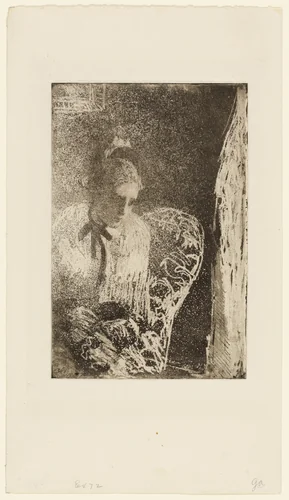
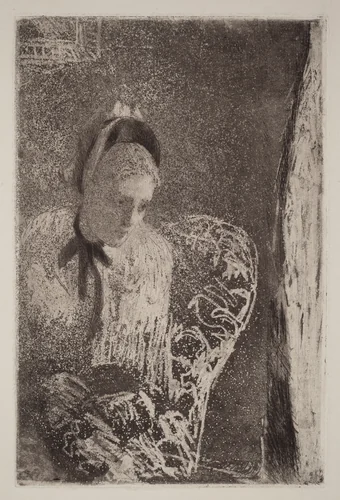
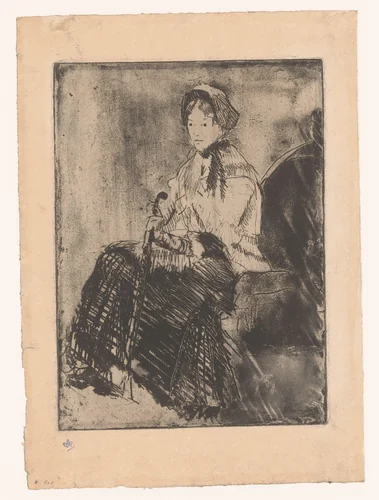
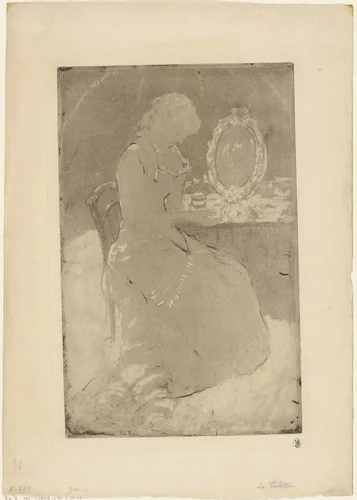
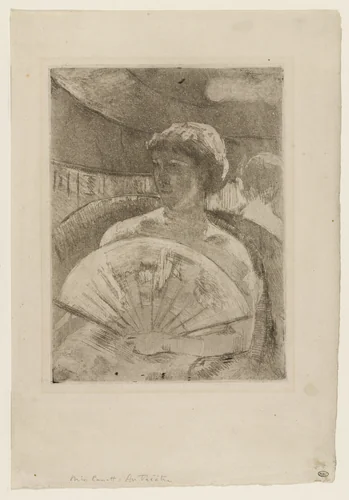
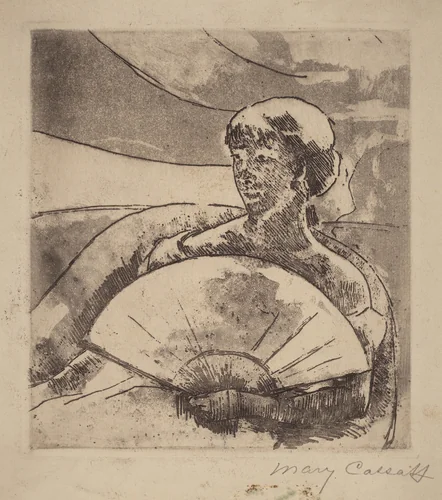
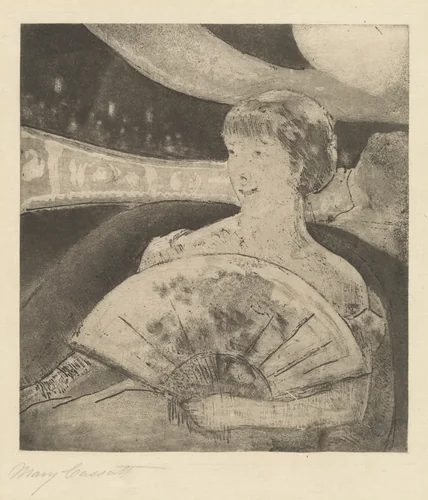
Her decisive break came in 1877 when she accepted an invitation from Edgar Degas to exhibit with the independent artists, marking her only formal affiliation with the Impressionist group. The ensuing friendship with Degas proved instrumental, encouraging Cassatt’s dedicated experimentation with graphic arts. During her most active period, roughly 1875-1879, she produced a significant body of work, notably including the oils Little Girl in a Blue Armchair and intimate family portraits, such as Mr. and Mrs. Cassatt Reading. Researchers and curators often rely on the technical precision found in Mary Cassatt prints from this era to understand her developing mastery.
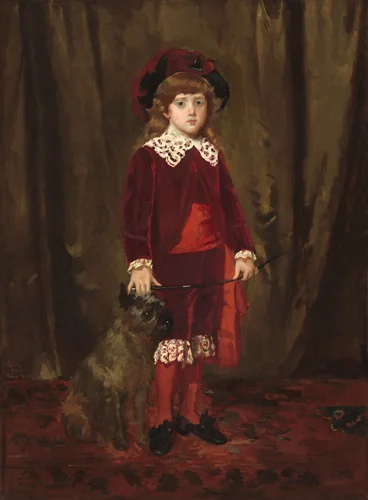
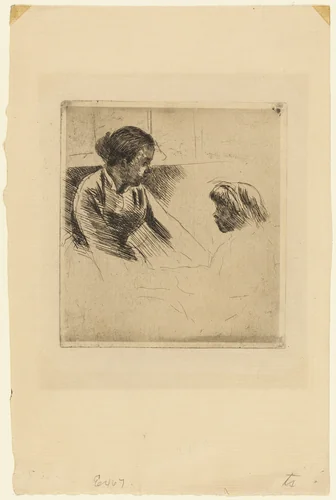
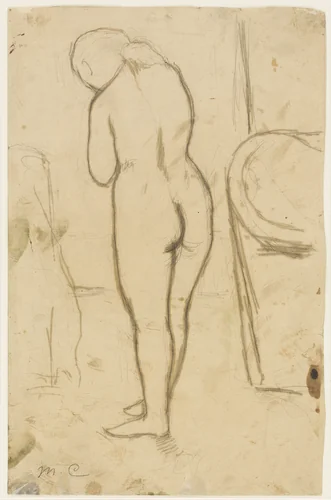
Cassatt established a distinctive subject repertoire: the social and private lives of women, approached with notable frankness and dignity. While many male contemporaries often idealized their female subjects, Cassatt focused on powerful, tender explorations of the intimate bonds between mothers and children, a theme she explored through painting, drypoint, and etching. Studies, like her sketch Eddy Cassatt (Edward Buchanan Cassatt), demonstrate her focus on capturing domestic reality rather than romantic fiction.
Unlike many artists who struggled for recognition during their lifetimes, Cassatt possessed a keen eye not only for technique but also for patronage; she actively encouraged major American collectors, including the Havemeyers, to acquire Impressionist works, thereby fundamentally shaping the core holdings of several U.S. institutions. Her legacy is preserved today in collections such as the National Gallery of Art and the Art Institute of Chicago. Due to the historical nature of her output, much of this work is available as downloadable artwork, ensuring that the visual legacy of Cassatt remains widely accessible within the public domain.
Source: Wikipedia · CC BY-SA 4.0