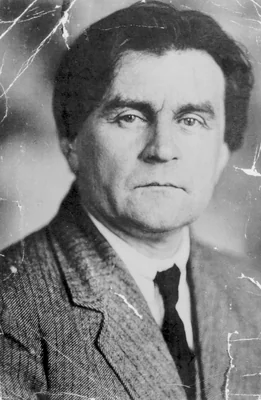
Kazimir Malevich
Kazimir Malevich (1878-1935) stands as one of the most profoundly influential figures in 20th-century art, an avant-garde artist and theorist whose pioneering concepts fundamentally altered the trajectory of abstraction. Born in Kiev to an ethnic Polish family, Malevich was active primarily in Russia and became a central figure of the Russian avant-garde, though his work is also deeply associated with the modern art history of Central and Eastern Europe.
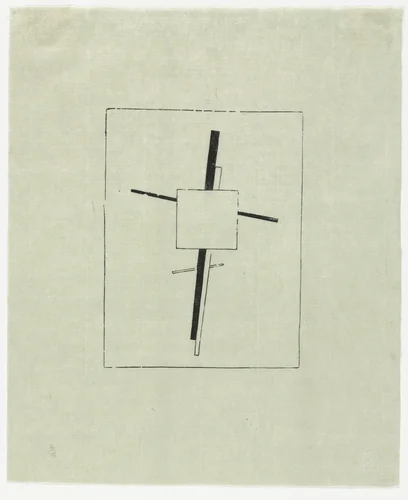
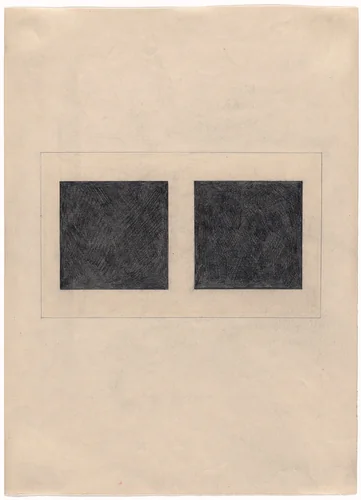
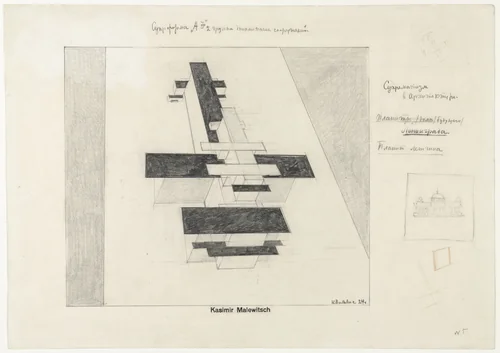
His enduring legacy rests on the development of Suprematism, a movement conceived around 1913. Suprematism represented a radical departure from established visual reality, demanding a complete rejection of objectivity, natural forms, and traditional subject matter. Malevich sought instead to access "the supremacy of pure feeling" and spirituality through the absolute zero of geometric composition. He did not merely abandon representation; he dismantled it with an intellectual rigor that remains unparalleled.
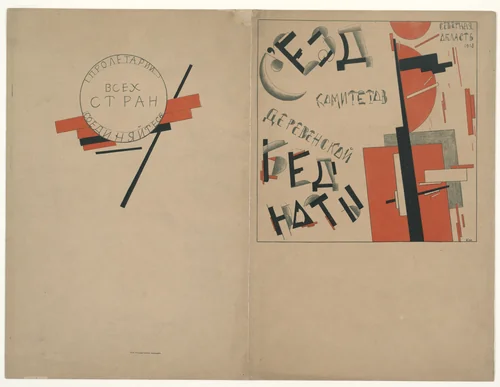
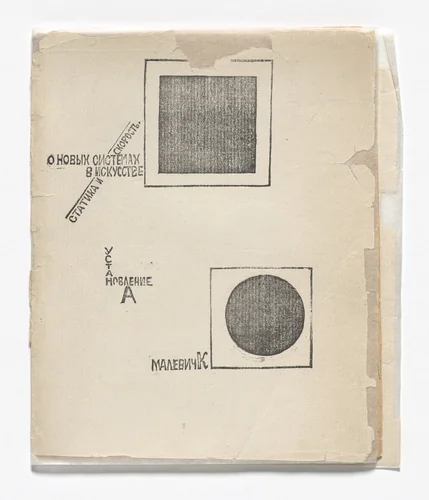
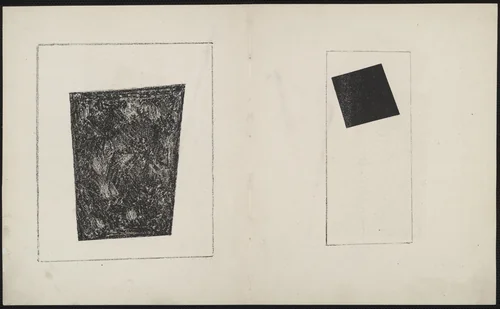
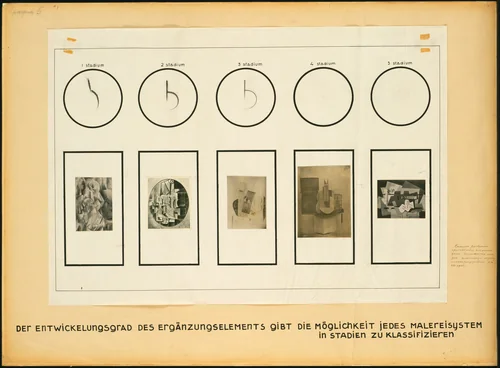
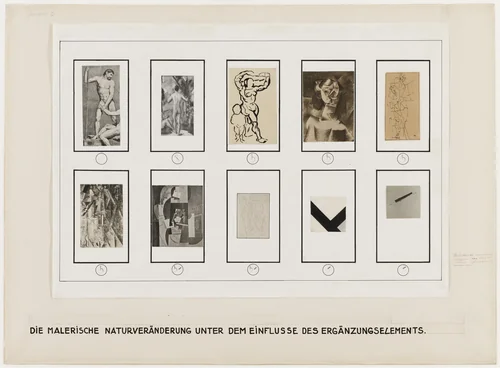
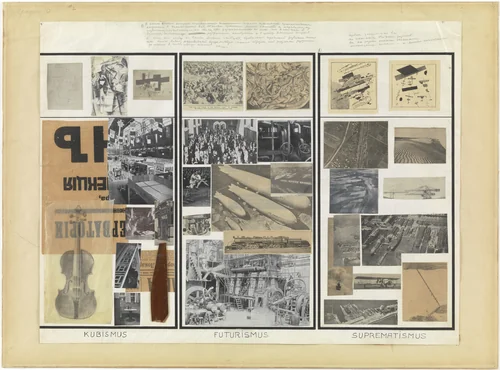
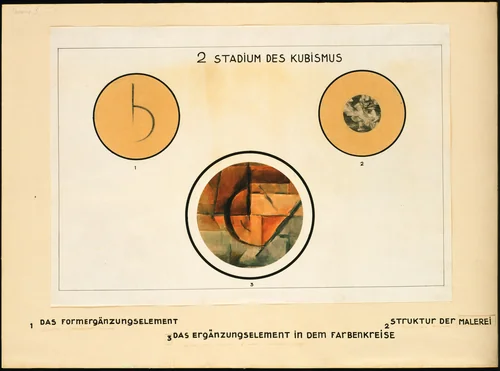
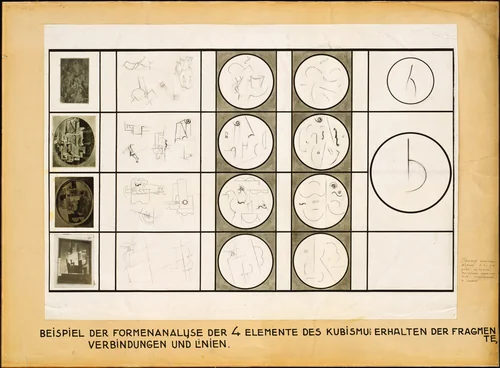
The years 1911 to 1913 saw Malevich transitioning rapidly from Post-Impressionism through Cubo-Futurism, integrating dynamic energy and complex visual structures, evidenced in works such as A Peasant Woman Goes for Water and Woman with Pails: Dynamic Arrangement. His theoretical breakthroughs were often articulated through illustrated books, including On New Systems in Art (O Novykh Sistemakh V Iskusstve), which featured important compositions like Cow and Violin and Dynamic Figure. He also contributed prints and designs for crucial literary publications, such as the back cover of Igra v adu (A Game in Hell).
Malevich's uncompromising dedication to non-representation helped define modernity. His work demanded that the viewer confront painting not as a window to the world, but as a pure experience of form and color. This conceptual breakthrough continues to inform generations of minimalists and abstract artists. Definitive examples of his artistic and theoretical output are housed in prestigious institutions, including the National Gallery of Art and the Museum of Modern Art. Fortunately, as many early Kazimir Malevich paintings and prints fall into the public domain, the public now enjoys access to high-quality prints and downloadable artwork, ensuring his radical vision remains widely studied and celebrated.
Source: Wikipedia · CC BY-SA 4.0