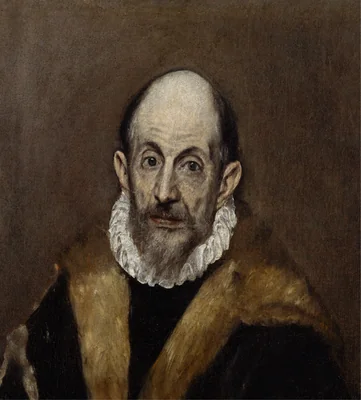
El Greco
Doménikos Theotokópoulos, known almost exclusively as El Greco (The Greek), stands as one of the most essential and profoundly original figures of the Spanish Renaissance. Active between 1565 and 1600, this Greek painter, sculptor, and architect created a distinct body of work that challenged the prevailing aesthetic norms of his era, securing his place among the greatest artists in history.
Born in Crete in 1541, the artist carried his heritage throughout his career, a subtle act of cultural declaration evident in his signature. While the moniker El Greco became universally adopted, the artist consistently signed his monumental canvases with his full birth name rendered in Greek letters, often adding the word Κρής (Cretan). This insistence on his ethnic origin, while working within the intensely Catholic and Iberian environment of Spain, highlights a fascinating dual identity that permeates his oeuvre.
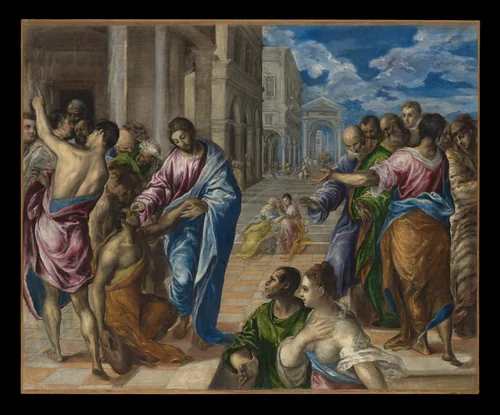
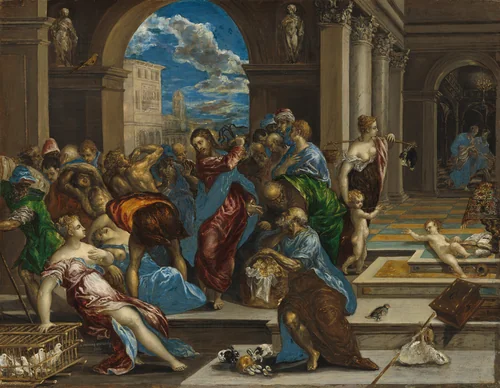
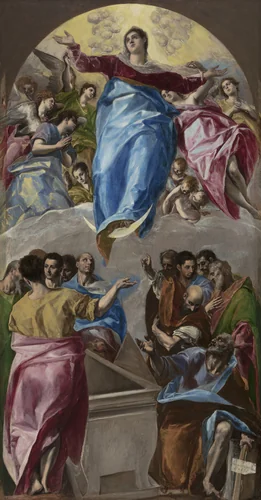
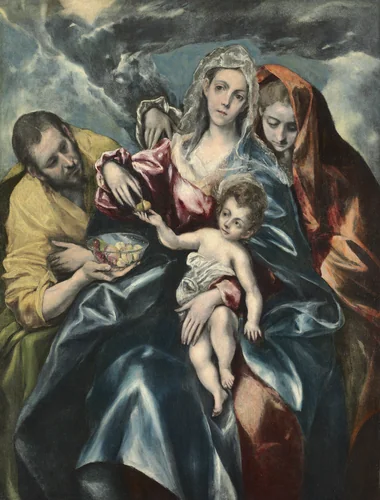
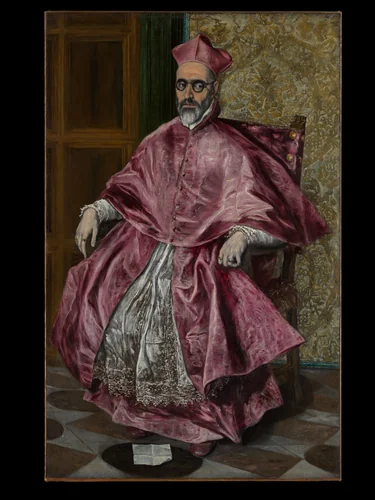
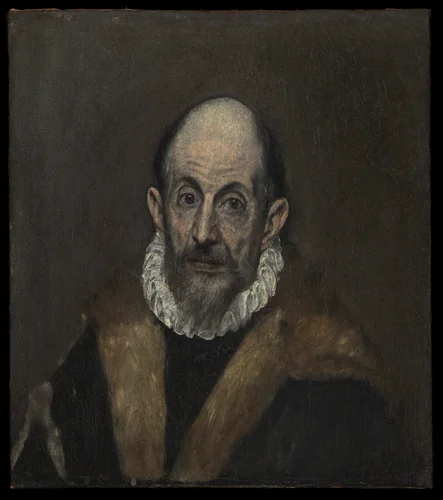
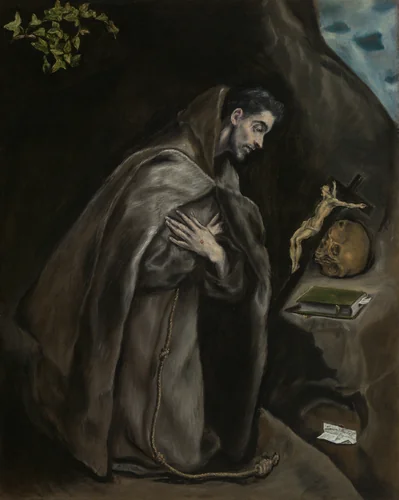
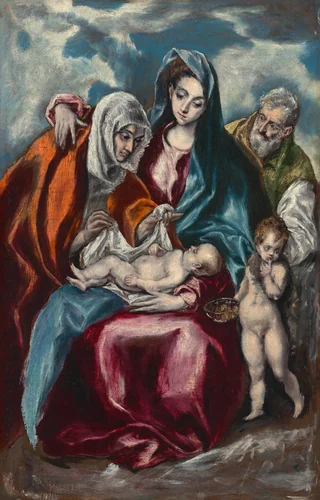
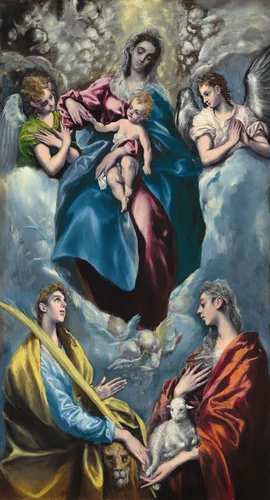
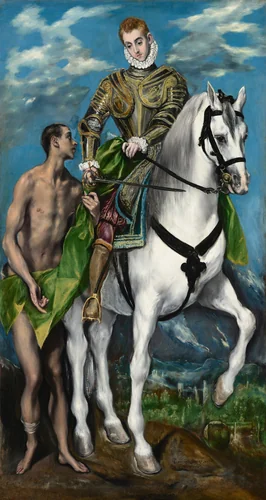
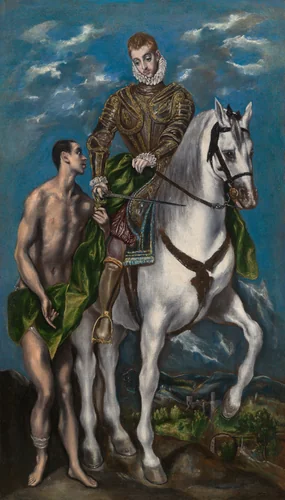
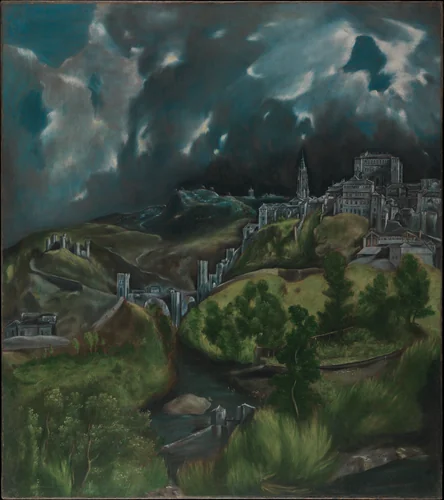
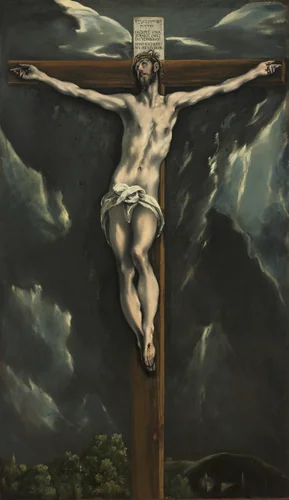
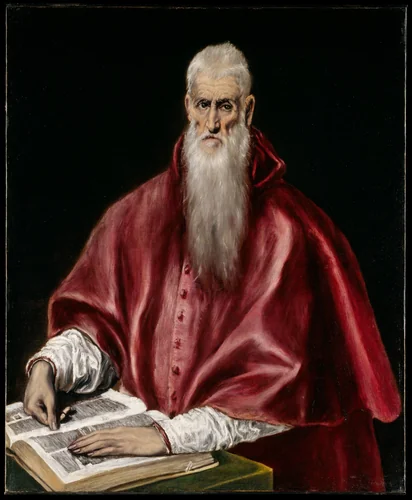
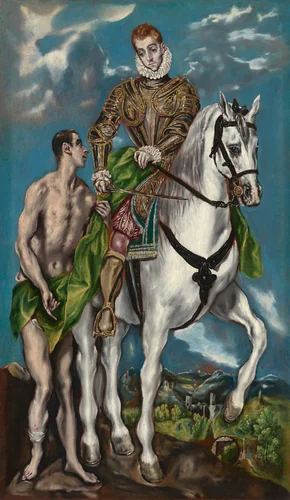
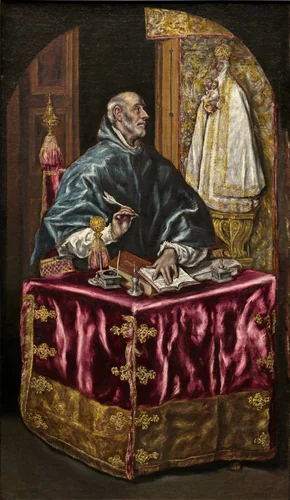
El Greco’s style is immediately recognizable for its intense, expressionistic spiritual fervor. He pioneered a dramatic visual language characterized by unnaturally elongated, often flickering figures, brilliant yet dissonant palettes, and compressed, vertical compositions. His works deviate radically from the measured classicism of the High Renaissance. Masterworks such as The Assumption of the Virgin and Christ Cleansing the Temple demonstrate his innovation, positioning him less as a strict interpreter of narrative and more as a translator of ecstatic spiritual experience.
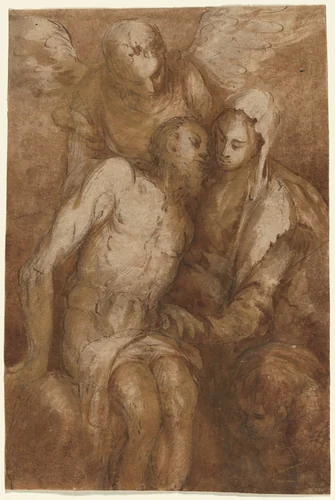
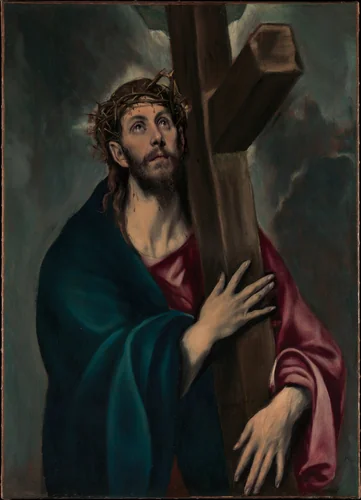
Despite a known surviving output that is relatively concise, the historical weight of his innovation is vast. Today, key El Greco paintings are preserved in major international institutions, including the Metropolitan Museum of Art, the Cleveland Museum of Art, and the National Gallery of Art. The enduring demand for his emotive pieces ensures that high-quality prints of works like Pietà and Christ Carrying the Cross remain highly sought after by students and collectors. Much of his essential work is now within the public domain, affording global access to the output of this definitive Renaissance master.
Source: Wikipedia · CC BY-SA 4.0