William Spiecker
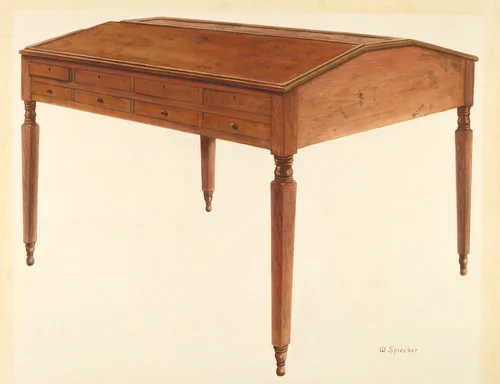
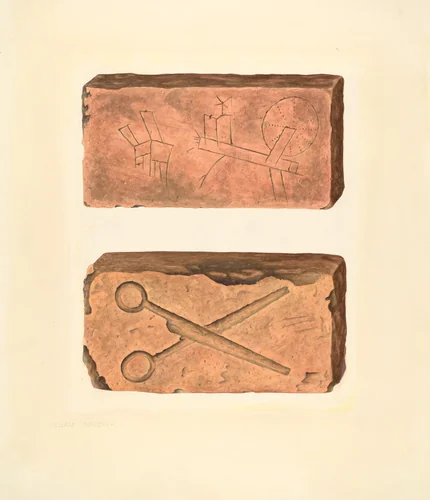
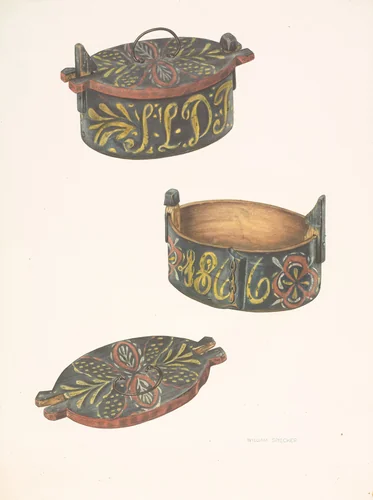
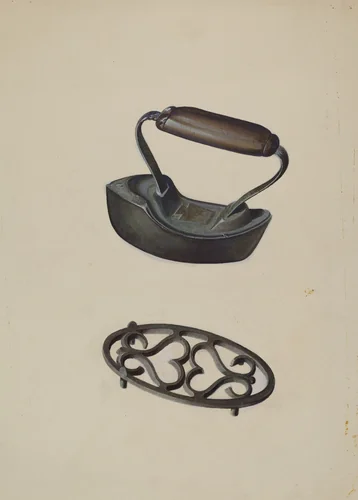
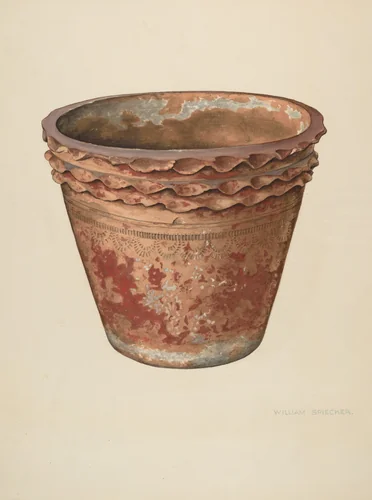
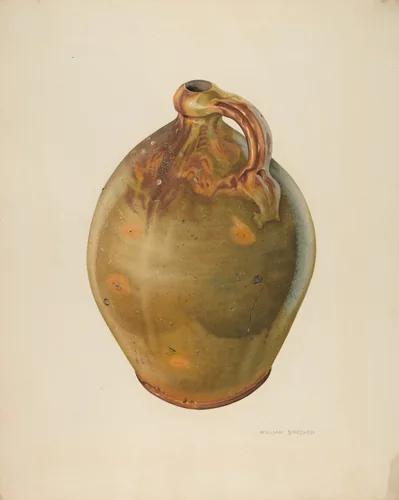
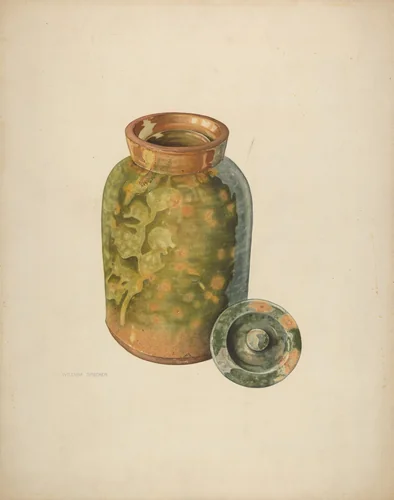
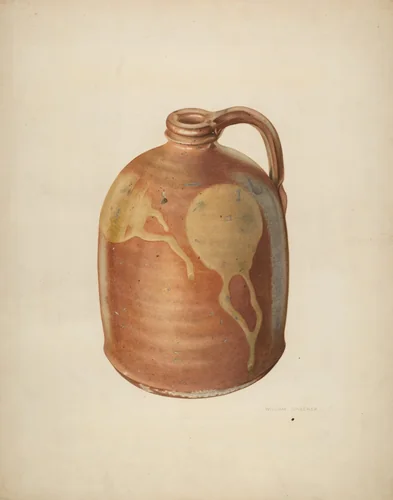
William Spiecker was an American artist active during a concentrated period in the mid-1930s, primarily documented between 1935 and 1938. His known work is entirely associated with the Index of American Designs, a landmark initiative sponsored by the Federal Art Project (FAP) established during the Great Depression. The Index aimed to create a comprehensive visual record of American folk, decorative, and industrial arts dating from the colonial period through the 19th century.
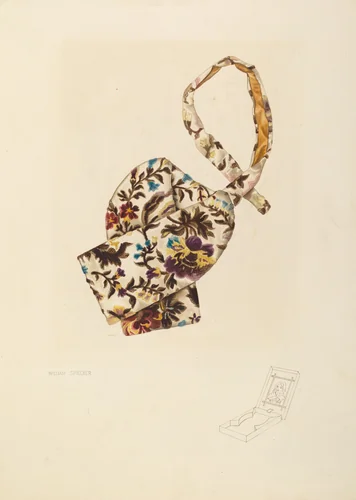
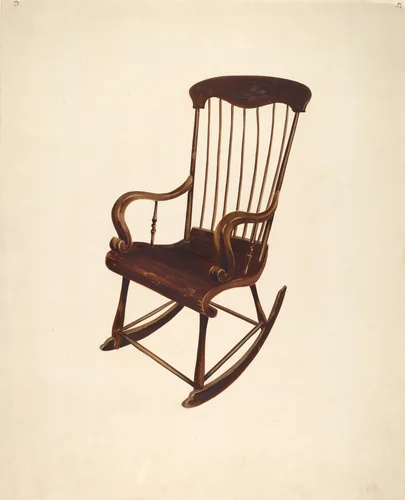
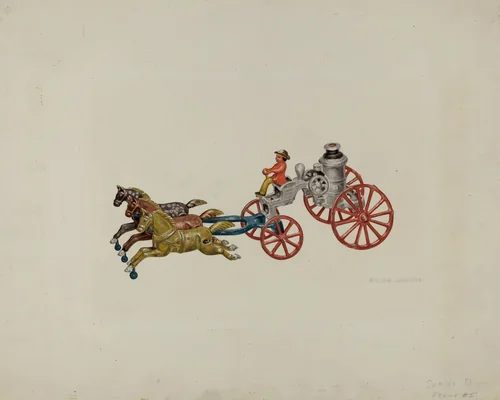
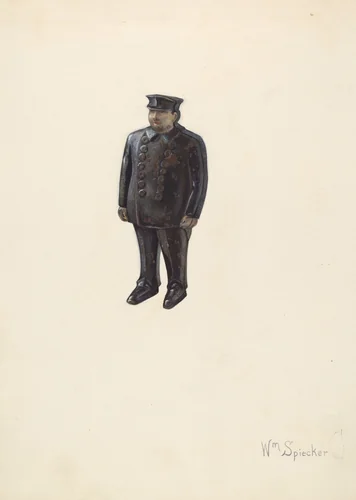
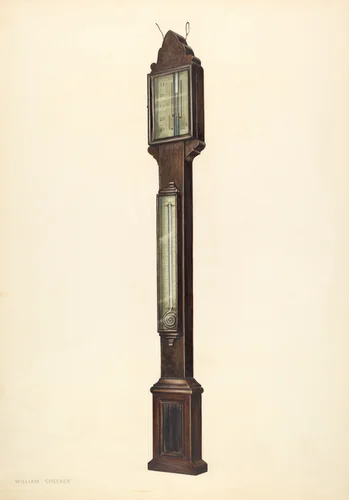
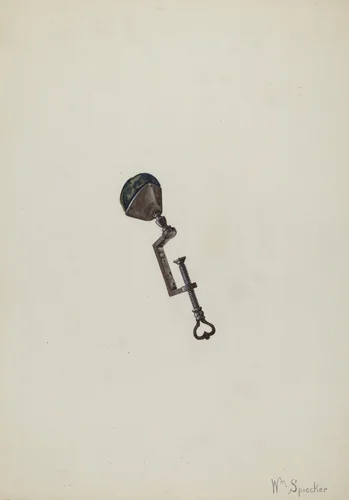
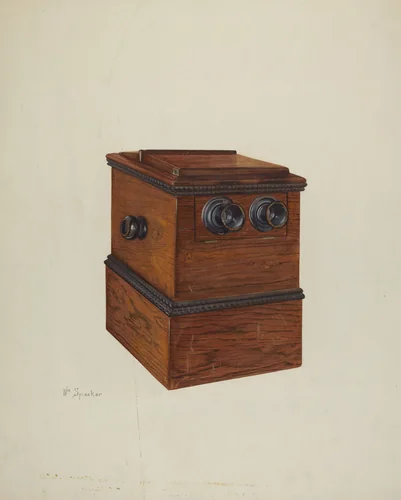
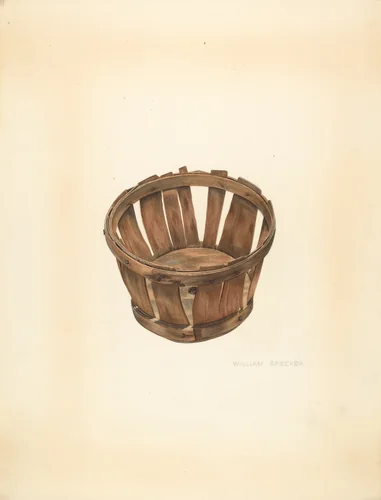
Spiecker’s contribution focused on the meticulous rendering of specific material culture objects. Fifteen such documentation prints are indexed under his name, illustrating his skill in capturing the detail necessary for high-quality representation of historical artifacts. His known subjects include both domestic furnishings and unique cultural items, such as the Rocking Chair: Bishop Hill, the Barometer, and detailed renderings of toys and commercial artifacts like the Toy Fire Engine, Bank: Policeman, and Cravat and Box.
This body of work is preserved in major institutions, with William Spiecker prints represented in the collections of the National Gallery of Art. Because these drawings and prints were created under a federal initiative, much of the documented output is now available in the public domain, offering wide access to these historical design records. Researchers and enthusiasts can often find downloadable artwork derived from his precise drawings for the Index.