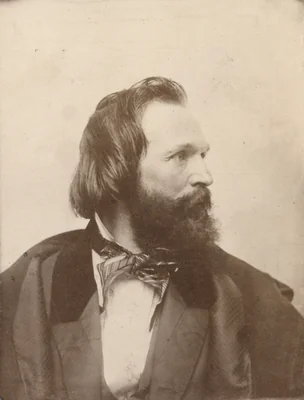
William Sidney Mount
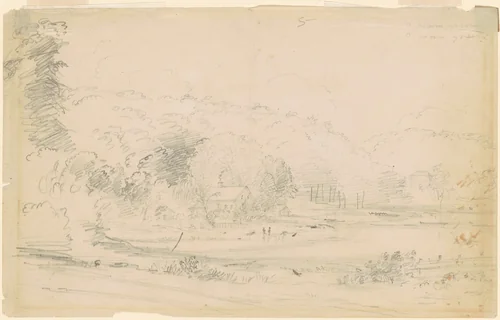
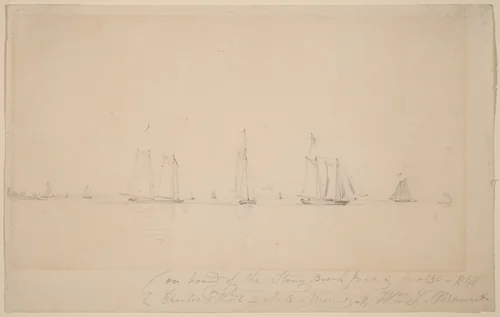
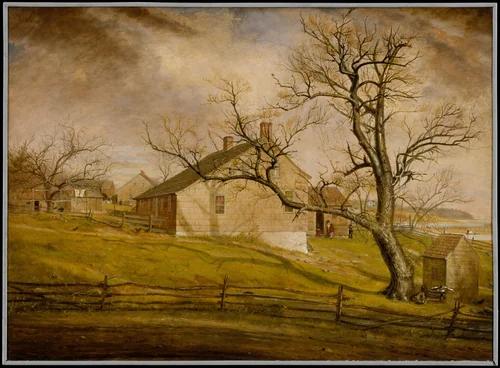
William Sidney Mount (1807-1868) holds a pivotal position in 19th-century American art history as the nation’s first native-born specialist in genre painting. Based primarily in his native Setauket and the adjacent village of Stony Brook on Long Island, New York, Mount established a rigorous artistic practice dedicated to depicting the daily interactions and specific customs of rural life. Operating from the 1820s until his death, his visual output provided an intimate, detailed, and often humorous chronicle of local agrarian society.
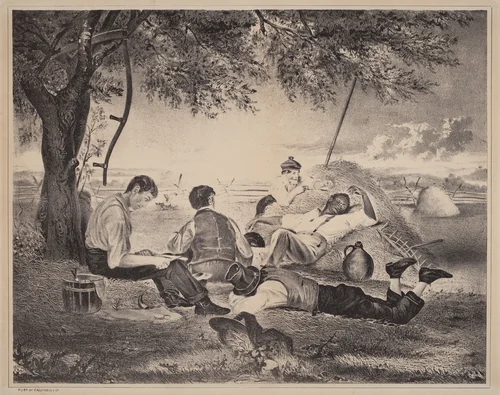
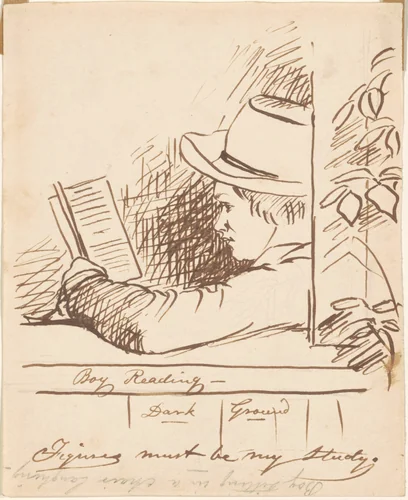
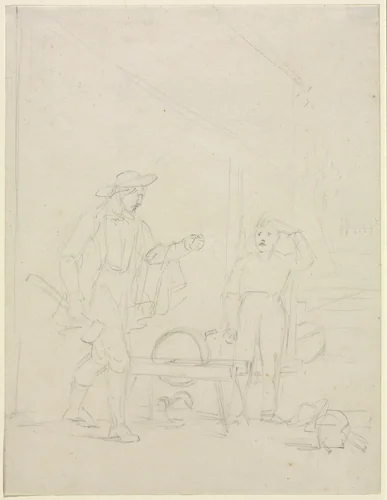
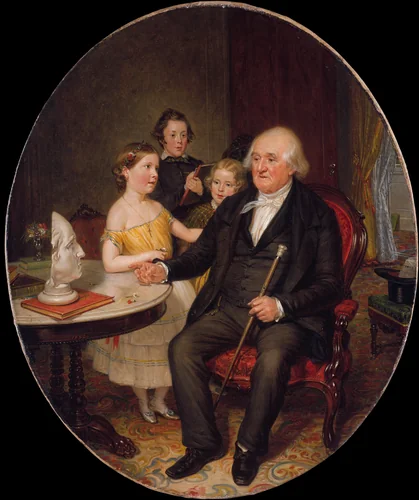
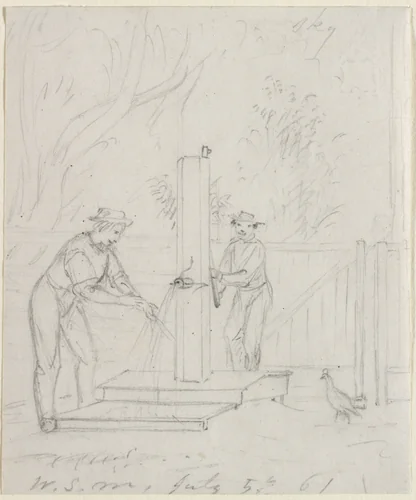
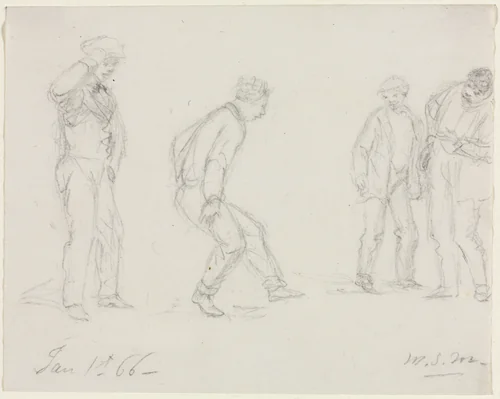
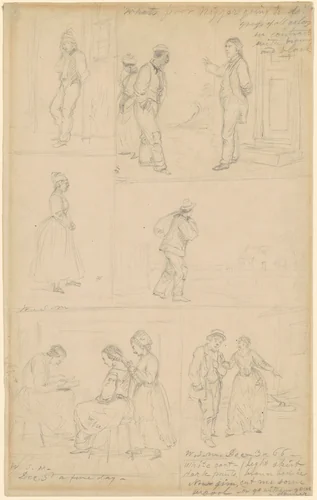
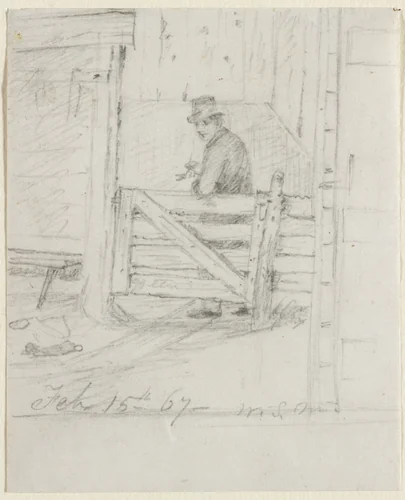
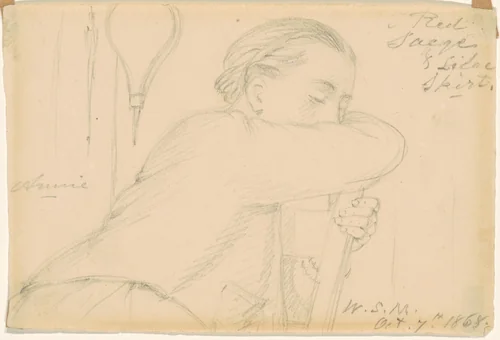
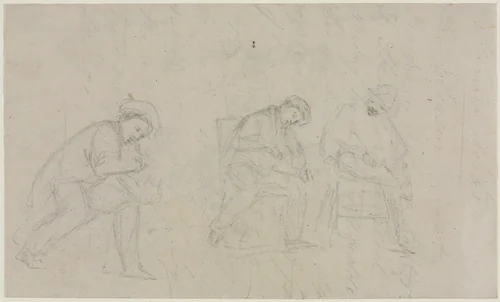
His canvases and extensive drawings capture nuanced scenes ranging from focused portraits to large compositions featuring dance, commerce, and music. Works such as Grinding the Axe demonstrate his interest in focused narratives and the quiet dramas of labor, executed with a keen eye for light and environment. The specificity of his regional focus paradoxically fueled his broader appeal; by the 1840s, Mount had achieved notable recognition both domestically and across Europe for his fidelity to distinct American vernacular themes. Today, many of his drawings, including the study Man Smoking a Pipe, are highly valued, and their availability as high-quality prints allows for scholarly access worldwide.
Mount’s enduring significance lies in his commitment to the genre tradition—the depiction of ordinary people engaged in ordinary activities—at a time when American artists were still largely preoccupied with history painting or idealized portraiture. He successfully formalized the presentation of American regional culture, influencing subsequent generations of realist painters. His consistent and significant body of work is preserved today in major institutional holdings, including the Cleveland Museum of Art, the Art Institute of Chicago, and the Metropolitan Museum of Art, cementing their museum-quality status.
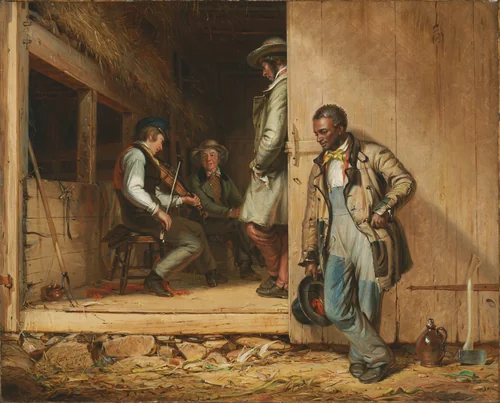
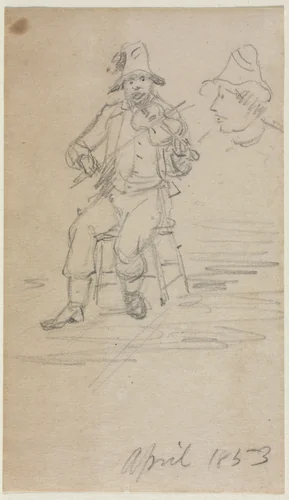
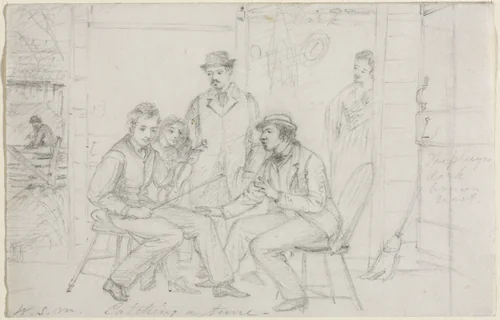
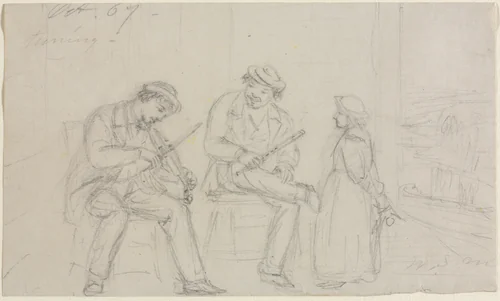
Beyond the easel, Mount possessed a profound passion for sound. An active fiddle player and collector of sheet music, he frequently featured musicians prominently in his finished William Sidney Mount paintings. He was, in fact, so invested in the mechanics of sound reproduction that he designed and patented several versions of his own violin, perhaps the most colorfully named being the "Cradle of Harmony." This artistic cross-pollination adds a rich layer of inventive curiosity to the identity of the pioneering genre artist.
Source: Wikipedia · CC BY-SA 4.0