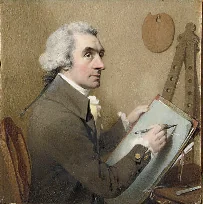
William Pether
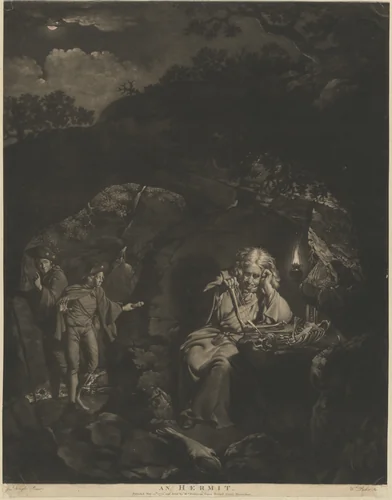
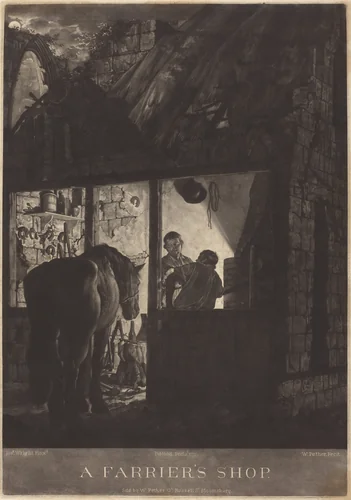
William Pether (active 1741-1775) stands as one of the preeminent English practitioners of mezzotint engraving during the Georgian period. His technical mastery of this demanding tonal process allowed him to reproduce the effects of oil painting with remarkable fidelity, securing his reputation as a skilled interpreter of complex light and shadow within the highly competitive London print market.
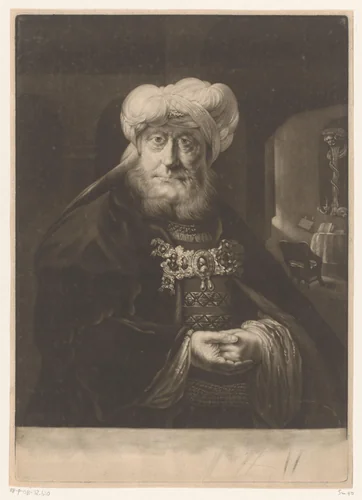
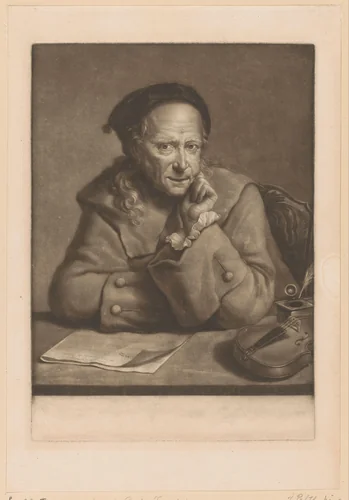
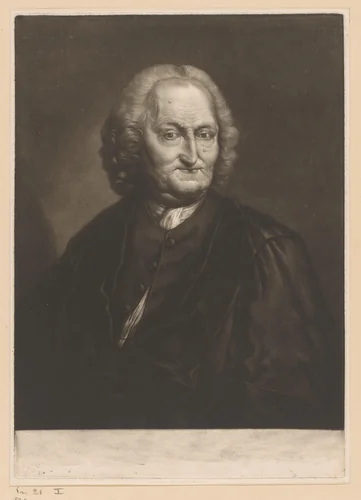
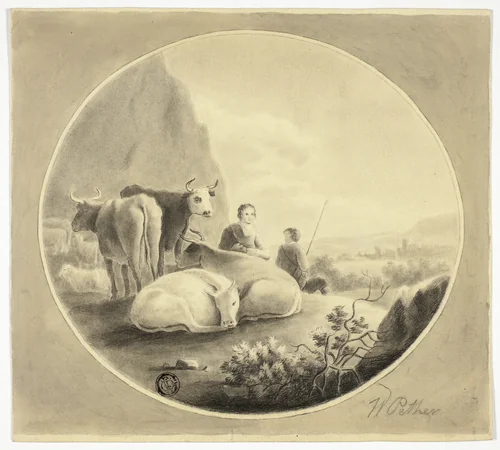
While primarily known for the creation of high-quality prints, Pether maintained a surprisingly diverse creative output. His portfolio included original oil paintings, delicate pastel drawings, and specialized work decorating porcelain. His surviving oeuvre showcases historical and portrait subjects, such as the compelling interpretation of biblical narrative, Koning Uzziah geteisterd door melaatsheid, and the formal likeness, Portret van Tiberius Hemsterhuis. His subject matter also extended to generalized genre scenes, exemplified by the detailed depiction Herdsmen, Cows and Sheep in Landscape.
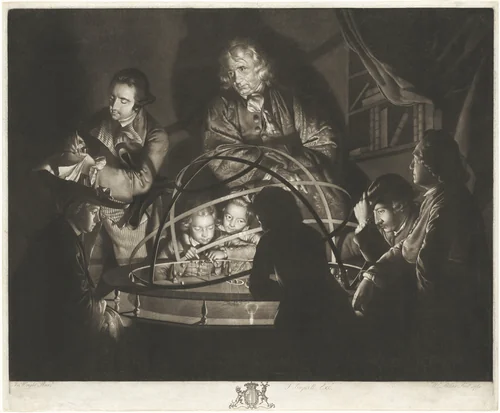
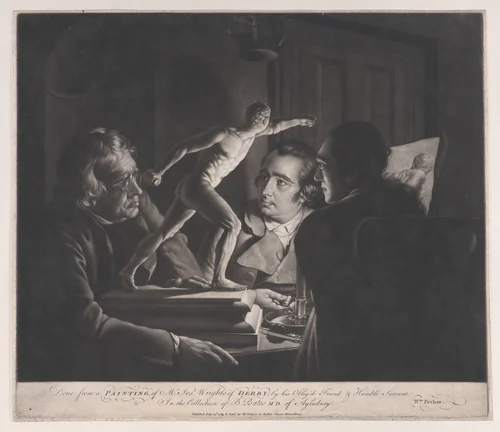
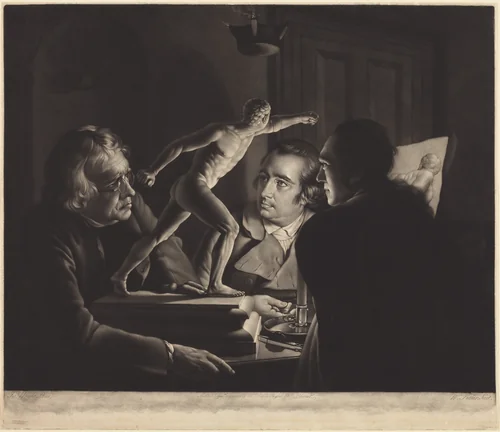
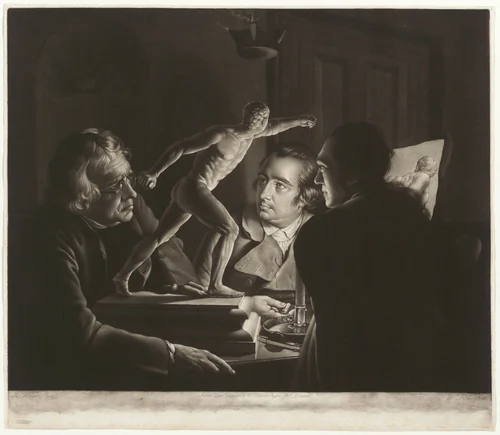
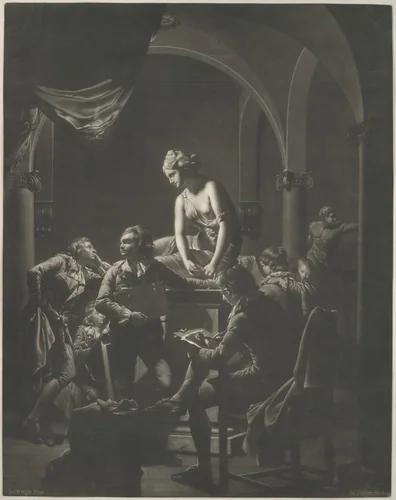
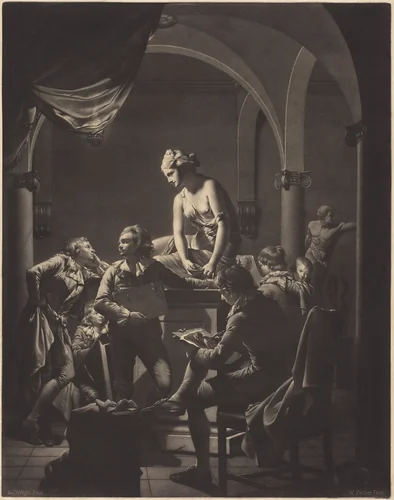
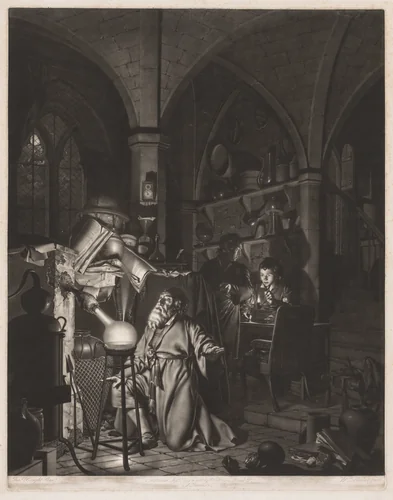
Pether is perhaps most widely recognized today for his reproductive engravings derived from the paintings of his contemporaries, artists whose influence he was crucial in disseminating. Chief among these is his celebrated mezzotint based on Joseph Wright of Derby’s scientific masterpiece, A Philosopher Giving a Lecture on the Orrery. The mezzotint medium was perfectly suited to capturing the dramatic chiaroscuro and revolutionary use of single-source illumination that defined Wright’s work, effectively transferring these influential images to a broader European audience in the form of accessible William Pether prints.
It is worth noting that Pether was not solely confined to the visual arts; beyond his established artistic output, he also harbored an abiding interest in practical innovation, often inventing small gadgets. This minor, yet telling, detail underscores the fundamentally technical, problem-solving mindset he brought to the exacting science of engraving. Pether’s detailed and exacting technique established a high standard for museum-quality reproductive work. Though his active period was relatively brief, his artistic legacy is preserved in major international repositories, including the National Gallery of Art and the Cleveland Museum of Art. Fortunately, many of his works have transitioned into the public domain, making downloadable artwork widely available for study and appreciation today.
Source: Wikipedia · CC BY-SA 4.0