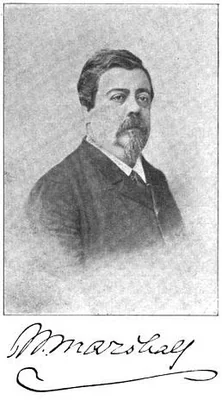
William Marshall
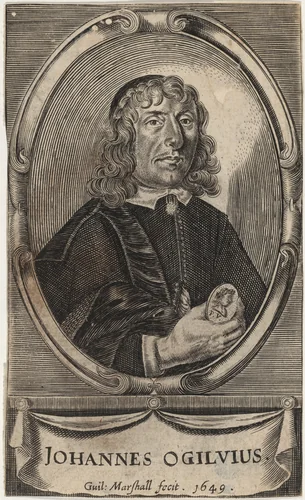
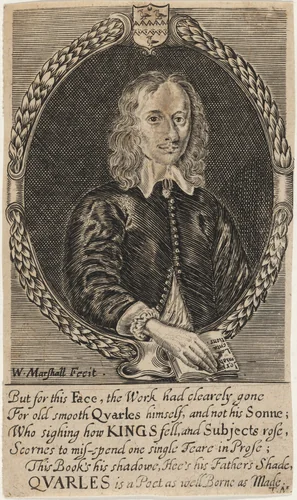
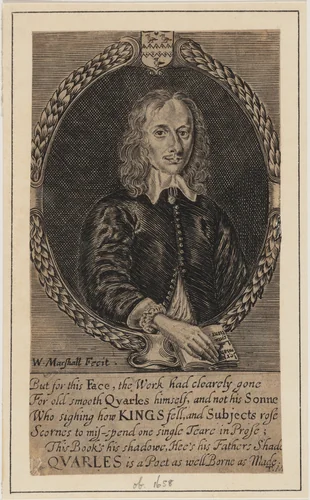
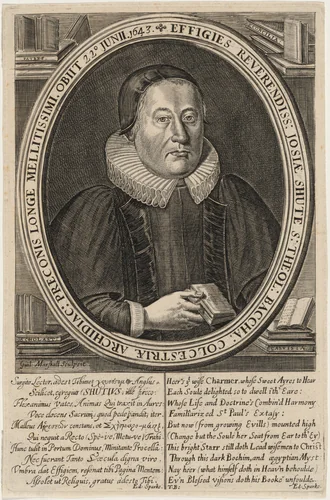
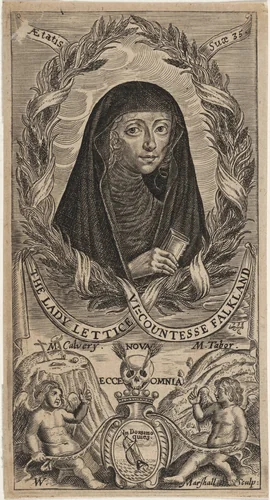
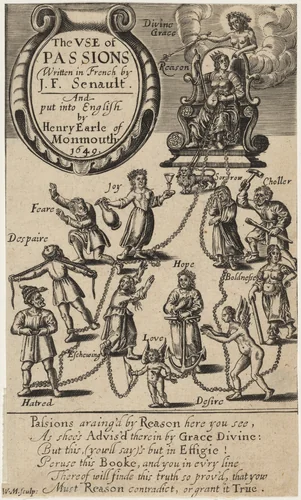
The English graphic arts of the late sixteenth and early seventeenth centuries owe a significant debt to the output of William Marshall, a technically adept engraver active around 1569. Known primarily for his meticulous portraiture, Marshall’s oeuvre provides a vital visual register of influential ecclesiastical and aristocratic figures navigating the religious and political shifts of the early modern era. His technical skill allowed for the widespread dissemination of images, which was essential during a period when painted portraits were largely exclusive to private or royal collections.
Marshall specialized almost exclusively in copperplate engraving, a challenging medium that required both precision and speed. Although only about fifteen prints are definitively attributed to him, these works are highly prized for their historical insight and often functioned as frontispieces for contemporary publications. Among his notable sitters were luminaries such as Charles I, whose portrait remains a key reference point for the monarch’s early public image, and the detailed likenesses of the religious scholar Daniel Featly, age 65, and the influential courtier Edward, Lord Lyttelton of Mounslow. His careful rendering of the nobility, including Elizabeth Stanley, Countess of Huntingdon, and Henry Cary, demonstrates a commitment to capturing both official status and individual temperament, preserving key elements of period fashion and posture.
The scarcity of Marshall’s documented activity after 1569 leaves art historians with frustratingly few details regarding his working practice or personal life; he is, in many ways, an enigmatic figure of the English print scene. Despite this limited record, his enduring legacy is confirmed by the preservation of his images in leading institutions, notably the National Gallery of Art. Because of their age and institutional custody, many of Marshall’s historical portraits are now in the public domain, allowing scholars and enthusiasts worldwide to access high-quality prints. These detailed visual documents remain invaluable primary source material for understanding the visual culture of early modern England, easily accessible as downloadable artwork.