William Leighton Leitch
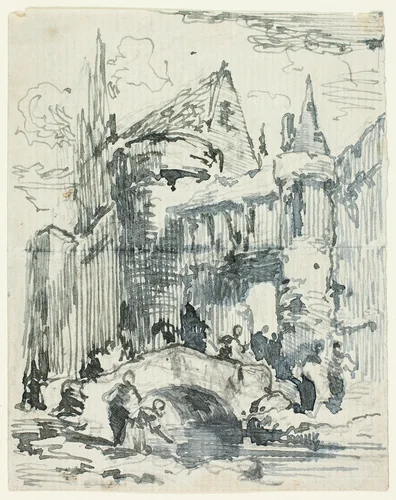
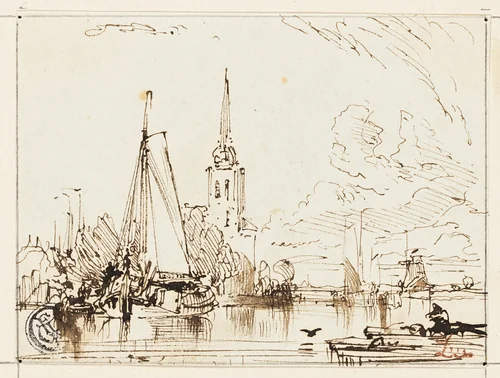
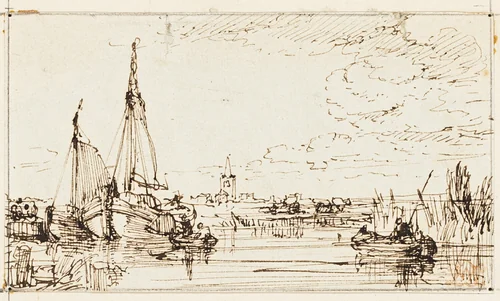
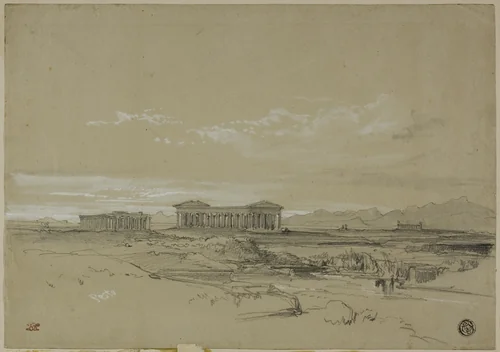
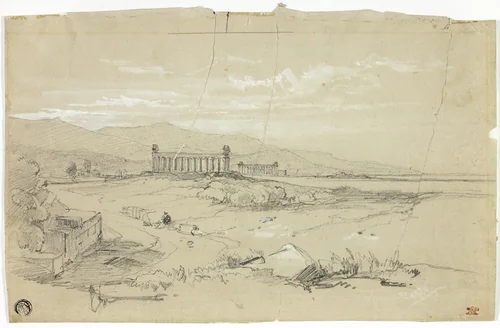
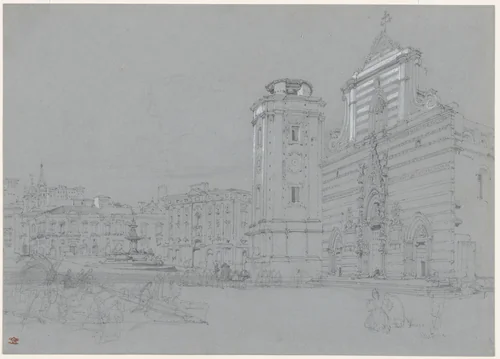
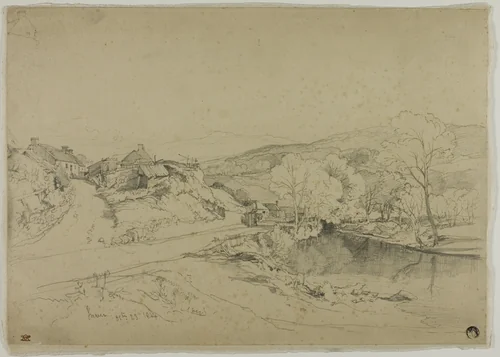
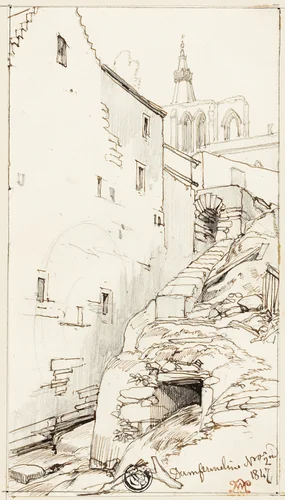
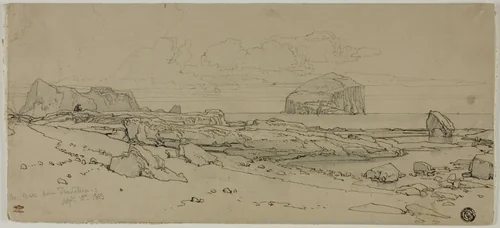
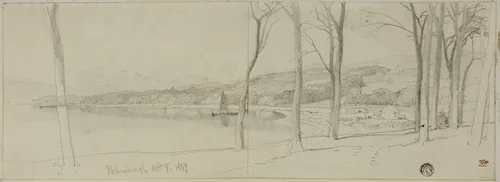
William Leighton Leitch (1804-1883) stands as one of the most significant figures in nineteenth-century British landscape painting, dominating the exacting medium of watercolour. A Scottish artist by origin, his career flourished in London, where his mastery of light, atmospheric effects, and topographical detail earned him unparalleled institutional recognition. Leitch’s highly resolved compositions, such as the evocative Town Bridge and Portal and the serene river views like On the Thames, demonstrate the technical sophistication that established his reputation among the era's elite collectors. The continued presence of his drawings and William Leighton Leitch paintings in major permanent collections, including the Rijksmuseum, the Metropolitan Museum of Art, and the Art Institute of Chicago, confirms his enduring status as a museum-quality draughtsman.
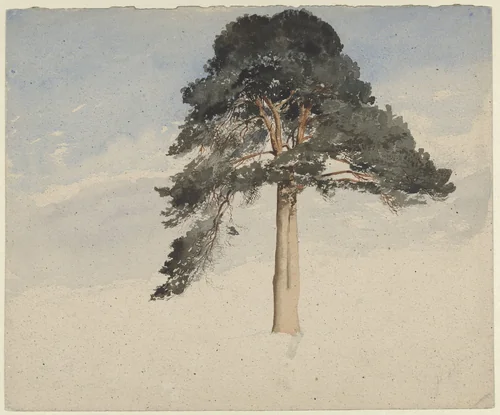
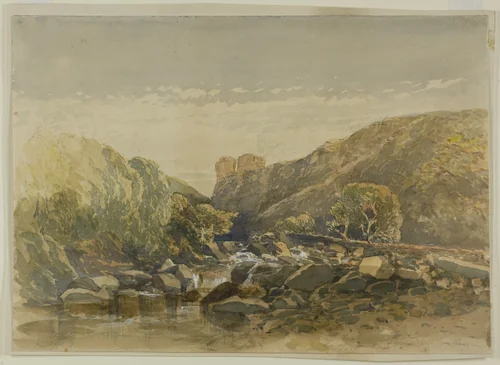
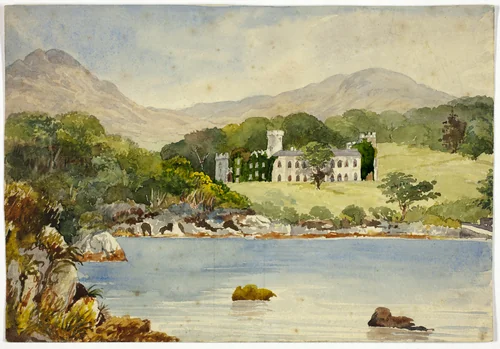
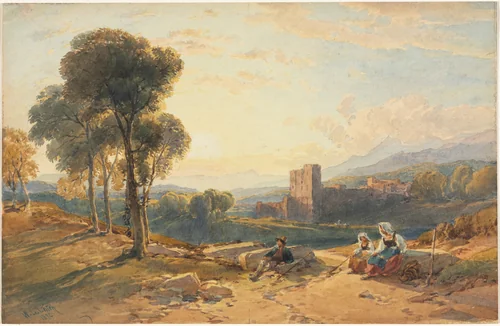
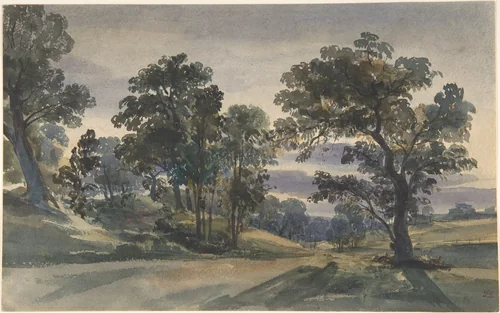
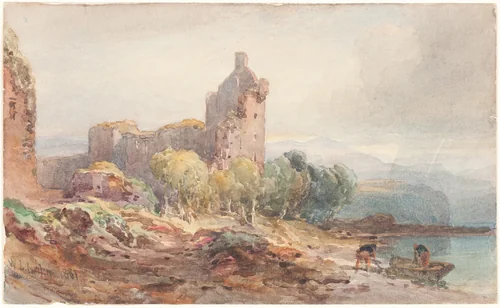
Leitch was fundamentally a master Scottish landscape watercolour painter and illustrator, a title confirmed by the impressive longevity of his active period, spanning nearly six decades from 1814 until 1869. He specialized in rendering natural forms with precision, often utilizing the delicate washes and transparent layering crucial to the success of the watercolour medium. While often associated with dramatic highland views, exemplified by works like Schotse dennenboom (Scottish Pine Tree), his output was geographically expansive, ranging from intimate British topographical views like Hanley Castle to the broader European vistas favored by his contemporaries.
His proficiency was recognized both academically and royally. For twenty-two years, Leitch served as Drawing Master to Queen Victoria, guiding the monarch’s artistic development through a curriculum that demanded both observational skill and refined technique. It speaks volumes about the artist’s diplomatic capabilities and pedagogical effectiveness that he retained this demanding court position for over two decades. Simultaneously, his professional leadership within the art world was unchallenged; he served for an equal tenure of twenty years as Vice President of the influential Royal Institute of Painters in Watercolours on Pall Mall. His legacy today is widely accessible, as much of his work, due to its historical timeframe, has entered the public domain, offering opportunities for those seeking high-quality prints and downloadable artwork for personal appreciation or study.
Source: Wikipedia · CC BY-SA 4.0