William Holman Hunt
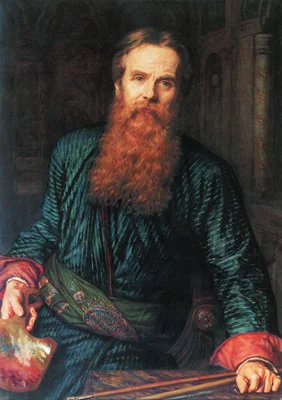
William Holman Hunt was a pivotal figure in nineteenth-century British art, celebrated as one of the three co-founders of the Pre-Raphaelite Brotherhood. Of all the original members, Hunt maintained the greatest fidelity to the movement's foundational tenets throughout his lengthy career, serving as the philosophical anchor for the group’s rigorous aesthetic principles.
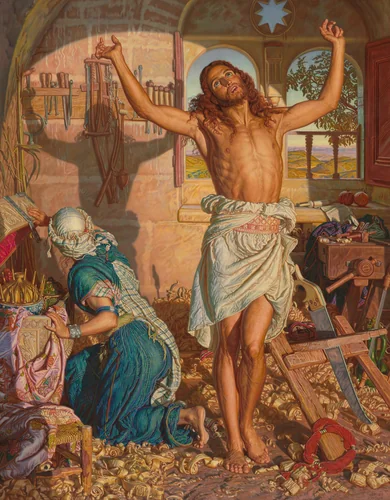
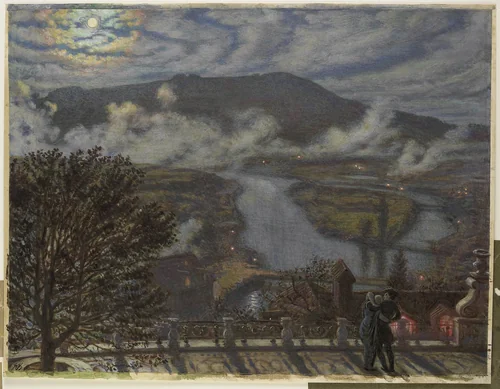
His paintings are characterized by an almost forensic attention to detail, a saturated, jewel-like palette, and deeply complex religious and ethical symbolism. This intense visual approach was rooted in the philosophical theories of John Ruskin and Thomas Carlyle, who argued that the observable world constituted a readable system of visual signs. For Hunt, the artist’s solemn duty was to meticulously decode and reveal the essential correspondence between the observable fact and the underlying spiritual reality.
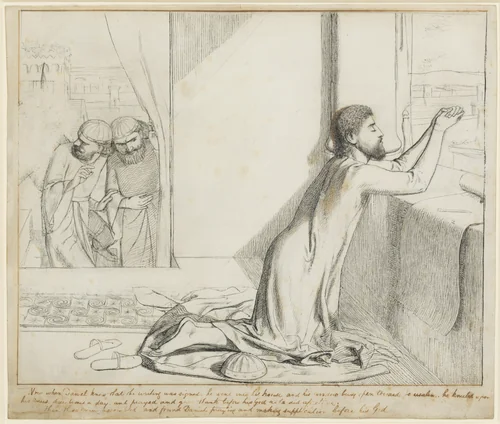
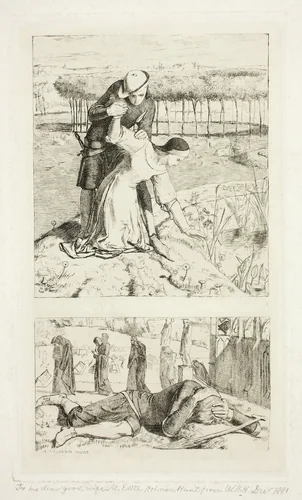
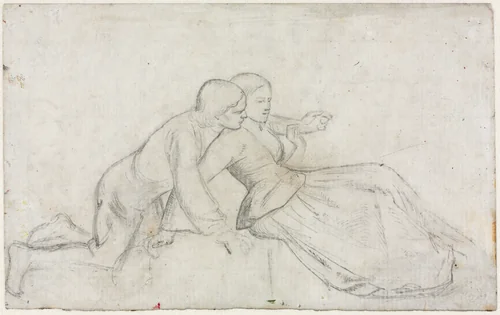
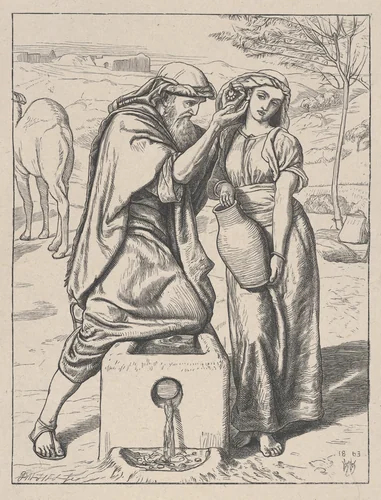
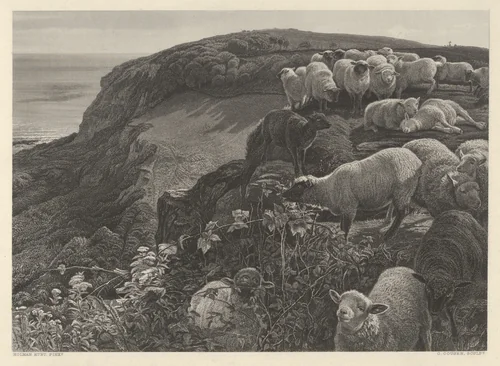
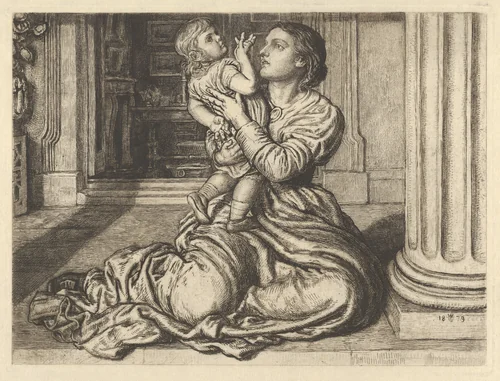
Unlike many of his contemporaries who retreated into purely aesthetic pursuits, Hunt was intensely focused on maximizing both the popular appeal and the public visibility of his major William Holman Hunt paintings. This commercial ambition sometimes led him to display single canvases with substantial fanfare, treating the artwork almost as a theatrical event engineered for maximum public discourse. Studies such as Study for "The Hireling Shepherd" reveal the rigorous preparation required to achieve this signature pictorial complexity and fidelity to nature. His commitment to illustrative clarity extended across media, including influential graphic works such as his drawing Daniel Praying and the wood engraving Eliezer and Rebekah at the Well, published in Dalziels' Bible Gallery.
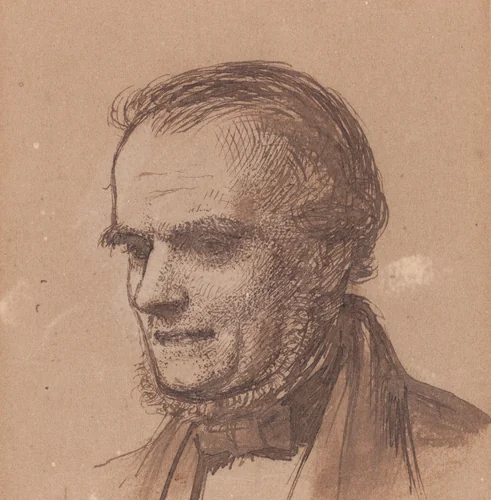
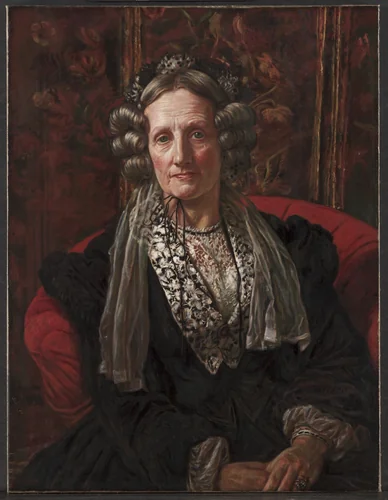
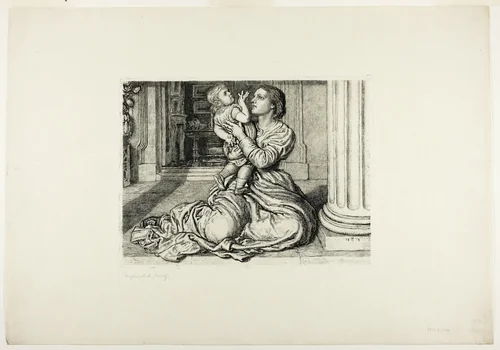
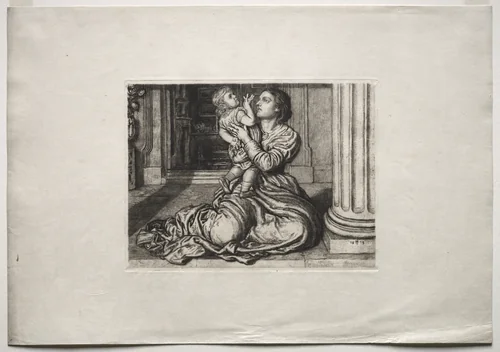
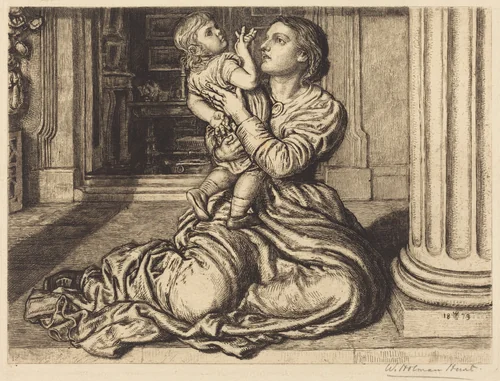
Hunt’s unwavering dedication ensured that the highly moral and precise vision of the Pre-Raphaelite Brotherhood endured long after the group’s initial collaborations ceased. His prolific output, spanning allegories and portraits like The Artist's Father, William Hunt, continues to draw scholarly attention globally. Today, significant examples of his drawings and prints are held in prestigious collections, including the Art Institute of Chicago and the National Gallery of Art. Thanks to institutional preservation efforts, many of these key works are available as downloadable artwork in the public domain, allowing new generations to examine the intricate symbolism and technical mastery of this defining Victorian artist.
Source: Wikipedia · CC BY-SA 4.0