William Hole
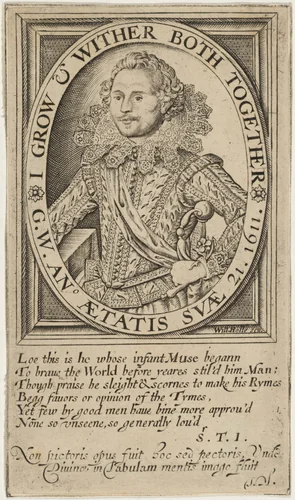
William Hole, the English engraver active during the late Elizabethan and early Jacobean periods, established a distinguished career specializing in high-quality portraiture and complex literary frontispieces for the rapidly expanding English publishing market. Active from approximately 1587 to 1623, Hole’s works provided crucial visual documentation of the intellectual and political currents defining the era, securing his place as one of the most significant figures in early seventeenth-century English printmaking.
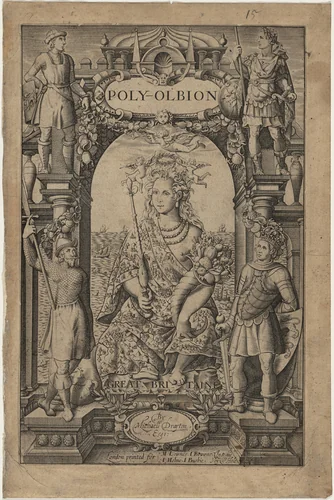
Hole’s technical precision was employed across various projects, from solemn commemorative pieces to foundational literary texts. His output includes the elaborate Frontispiece to Drayton's Poly-olbion, a sophisticated visualization required for Michael Drayton’s ambitious topographical poem. Such complex commissions required not only technical skill in handling copper plates but also a deep understanding of allegorical iconography, allowing the engraver to translate abstract literary concepts into discernible images for the public.
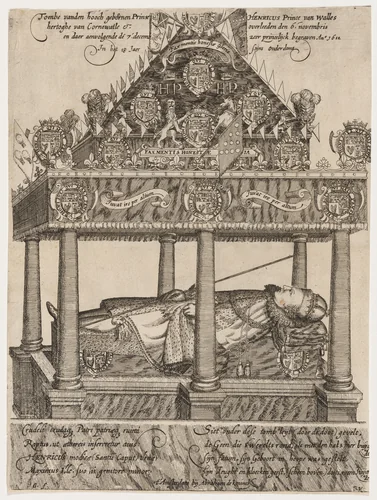
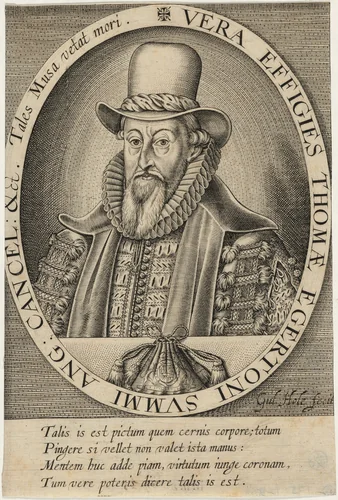
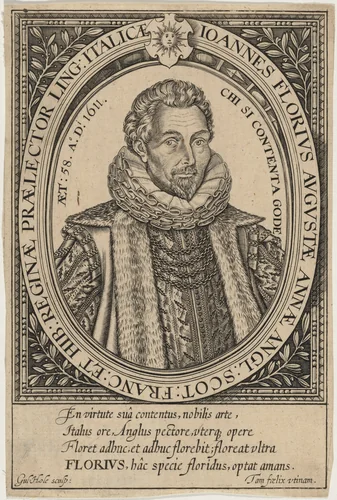
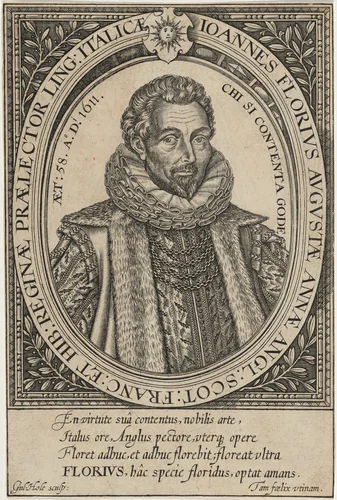
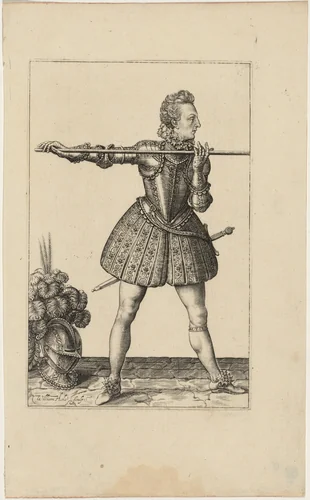
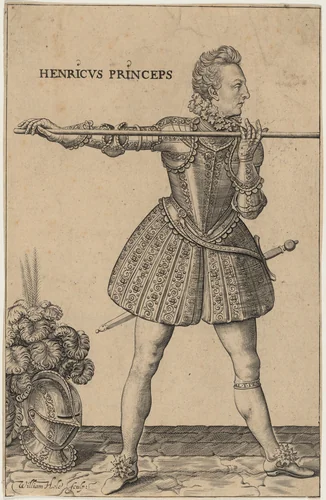
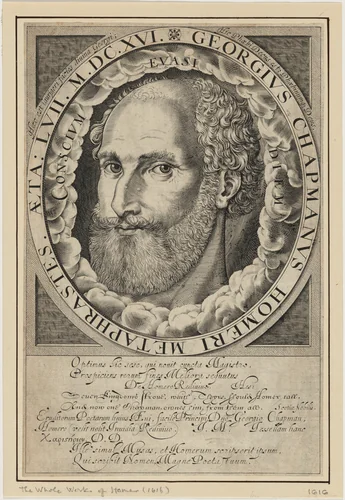
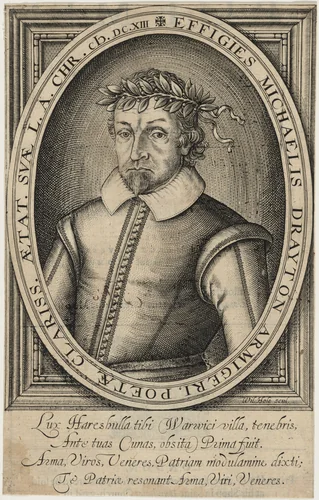
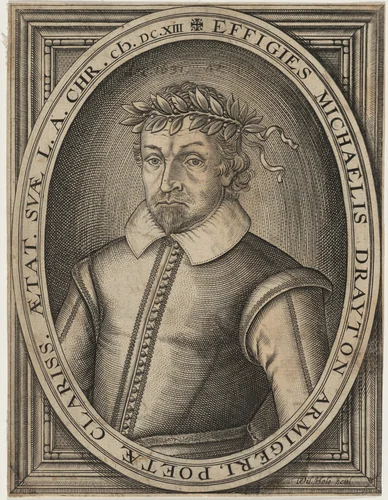
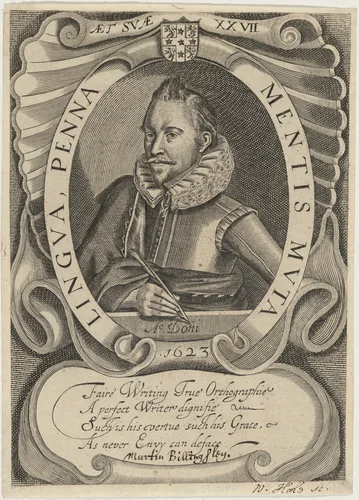
Beyond his contributions to literature, Hole was instrumental in circulating the likenesses of major contemporaries. Notable examples include his detailed engraved portraits of Sir Francis Bacon, and the recurring studies of the lexicographer and scholar John Florio. These portrait plates served as early forms of public introduction, often bound into the front matter of the subject’s collected works. Another historically significant work, Prince Henry's Hearse, demonstrates Hole’s capability in documentary printmaking, capturing important elements of courtly mourning and ceremony.
His works, such as those held in the collections of the National Gallery of Art, reveal a consistent, meticulous style that prioritizes clarity and formal representation. Given the challenges of creating durable images during this period, Hole’s dedication to detail ensures the survival of these visual records. While the texts he illustrated sometimes drift from common memory, his engravings remain. Today, this valuable artistic heritage is widely accessible; his compositions are often found as downloadable artwork, providing historians and artists alike with royalty-free access to these rare historical documents.