William Henry Fox Talbot
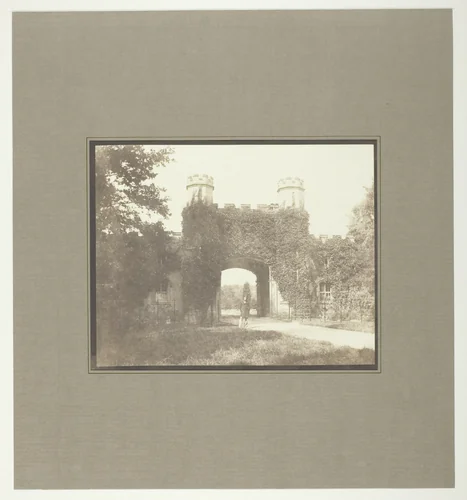
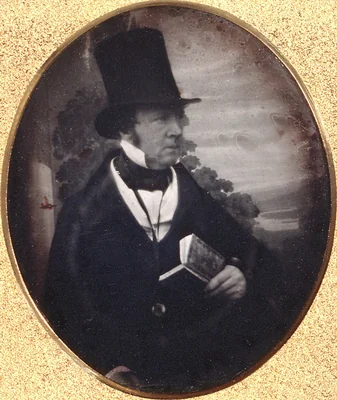
William Henry Fox Talbot (1800-1877) stands as a foundational figure in the history of image making, bridging scientific inquiry and artistic representation. This English scientist and inventor is credited with developing the first successful negative-positive photographic methods: the salted paper and the subsequent calotype processes. These innovations, operational in the 1830s and 1840s, provided the essential structural basis for virtually all photographic technologies throughout the later nineteenth and twentieth centuries, fundamentally shifting the medium from unique chemical registrations to infinitely reproducible images.
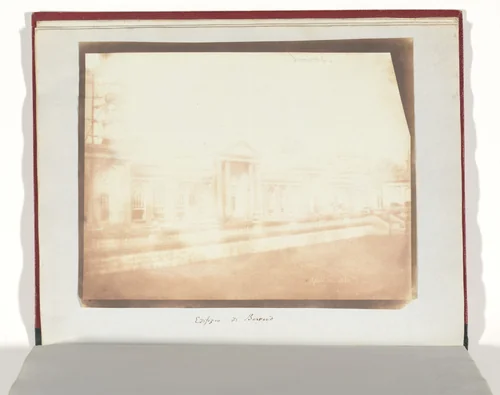
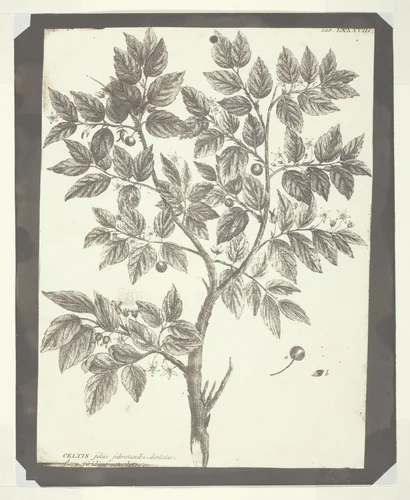
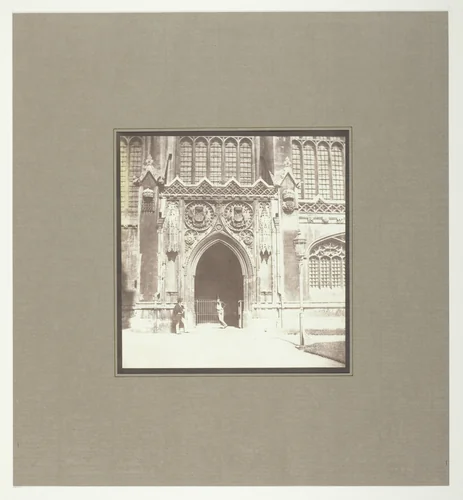
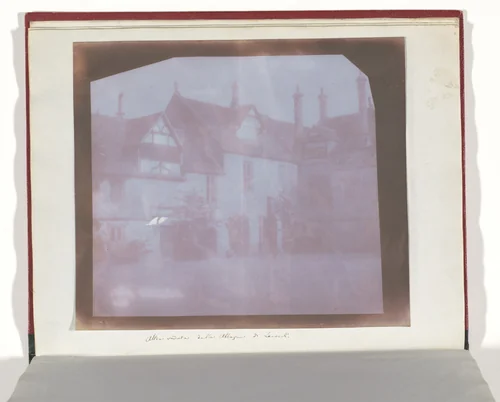
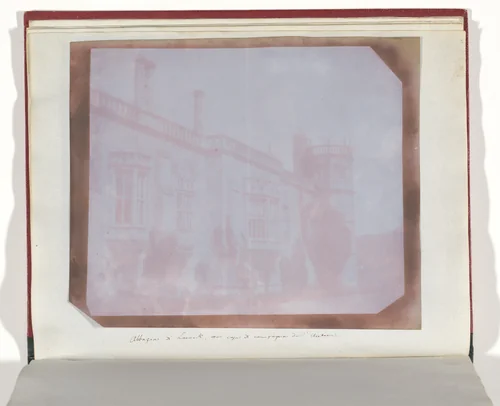
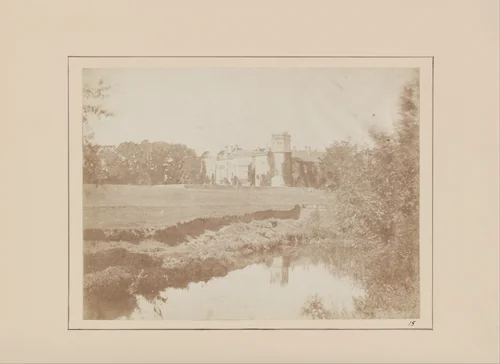
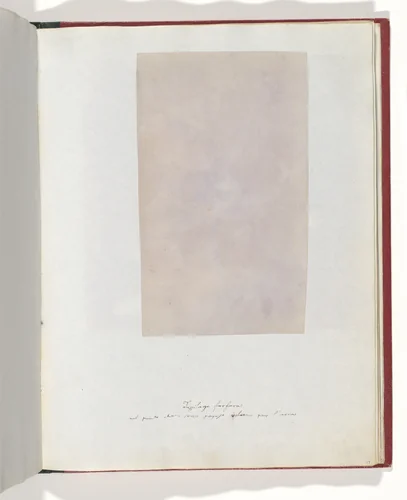
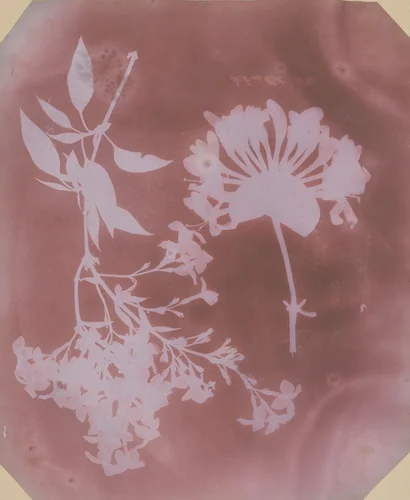
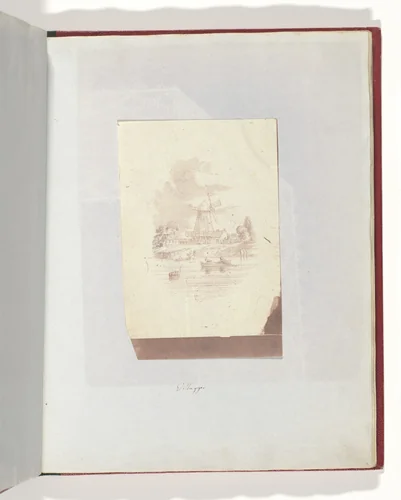
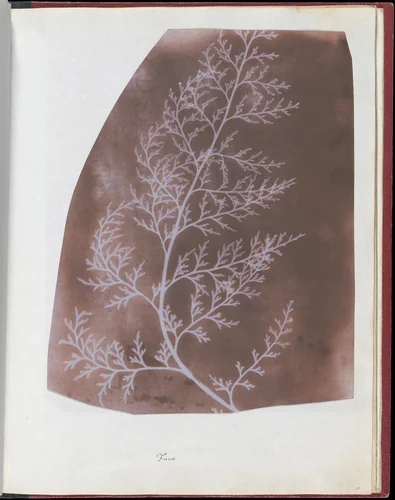
Beyond his technical mastery, Talbot contributed critically to defining photography as an artistic medium. He published The Pencil of Nature (1844-1846), a landmark work illustrated entirely with original salted paper prints derived from his calotype negatives. This publication was among the earliest attempts to demonstrate the utility and aesthetic potential of the new medium, featuring important early views of cities such as Oxford, Paris, Reading, and York. His subject matter often focused on meticulous, even domestic observation, ranging from intricate textural details, such as the delicate geometry found in Two Scraps of Lace, to the focused scientific documentation of a Botanical Specimen.
Talbot’s inventive spirit extended into photomechanical reproduction. His work in the 1840s on photoglyphic engraving served as a direct precursor to modern photogravure, ensuring the durability and permanence of images far beyond the limitations of early paper processes. Interestingly, his intense focus on protecting his groundbreaking processes led to a rather heated legal era; he was the holder of a controversial patent that, while establishing his rights, arguably hindered the early commercial development of photography within Britain.
Today, his oeuvre remains highly valued in collections such as the Cleveland Museum of Art and the Metropolitan Museum of Art. The meticulous quality of his surviving photographs ensures his enduring legacy, recognized globally as museum-quality photographic artifacts essential to understanding the medium's inception. Many important early William Henry Fox Talbot prints are now accessible for study, with numerous original plates considered part of the public domain and available as downloadable artwork.
Source: Wikipedia · CC BY-SA 4.0
![[Bookcase at Lacock Abbey] by William Henry Fox Talbot, photograph, 1839](https://img.artbee.org/8c8b7b95-caab-4603-af4d-74d2fadab941/small.webp)
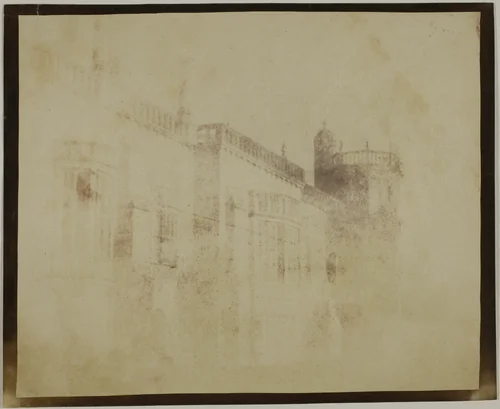
![[Lacock Abbey] by William Henry Fox Talbot, photograph, 1839-1840](https://img.artbee.org/cfbe3220-2d45-44d0-8b2c-37330f652772/small.webp)
![[Manuscript Letter from W. H. Fox Talbot to Antonio Bertoloni] by William Henry Fox Talbot, manuscript, 1839](https://img.artbee.org/840ab008-767b-4efa-933e-e0014d464e2c/small.webp)
![[Manuscript Letter from W. H. Fox Talbot to Antonio Bertoloni] by William Henry Fox Talbot, manuscript, 1839](https://img.artbee.org/88435f78-9a34-4733-ad5e-daa885c46c92/small.webp)
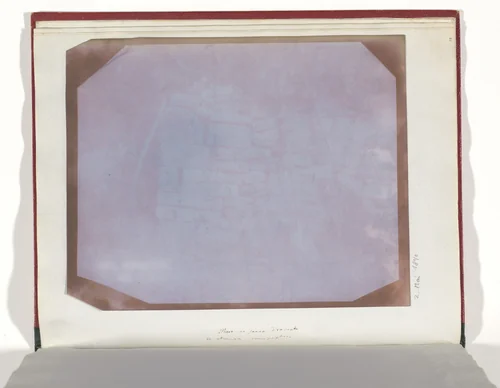
![[Photogenic Drawing of a Plant] by William Henry Fox Talbot, photograph, 1839-1840](https://img.artbee.org/433d11ab-7062-4280-8cf2-332de9116758/small.webp)