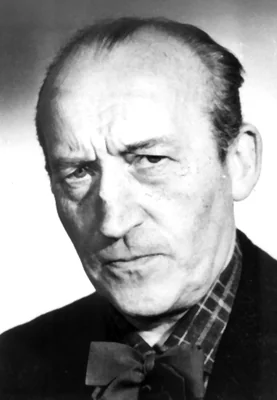
William Heine
William Heine (active circa 1856) is recognized as a critical visual documentarian of mid-nineteenth-century American naval expansion. Serving as the official artist attached to Commodore Matthew C. Perry’s groundbreaking expedition to Japan and the Far East, Heine’s work provided the Western world with some of its earliest detailed visual accounts of these historically secluded regions.
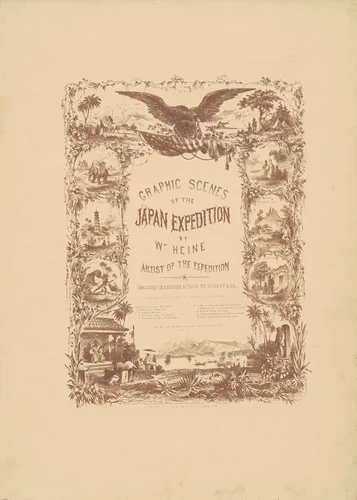
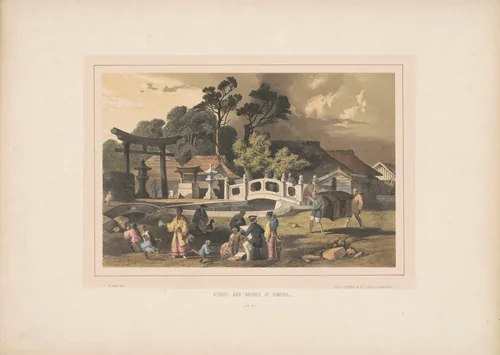
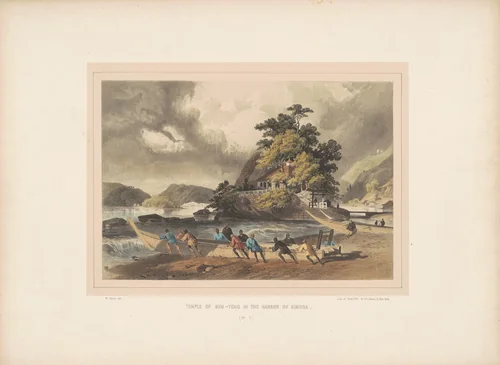
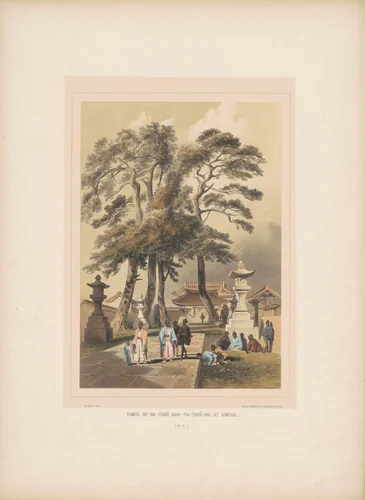
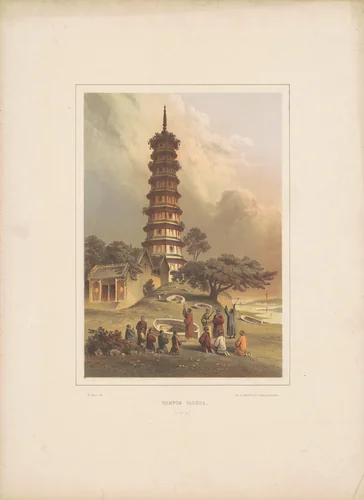
Heine’s principal artistic legacy resides in his comprehensive portfolio, Graphic Scenes of the Japan Expedition. This collection, organized into twelve distinct portfolios, served dual roles: it was simultaneously a governmental report detailing the mission’s progress and a profound visual record of unprecedented cultural contact. Unlike the Romantic painters of the era, Heine operated primarily as an observer and recorder, producing highly detailed, observational studies that balanced anthropological rigor with artistic composition.
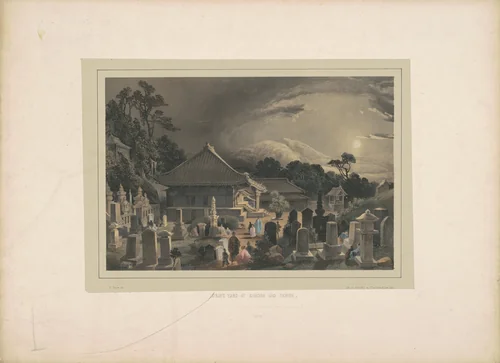
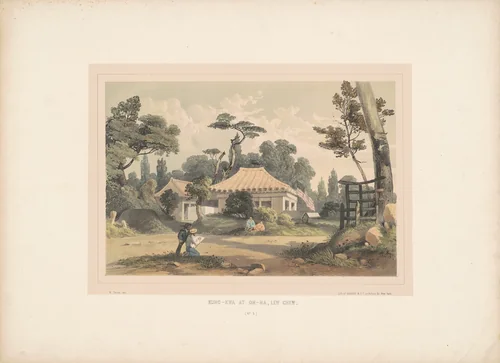
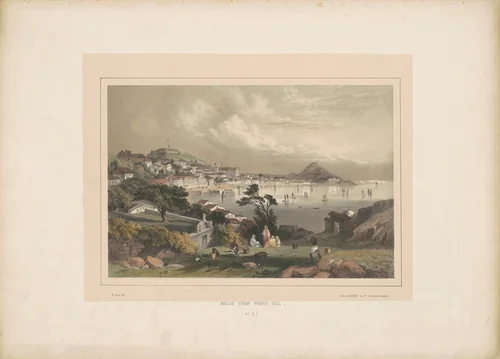
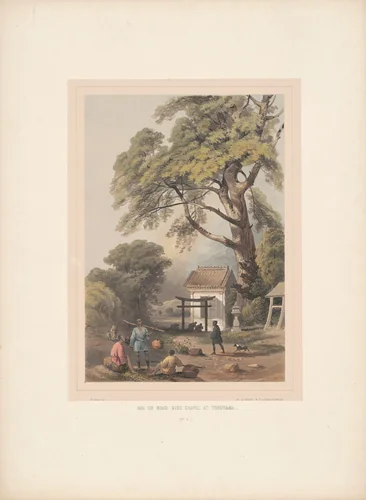
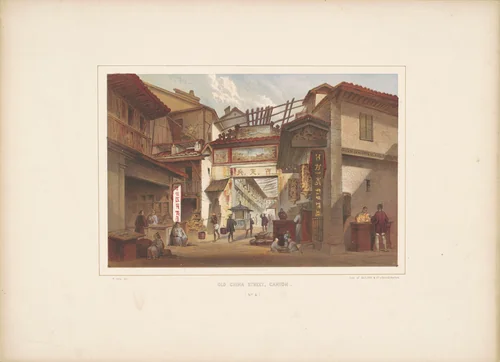
The resulting images, such as Grave Yard at Simoda dio Zenge and Kung-kwa at On-na, Lew Chew, showcase the artist’s unique ability to render foreign architecture, social customs, and landscapes with striking clarity. His plates were essential components of the official expedition reports, meticulously documenting everything from negotiation ceremonies to the daily life observed during the stops in Japan and the Ryukyu Islands (Lew Chew). The resulting prints are distinguished by their technical sophistication and careful attention to atmosphere, making them essential resources for historians.
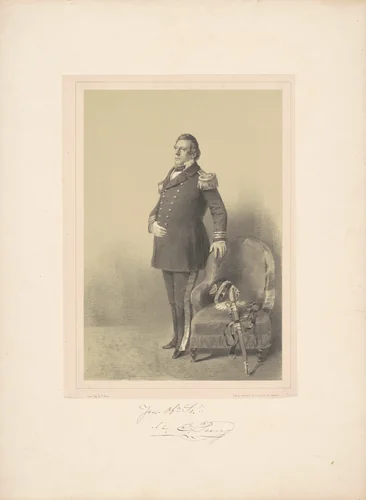
Though his name is often inextricably linked to geopolitical history, the technical quality of William Heine prints confirms his status as a master graphic artist of the era. His work includes formal portraiture, such as the focused study of Commodore M. C. Perry, illustrating his versatility within the demanding medium of naval illustration. It is perhaps an understated observation that these detailed renderings, commissioned initially for governmental purposes, have transitioned seamlessly into some of the most highly regarded museum-quality examples of nineteenth-century historical printmaking.
Heine’s detailed documentation continues to hold significant historical and aesthetic value. His works are preserved in major public institutions, including the National Gallery of Art, ensuring their long-term visibility. Due to the nature of their original publication, many of these influential William Heine prints are now considered part of the public domain, offering researchers and enthusiasts unparalleled access to high-quality prints and downloadable artwork that define this critical moment in global history.
Source: Wikipedia · CC BY-SA 4.0