William H. Rau
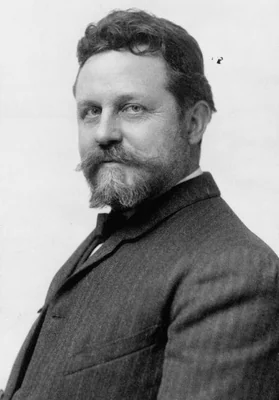
William Herman Rau (1855-1920) was a leading American photographer active across the late 19th and early 20th centuries, renowned for mastering the technical challenges of expansive, long-form documentary photography. His career was defined by a remarkable commitment to visual cartography, capturing the physical realities of both domestic and international sites with systematic precision.
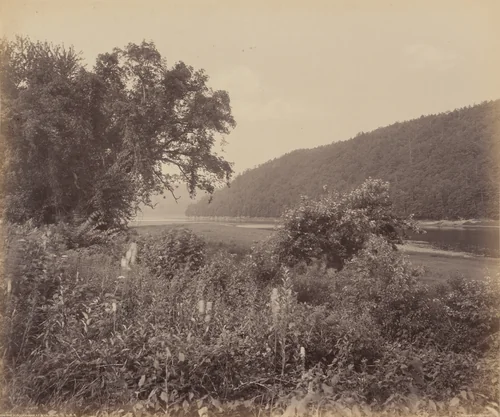
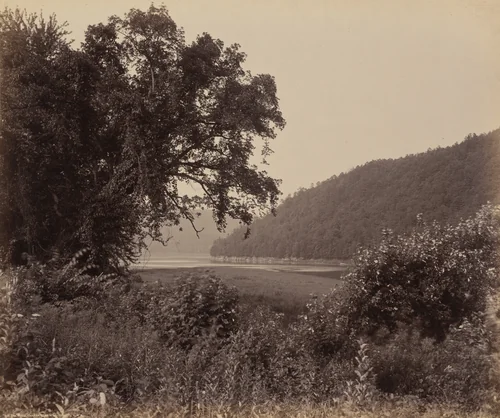
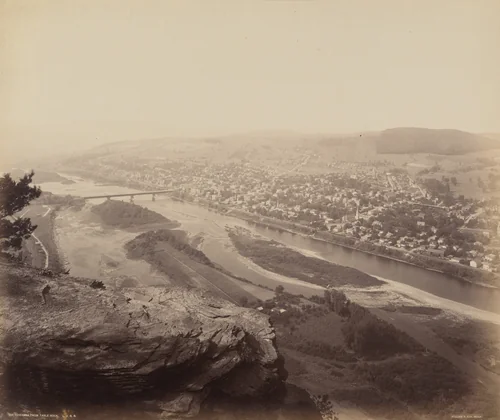
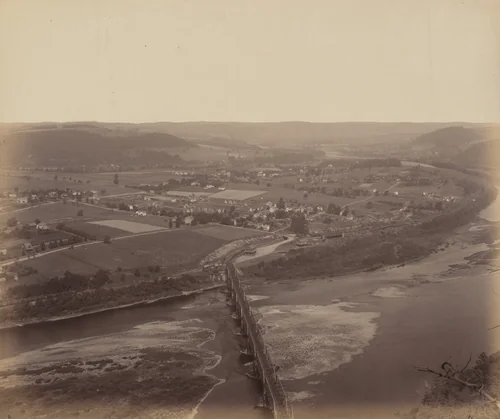
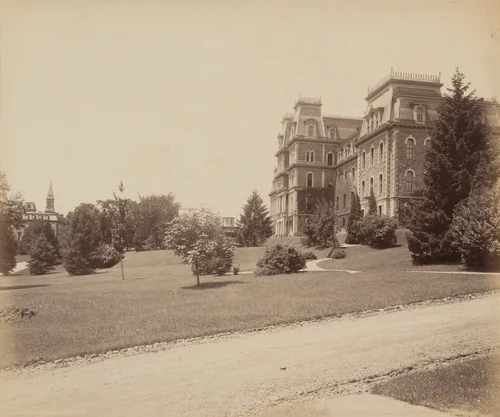
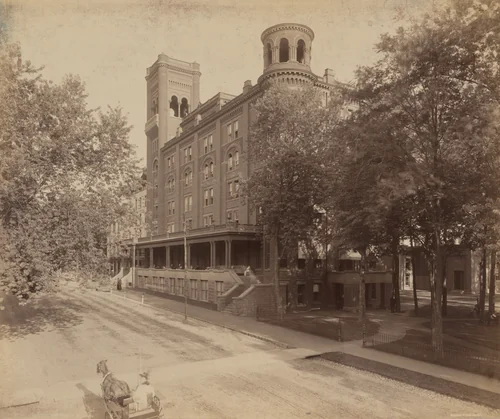
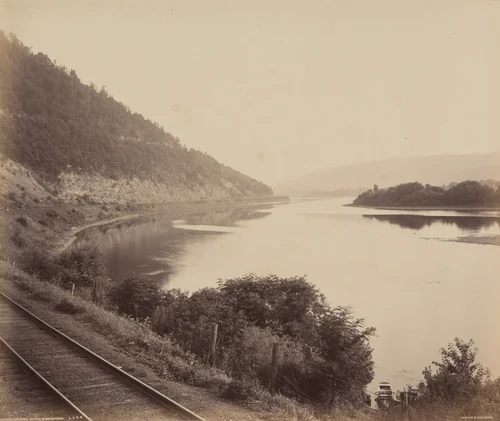
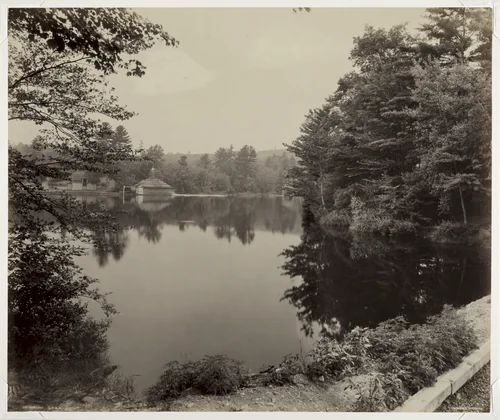
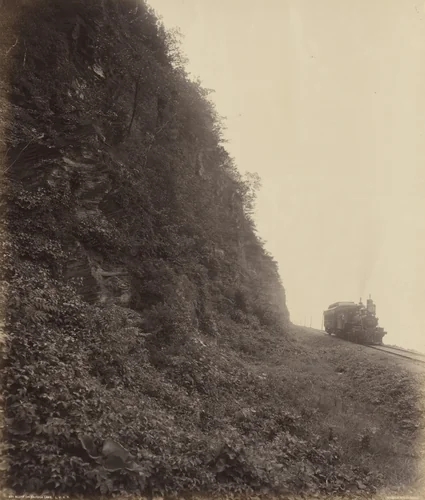
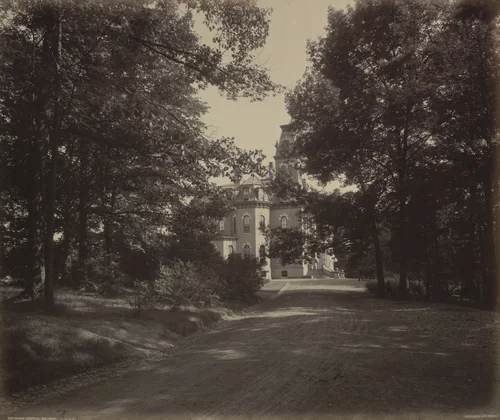
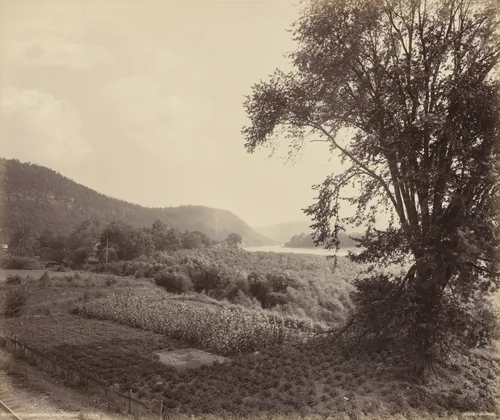
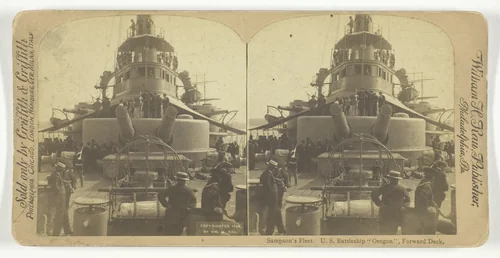
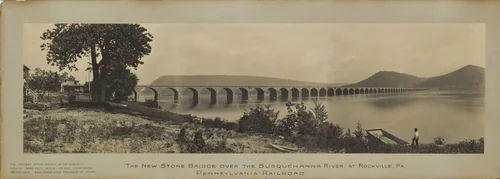
Rau initially gained widespread recognition for his extensive production of stereo cards, offering the public vivid, three-dimensional views of locations around the world, from European capitals to remote American landmarks. However, his most ambitious and historically significant undertaking involved his comprehensive documentation of the Pennsylvania Railroad (PRR) system. This long-term project required colossal format negatives and meticulous logistical planning to create detailed panoramic views tracing the entirety of the railway’s network. Works such as Across Country from West Portal, N.J. and the geographically specific Bethlehem, Calypso Island exemplify this era of industrial and landscape documentation, where the camera served not just as an artistic tool, but as a crucial instrument for corporate narrative and expansion.
What distinguished Rau was his ability to treat massive infrastructure projects with the same photographic gravity usually reserved for pure nature studies. He was interested in the interplay between development and terrain, capturing the sweeping vistas of the American East while anchoring them with evidence of human engineering. The careful alignment and technical exactitude of his prints allowed viewers to appreciate the sheer scale of the nation’s infrastructural growth. It is an interesting observation that the technical requirement for clarity in documenting rail safety and engineering standards inadvertently resulted in images of striking compositional authority.
Though sometimes historically classified as a purely commercial documentarian, Rau’s output provides an unparalleled visual record of American life and development during the Gilded Age. His mastery of scale and detail established a high benchmark for subsequent generations of architectural and documentary photographers. Today, much of this work resides in collections like the National Gallery of Art, and has entered the public domain, allowing institutions to offer museum-quality high-quality prints and royalty-free downloadable artwork, ensuring that the visual scope and authority of Rau’s lens remains accessible for future study.
Source: Wikipedia · CC BY-SA 4.0