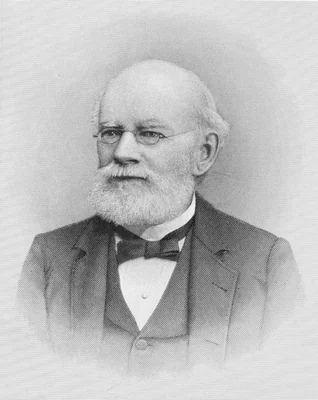
William H. Edwards
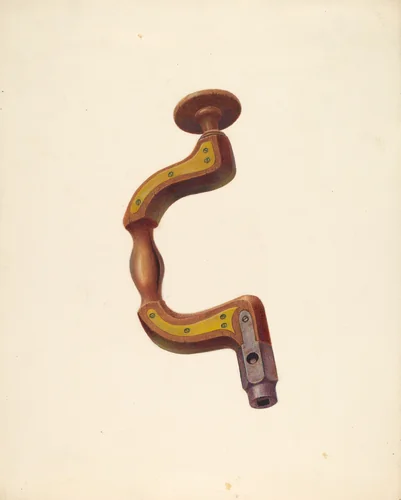
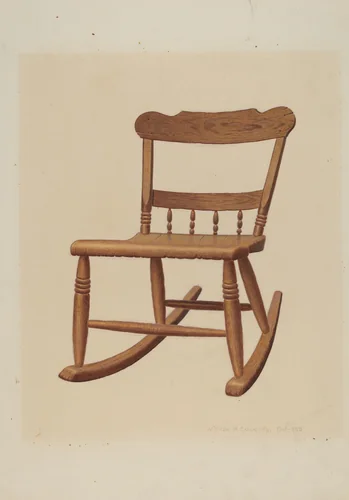
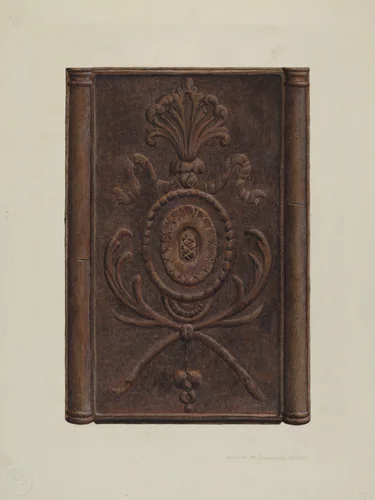
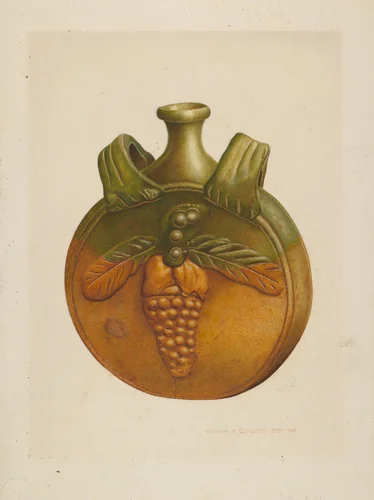
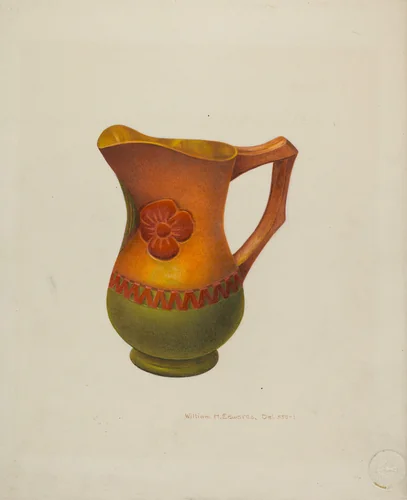
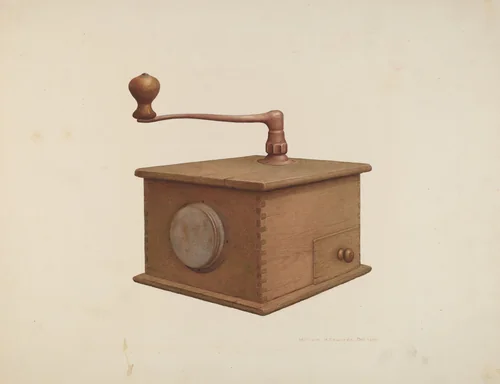
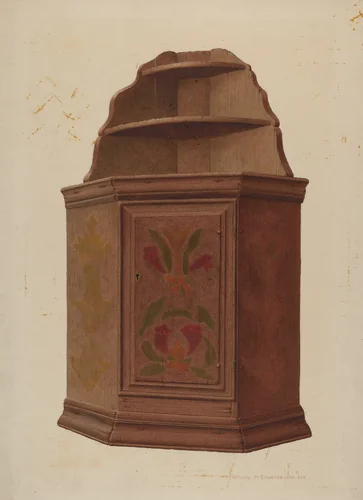
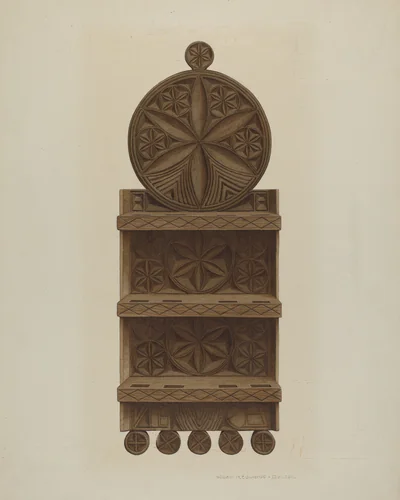
William H. Edwards is recognized for his essential contribution to the Index of American Design (IAD), a landmark conservation project initiated under the Federal Art Project (FAP) during the challenging years of the Great Depression. Active between 1935 and 1939, Edwards produced approximately fifteen comprehensive, detailed renderings documenting early American functional objects and material culture. These works, executed primarily in watercolor and gouache, represent a critical period of national self-study, preserving the visual record of objects that defined American craft and ingenuity.
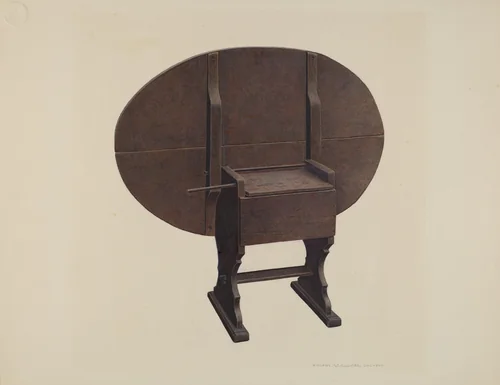
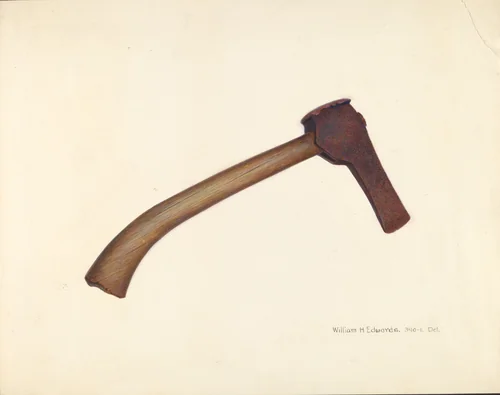
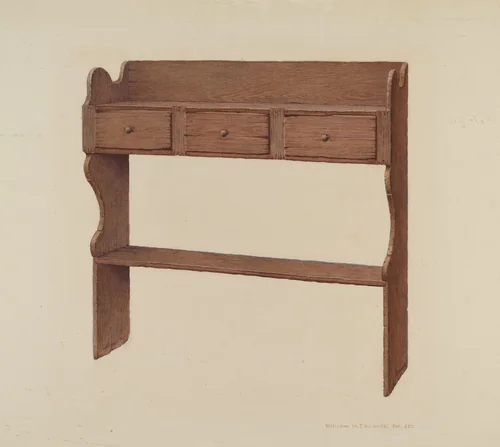
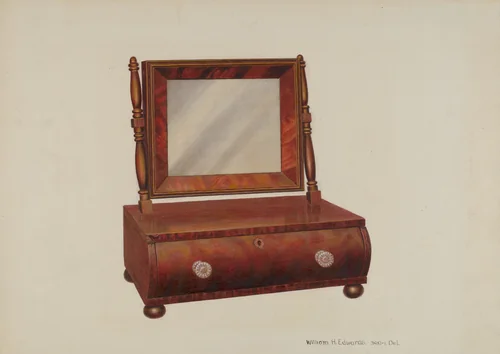
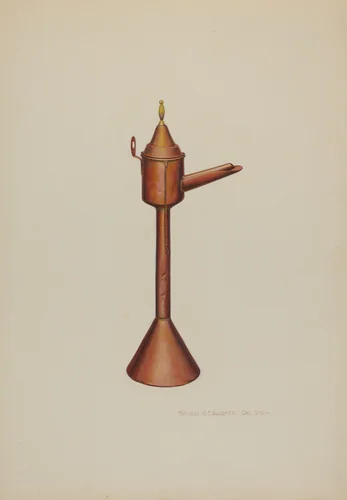
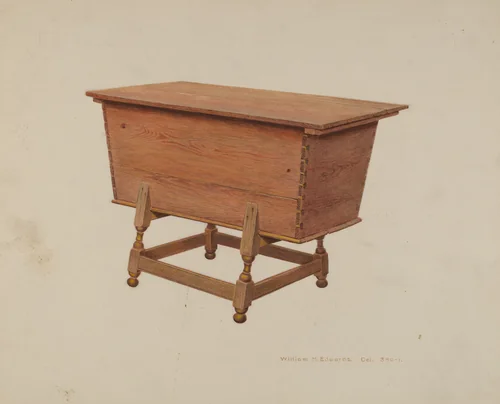
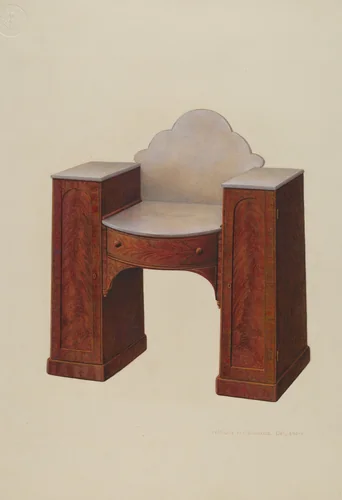
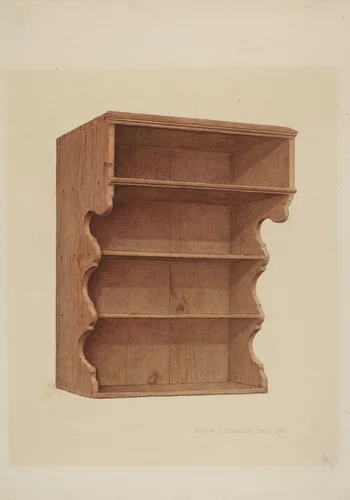
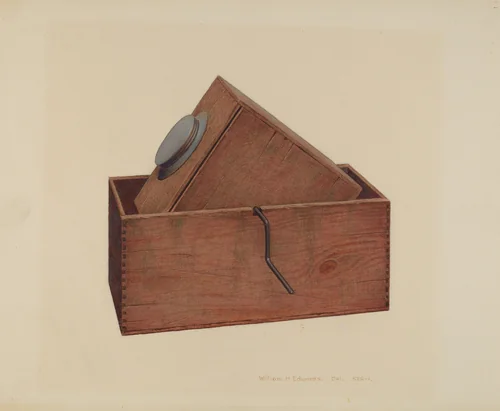
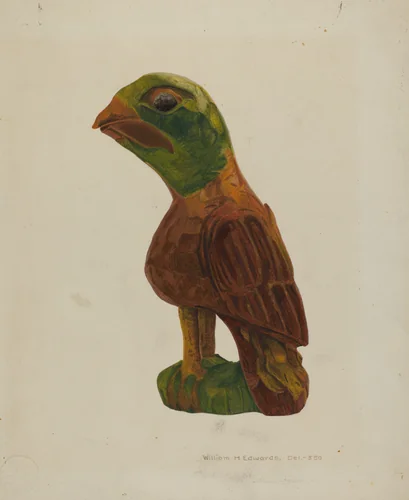
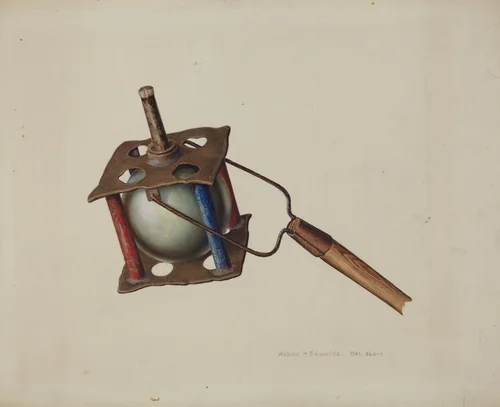
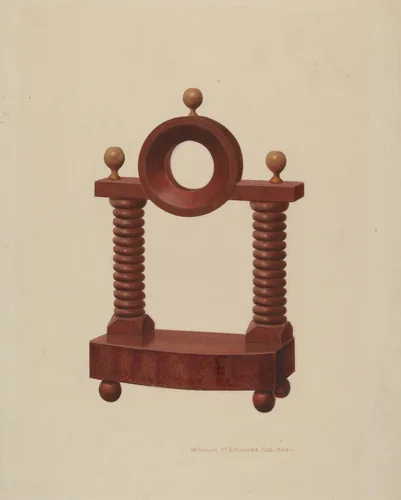
His designs are characterized by their rigorous precision, prioritizing faithful documentation over artistic interpretation. Edwards focused exclusively on utilitarian artifacts, capturing their structural integrity and surface texture. His portfolio includes vital examples of early furniture, such as the handsome Sideboard and the more intimate Shaving Stand, alongside implements of industry and daily life. The rendering of the Post Axe, for instance, highlights the rugged functional aesthetic of agricultural tools, while his study of the Whale Oil Lamp provides a precise record of pre-electric lighting technology. These works, including the simple yet historically resonant illustration of a Dining Table, collectively form a permanent record housed within the collections of the National Gallery of Art.
The background of the artist himself presents a fascinating contrast to the methodical work required by the IAD. Born William Henry Samuel Edwards, his life was predominantly centered on civic leadership and agriculture in Wisconsin. Before dedicating his energy to documenting the nation’s heritage through design, he had established a lengthy career as a Republican politician, serving four years in the Wisconsin Senate and fourteen years in the State Assembly. It remains a uniquely American detail that a seasoned politician and farmer would turn his disciplined attention to the exacting standards required for museum-quality illustrations of early American artifacts.
Edwards' methodical output ensures that his work, along with the broader IAD collection, remains a critical resource for scholars of decorative arts and history. Today, these seminal drawings are in the public domain, allowing for royalty-free access. The legacy of William H. Edwards prints offers enduring, high-quality prints and downloadable artwork that quietly testifies to the beauty of the nation’s functional past.
Source: Wikipedia · CC BY-SA 4.0