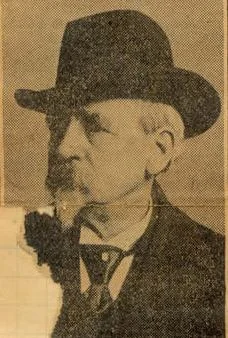
William H. Bell
William H. Bell (1830-1910) stands as a pivotal figure in the history of American photography, whose relatively brief active period, spanning 1864 to 1872, produced two entirely disparate yet historically essential bodies of work. An English-born American artist, Bell’s career trajectory moved sharply from the clinical documentation of human trauma to the expansive recording of geological sublime. His rigorous documentation is held in premier institutions, including the Metropolitan Museum of Art and the Art Institute of Chicago, underscoring their museum-quality historical significance.
Bell’s earliest significant contributions involved the systematic photographic documentation of surgical results during and immediately following the Civil War. Working often with the Army Medical Museum, Bell employed his lens to produce objective clinical records of injury and treatment, crucial for the advancement of military medicine. Titles such as "A Compound Comminuted Fracture of the Femur Successfully Treated with Smith's Anterior Splint" and "Excised Knee Joint. A Round Musket Ball in the Inner Condyle of the Right Femur [Gardiner Lewis, Company B, Nineteenth Indiana Volunteers]" are jarringly clinical. These images were less concerned with emotional impact than with scientific veracity, capturing with unflinching clarity the realities of battlefield wounds and subsequent recovery efforts.
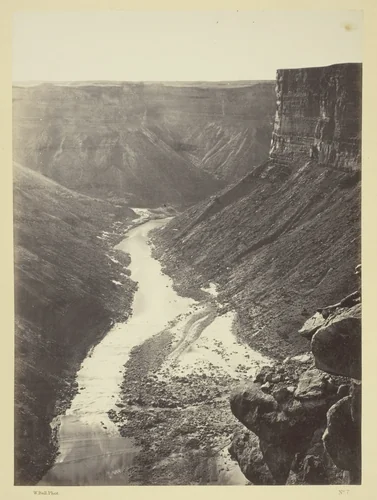
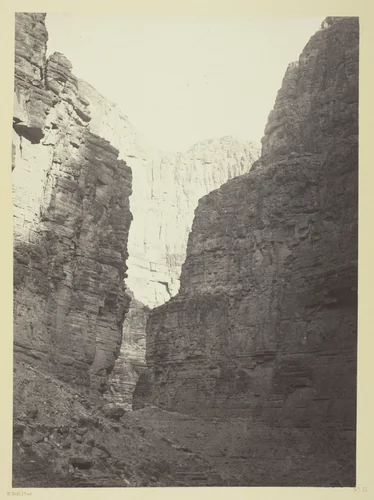
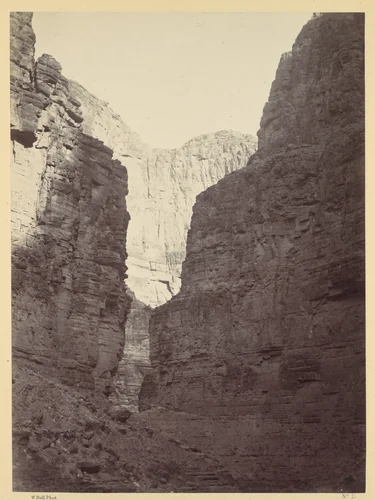
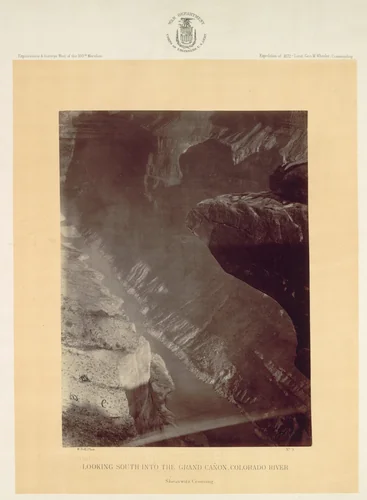
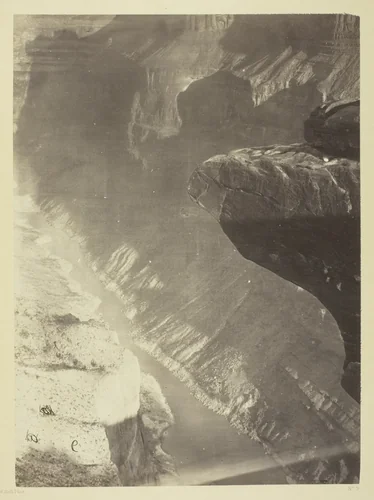
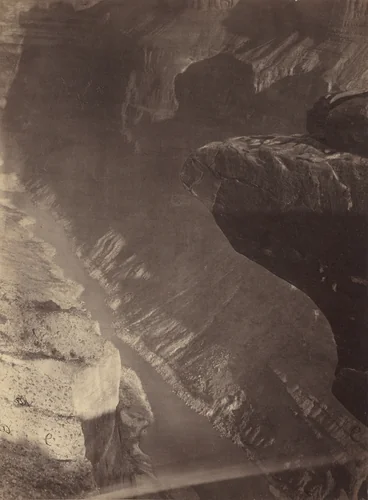
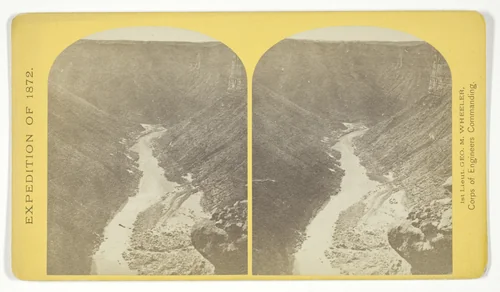
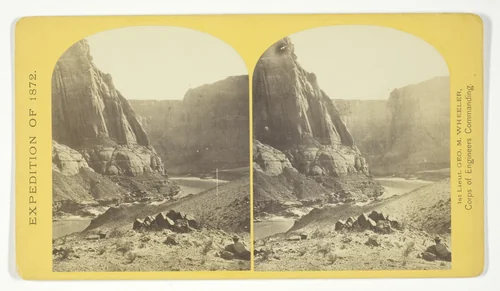
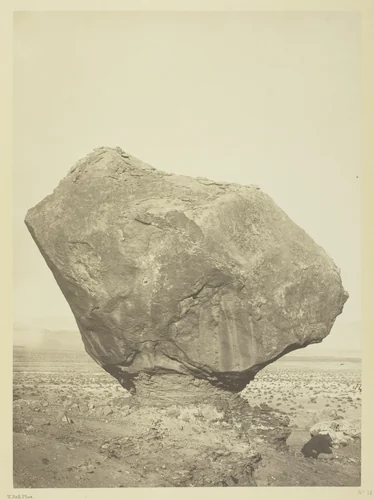
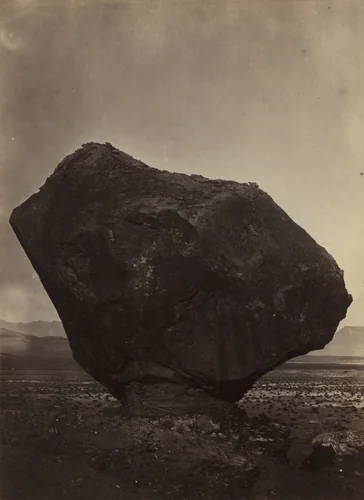
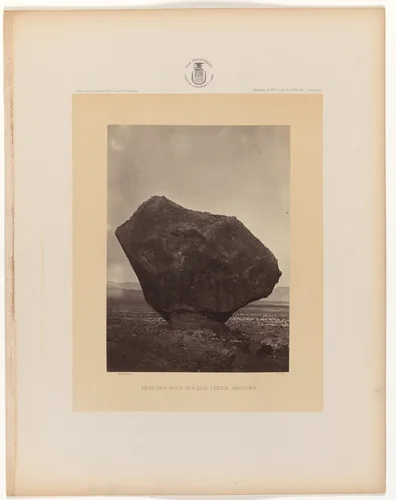
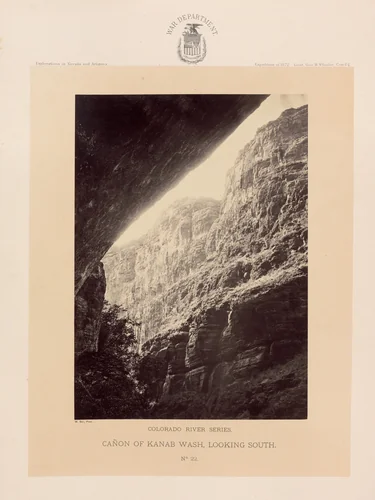
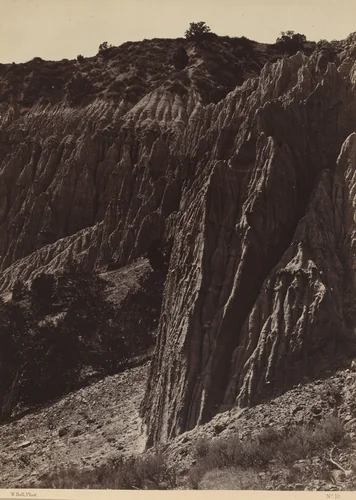
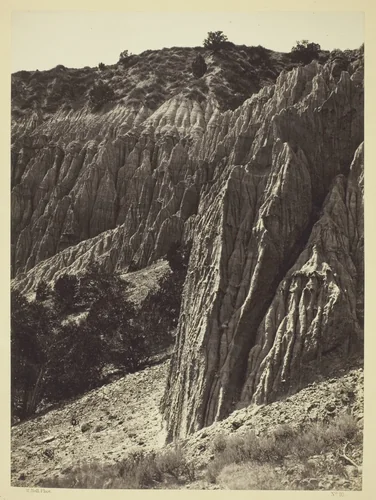
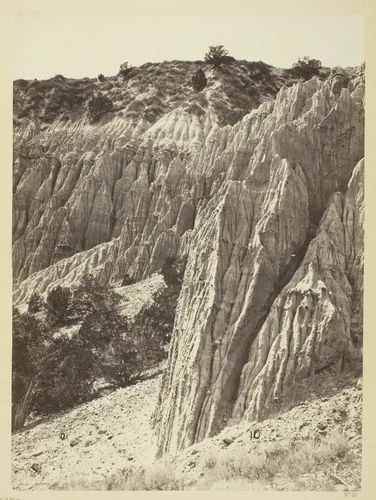
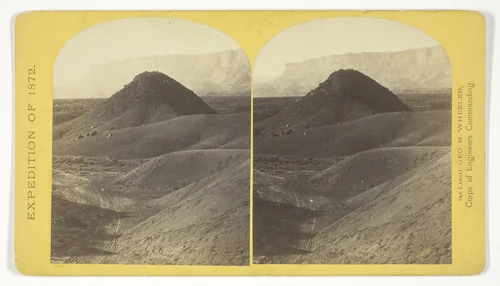
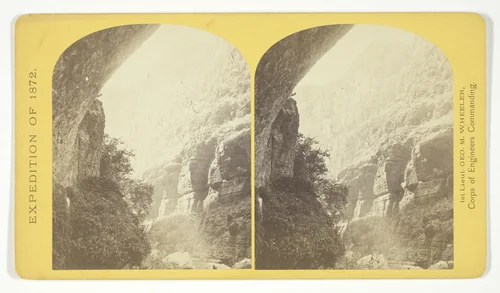
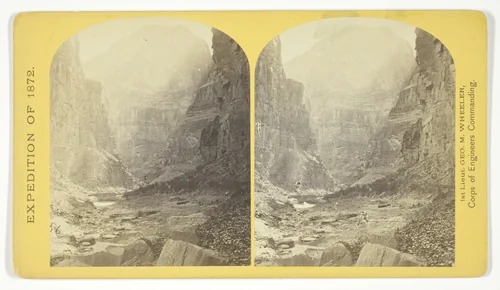
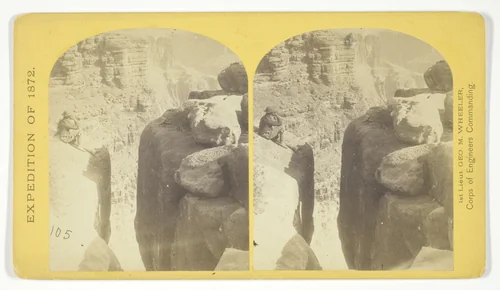
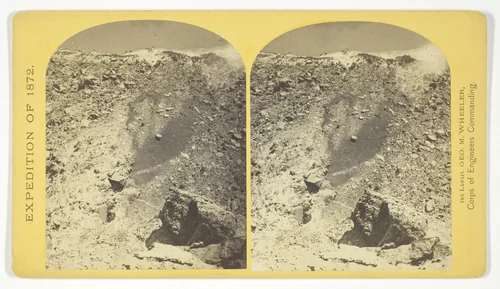
Following this close examination of the body, Bell turned his focus to the vast geography of the West. In 1872, he joined the Geographical Explorations and Surveys West of the 100th Meridian, led by Lieutenant George M. Wheeler, taking over the role previously held by Timothy O'Sullivan. This assignment required mastering the difficult large-format collodion process in remote conditions. Bell's work here produced iconic views of the Southwest, shifting from the intimate architecture of the hospital interior to the grand, exterior forms of the American frontier. Key examples, such as "The Bath," a dripping spring in Kanab Cañon, highlight his ability to capture detailed geological textures and atmospheric effects.
The juxtaposition of Bell’s output-clinical photographs that detail precise surgical minutiae followed by monumental views meant to define the scope of the continent-reveals a photographer whose mastery lay in technical precision regardless of the subject's scale or intimacy. His commitment to factual representation ensures that many of these historically important photographs remain accessible. Today, collectors often seek out William H. Bell prints, especially the high-quality prints derived from the original survey plates, ensuring his place as a versatile pioneer whose works increasingly enter the public domain for scholarly study.
Source: Wikipedia · CC BY-SA 4.0