William Gilpin
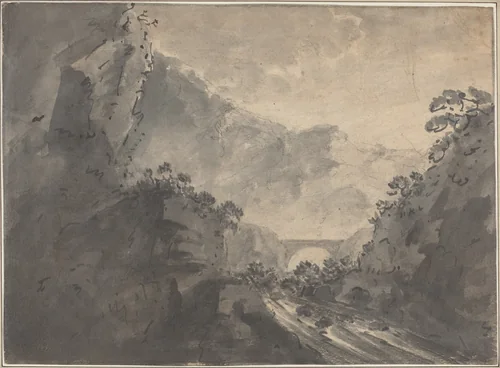
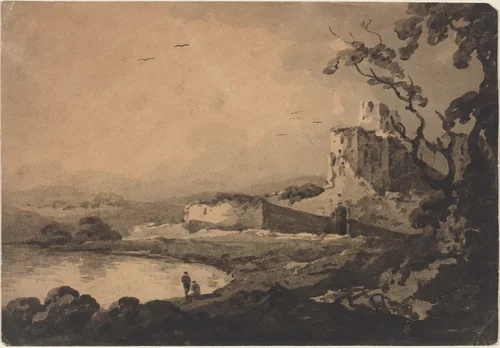
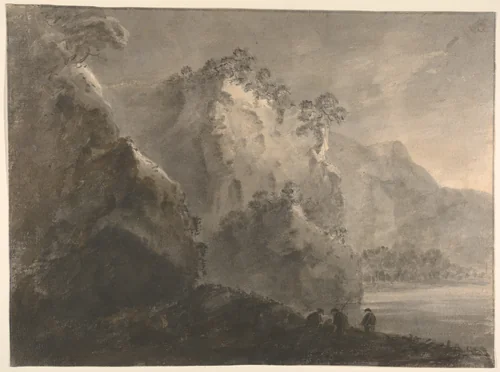
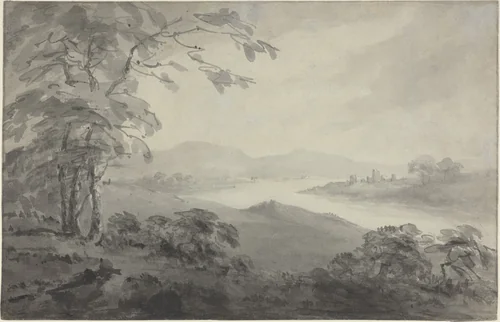
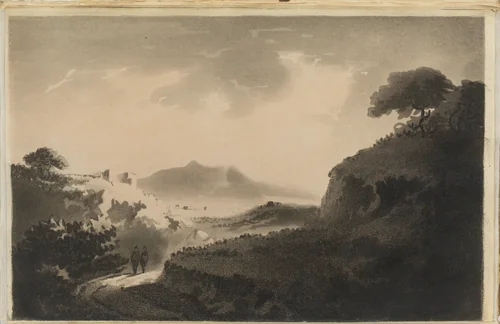
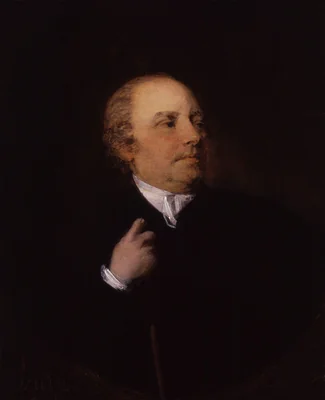
William Gilpin (1724-1804), an English clergyman, writer, and watercolour artist, stands as the principal theoretician and popularizer of the Picturesque movement in the late eighteenth century. His systematic approach to defining aesthetic pleasure in landscape fundamentally altered British visual culture, moving away from strict classical ideals toward an appreciation of ruggedness, variety, and pleasing irregularity. Gilpin’s significance rests not only on his prolific theoretical writing but also on the practical demonstration of his principles in his own visual works, including his studies such as A Picturesque Landscape.
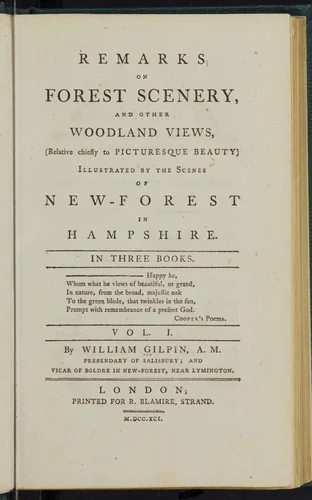
Trained originally for the clergy, Gilpin’s passion for visual experience led him on extensive tours throughout Great Britain, documenting regions previously overlooked for their dramatic, untamed scenery. His travel diaries, illustrated with his own etched plates, served as sophisticated aesthetic guides, instructing readers on how to evaluate, appreciate, and even “correct” nature to fit the Picturesque ideal. This methodology transformed the act of travel into an intellectual pursuit and pioneered what became known as picturesque tourism.
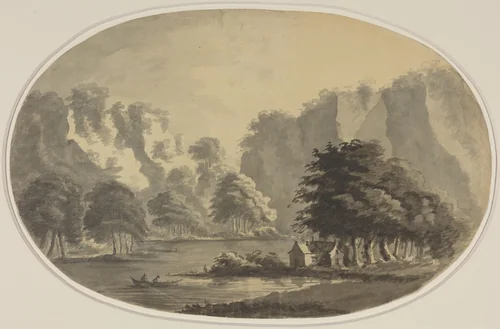
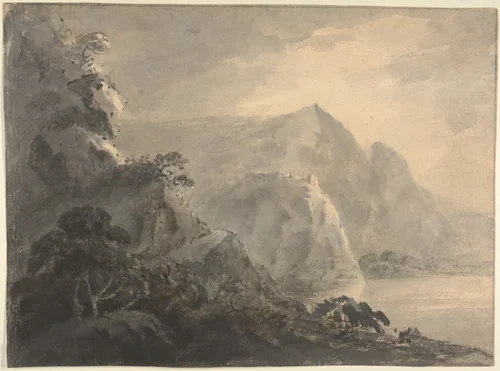
His artistic output, primarily delicate watercolour drawings like View of Ullswater and Landscape with hills, a lake, and figures, is characterized by a skilled handling of light and shadow, atmospheric effects, and compositional strategies designed to maximize visual interest. Gilpin often employed a technique of soft washes and controlled irregularity to create images that were simultaneously documentary and highly composed. These works were essential demonstrations of the theories proposed in his influential texts, defining the requisite traits for Picturesque scenery, including the necessity of decay, roughness, and bold contrasts.
It is perhaps one of the great ironies of art history that this mild-mannered priest became the defining authority who taught an entire nation to appreciate the beauty of dirt, irregularity, and decay. Gilpin’s legacy is evident in the continued relevance of his works, which are held in prestigious collections globally, attesting to their enduring museum-quality importance. His detailed sketches, which laid the groundwork for his highly sought-after William Gilpin prints, remain influential. Today, much of the foundational visual work associated with the movement resides within the public domain, offering enthusiasts access to high-quality prints and downloadable artwork that captures the essence of the Picturesque aesthetic.
Source: Wikipedia · CC BY-SA 4.0