William Frank
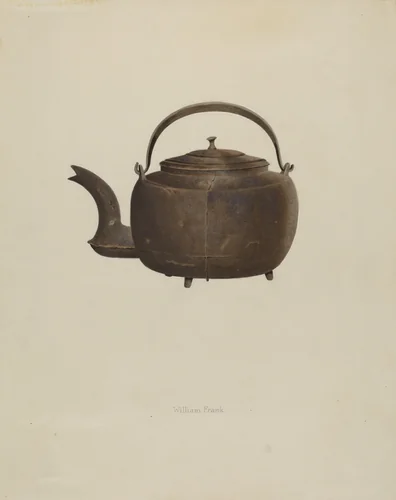
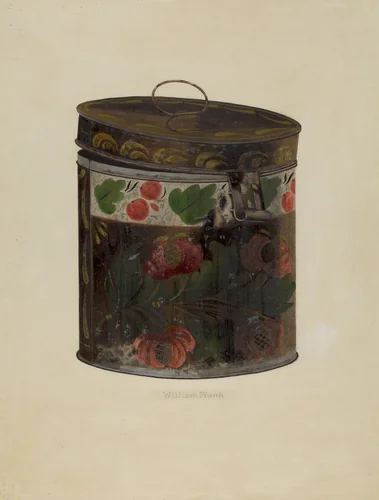
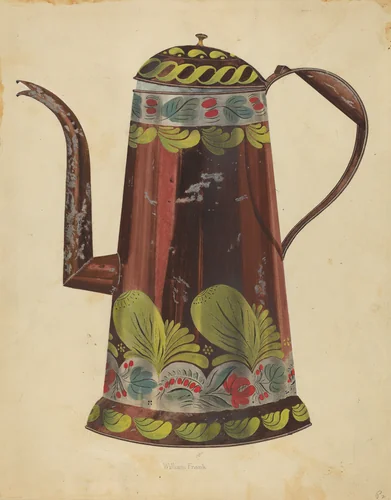
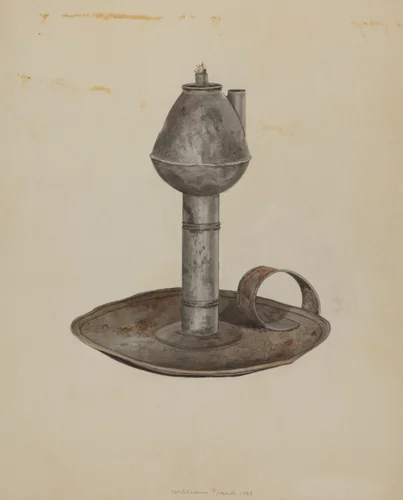
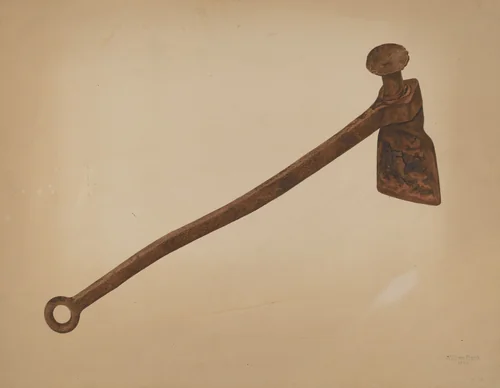
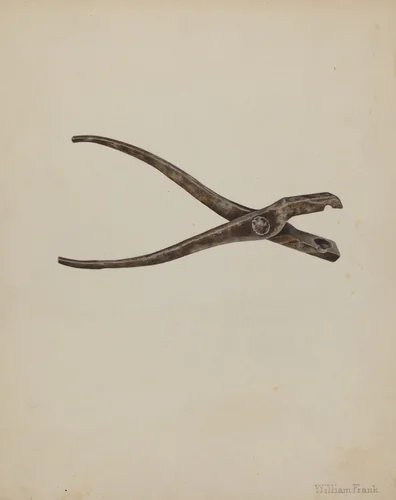
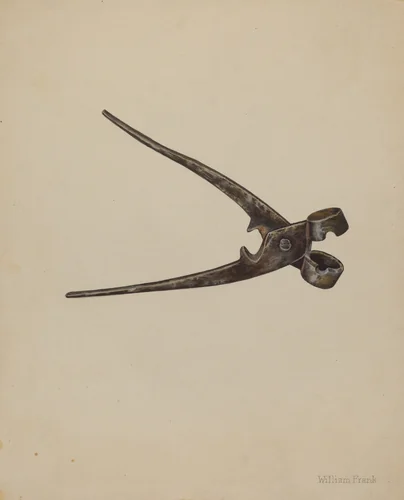
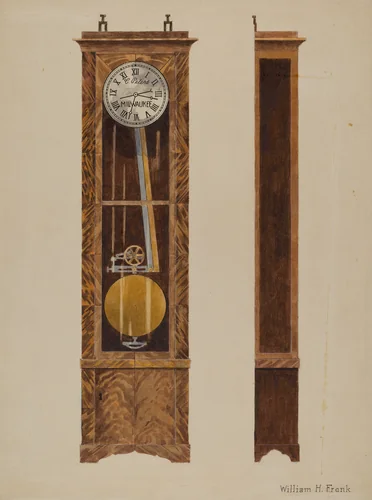
William Frank holds a crucial, if often understated, position in the history of American documentary art, primarily defined by his intensive involvement with the Works Progress Administration’s (WPA) Index of American Design. Active during the difficult years of 1930 to 1938, Frank contributed fifteen detailed renderings to this monumental federal project, which sought to preserve the visual record of American decorative, folk, and utilitarian arts created before 1900. His dedication to meticulous accuracy placed him among the key artists documenting objects often overlooked by traditional art historians.
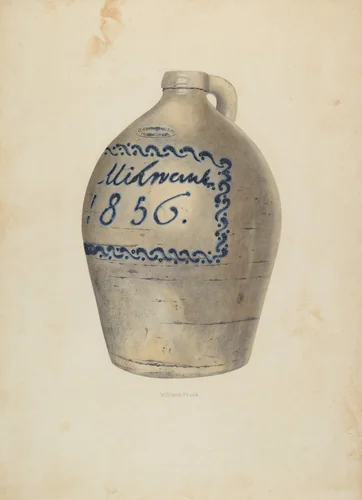
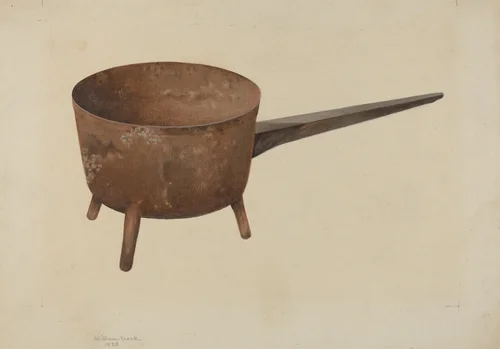
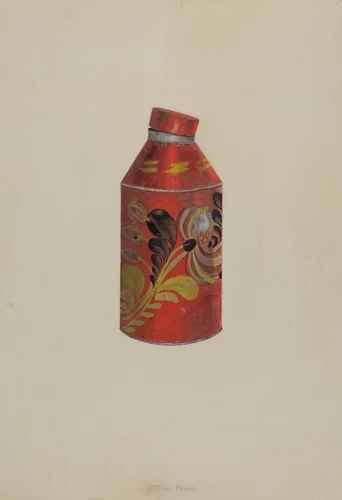
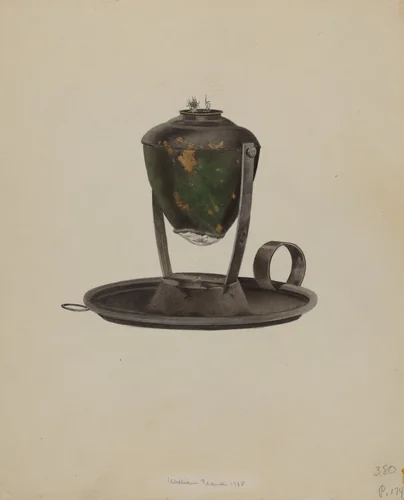
The Index of American Design project employed artists across the nation to produce watercolor plates and precise drawings of historical objects dating prior to the industrial revolution. Frank’s contributions were marked by sharp line work and careful observation, skills essential for creating the museum-quality documents the project required. Unlike artists focused on self-expression, Frank’s purpose was strictly descriptive, producing records of material culture that were themselves works of technical artistry.
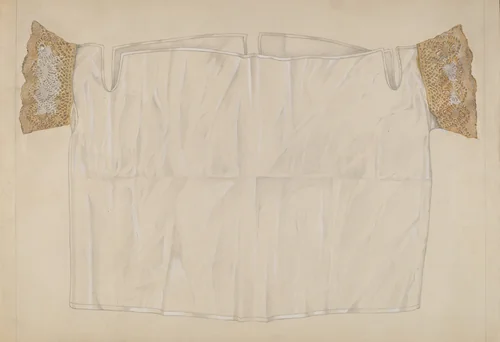
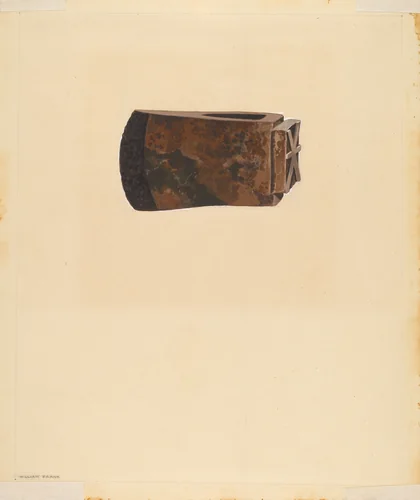
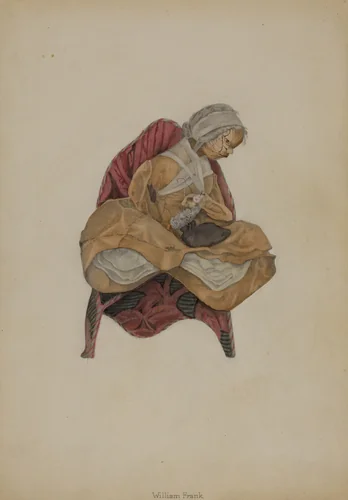
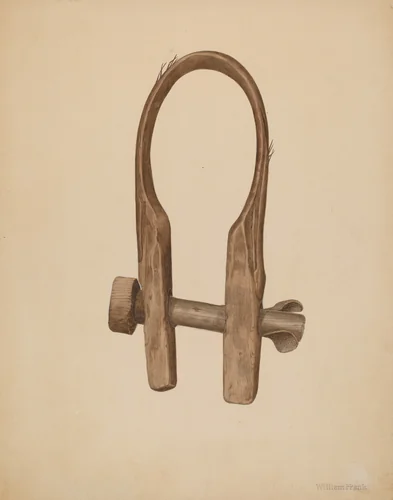
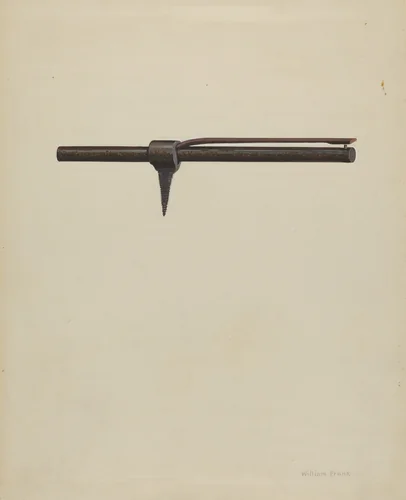
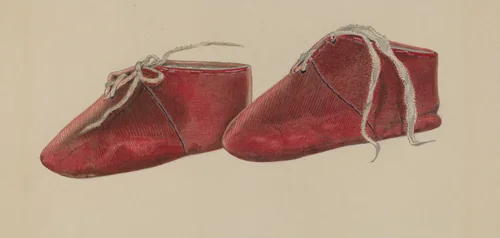
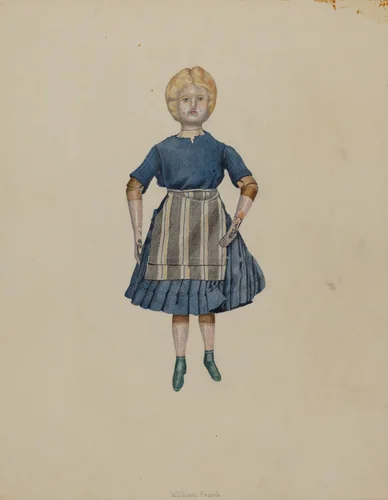
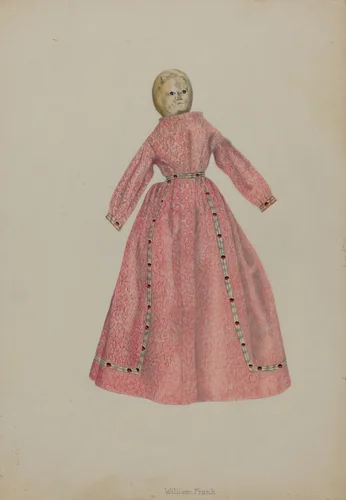
Frank’s documented contributions span a fascinating array of practical and domestic objects. These included the elegant simplicity of a Baby's Shirt and the robust utility of functional items like the Log Marker and Wooden Cleavis. Perhaps the most intriguing title in his indexed output is the rendering of the whimsical Nut Head Doll #2, illustrating the charming ingenuity of early American toy making. Many of these important historical documents, including those rendered by Frank, are now within the public domain.
The collective work of Frank and his peers ensured that a vast corpus of American design heritage, previously scattered or ephemeral, was consolidated and rendered permanent. This body of work currently resides in the collection of the National Gallery of Art, Washington D.C., guaranteeing its status as primary source material for scholars. Though his active artistic career was brief, spanning less than a decade, William Frank’s disciplined output is foundational to our understanding of Depression-era conservation efforts. His legacy persists not through traditional William Frank paintings, but through these definitive technical renderings, ensuring that William Frank prints are available as high-quality, downloadable artwork for educators and enthusiasts worldwide. It is a curious truth that some of the most enduring art is that which was least intended to be art at all, but rather, flawless documentation.
Source: Wikipedia · CC BY-SA 4.0