William Faithorne
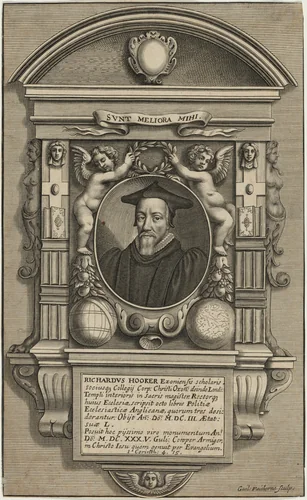
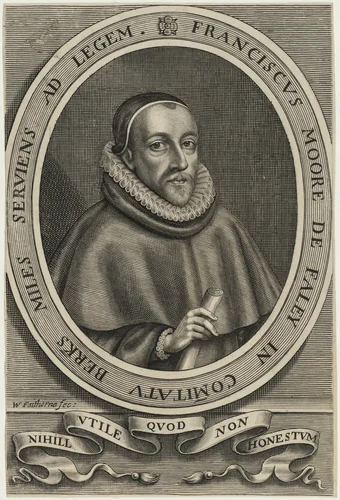
William Faithorne, often historically designated "the Elder" to differentiate him from his renowned successor, stands as a pivotal figure in English visual documentation of the early Stuart era. Active during a focused sixteen-year period between 1600 and 1616, he established his reputation primarily as an accomplished engraver, though his technical expertise extended to the medium of painting. His precise and informative work provides invaluable insight into the official personalities and prevailing fashions of early seventeenth-century Britain.
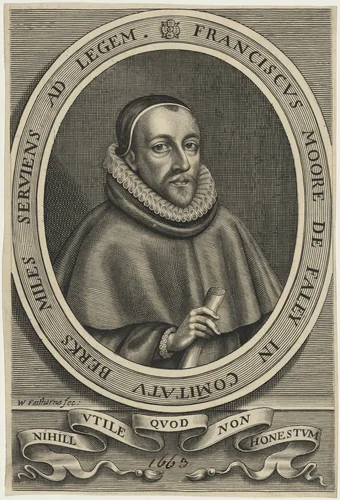
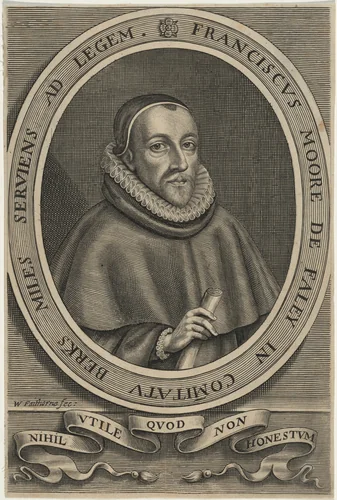
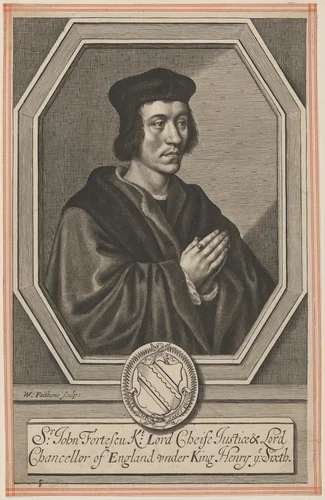
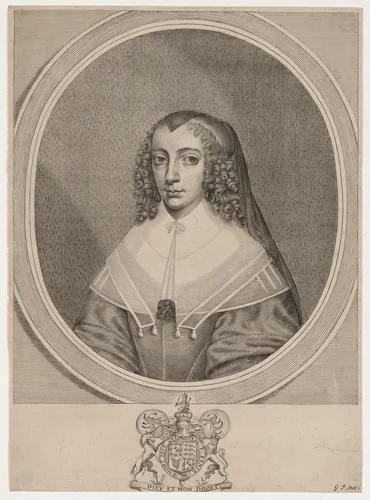
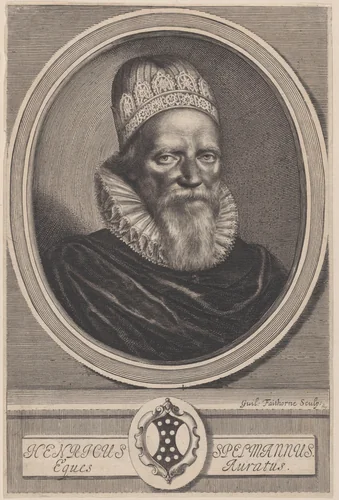
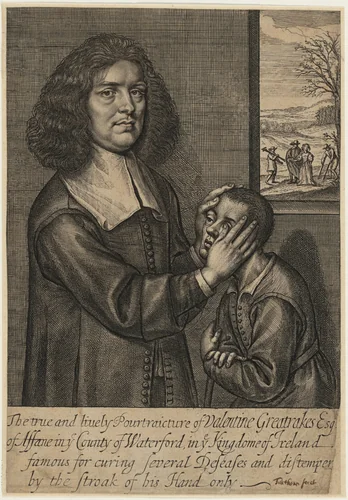
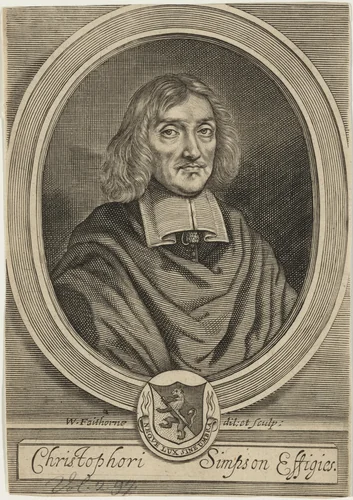
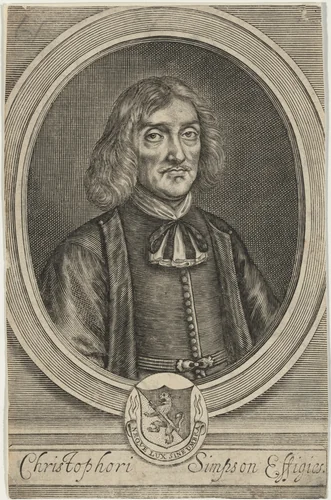
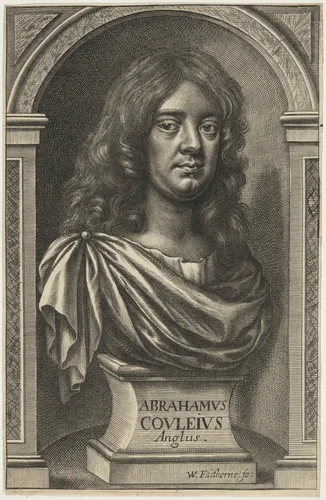
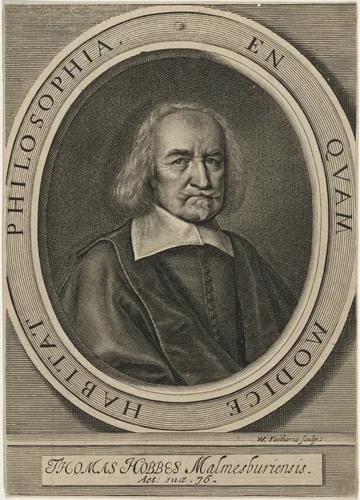
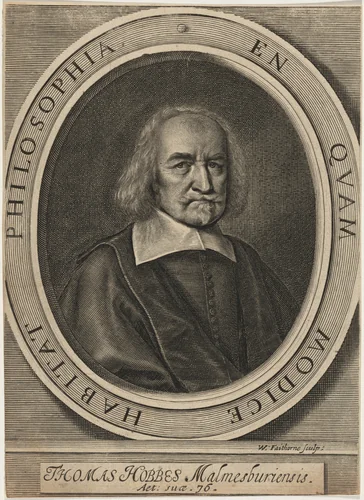
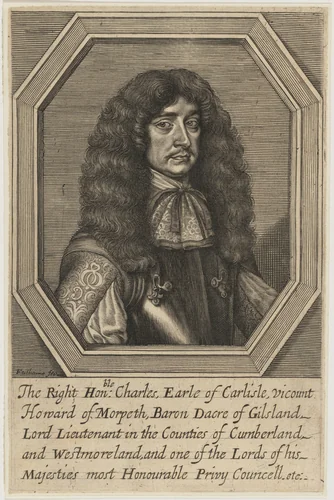
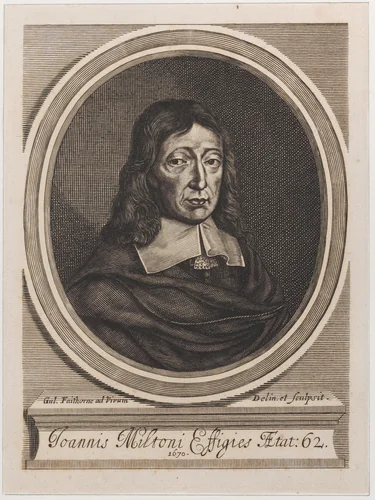
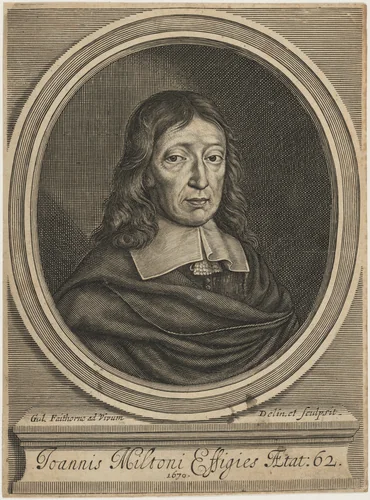
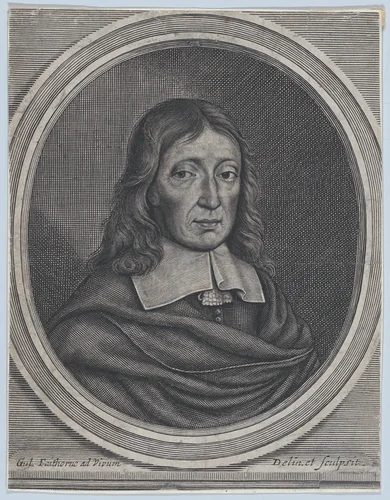
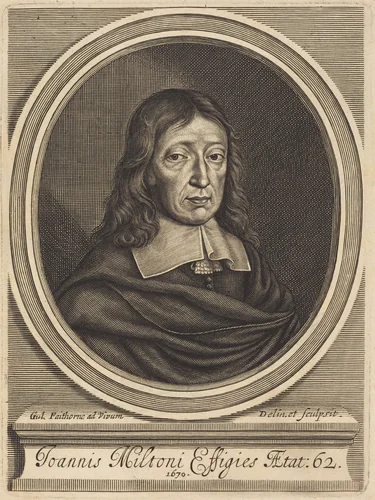
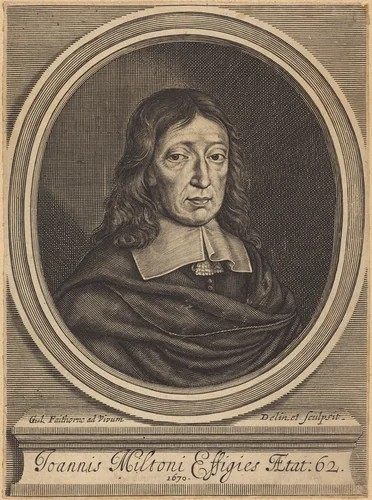
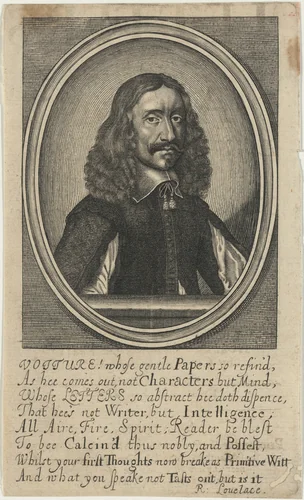
The surviving corpus attributed to Faithorne, including fourteen prints and one drawing, confirms a consistent, highly professional standard. His output centered critically on portraiture and illustration design, utilizing the meticulous handling of the copperplate line to secure commissions for reproducing prominent figures of the day. The clarity and detail in his engravings transformed two-dimensional media into essential historical records.
Examples of his historical significance include multiple depictions of the restored monarch, Charles II, and the powerful likeness of Anne, Duchess of Albemarle. A further indication of his foundational role within the publishing trade is the existence of works such as Design for a Book Illustration, confirming his deep integration within the contemporary mechanisms of art dissemination. It is worth noting the artist’s apparent, almost endearing, preoccupation with royalty, given that three of his listed major works are devoted simply to Charles II.
Today, these seminal portraits and designs are conserved in major institutions, including the Metropolitan Museum of Art and the National Gallery of Art, serving as key documents for art historians studying the evolution of the English School. While Faithorne’s original plates were commissioned for private or limited consumption, the accessibility of the work has dramatically increased. High-quality prints, recognized today as falling within the public domain, are often available as royalty-free downloadable artwork, ensuring that the precision and historical context conveyed by William Faithorne prints remain visible to a wide contemporary audience.
Source: Wikipedia · CC BY-SA 4.0