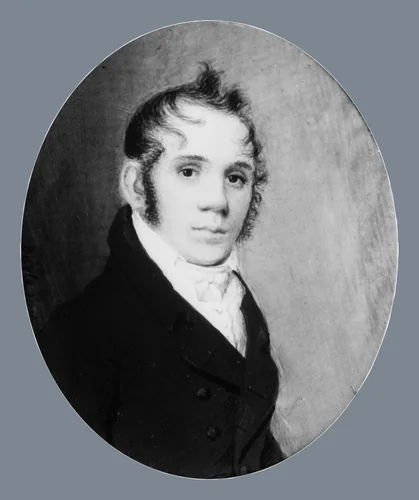
William Doyle
William M. S. Doyle (1769–1828) is recognized as a focused, early nineteenth-century portraitist whose relatively brief documented professional span, approximately 1801 to 1814, yielded works of remarkable institutional permanence. Despite the concise nature of his output, his paintings are held in major public repositories, including the Metropolitan Museum of Art and the Cleveland Museum of Art, affirming the significance and museum-quality of his contributions to the era of Federal or Georgian-style portraiture.
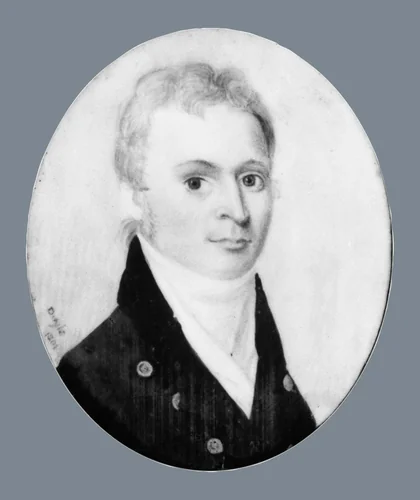
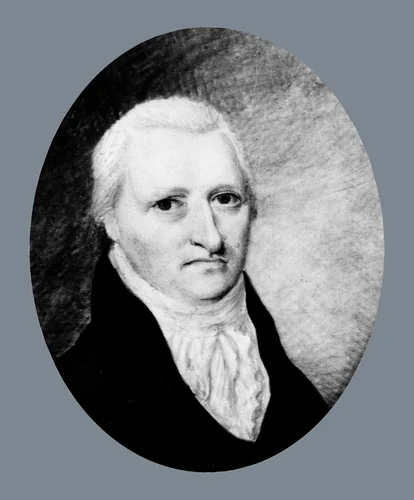
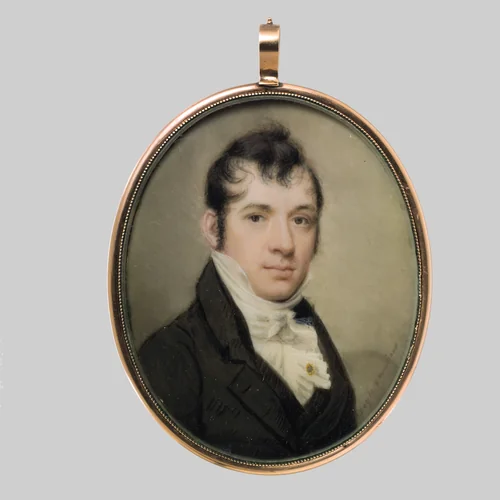
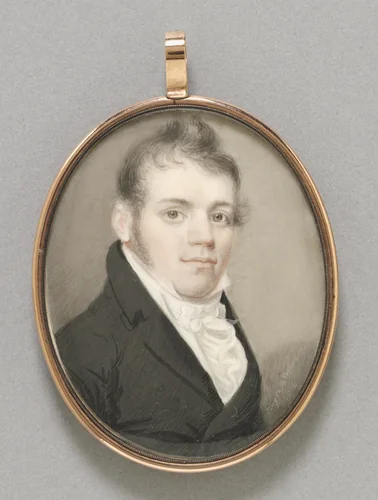
Doyle’s surviving artistic achievements are characterized by a disciplined attention to the formal conventions of commissioned bust-length studies. The known catalog of his work, comprising just a handful of documented oil paintings, is dedicated almost exclusively to the depiction of sitters from the professional classes. His records include the specific identification of works such as Portrait of John Clark, alongside multiple generically titled examples known simply as Portrait of a Gentleman. The latter group, appearing three times in the core database of his known works, speaks subtly to a practice built on capturing character and status rather than solely chasing high-profile celebrity.
Central to understanding Doyle’s technique is his own record of self-assessment, notably preserved in his Self Portrait. This painting, alongside his few commissioned pieces, establishes him as a skilled practitioner during a transitional period in Western art.
While his active period concluded well before the middle of the century, Doyle’s legacy is increasingly accessible to contemporary study. Many of the original William Doyle paintings are now documented in high resolution. This institutional documentation ensures that his refined technique and characteristic approach to the genre are preserved, making his historical records and related material widely available for scholars and enthusiasts seeking high-quality prints for non-commercial research.