William Baillie
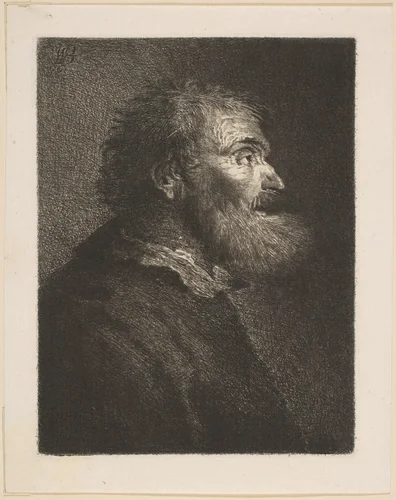
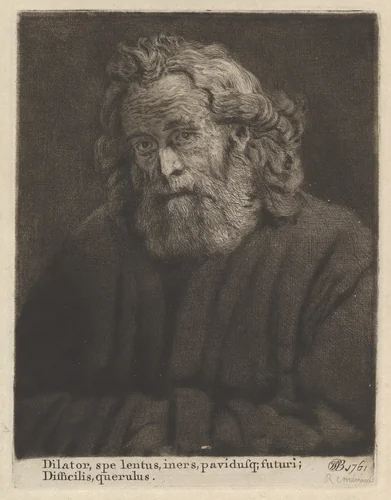
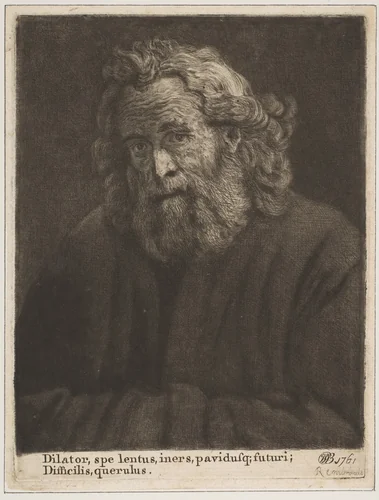
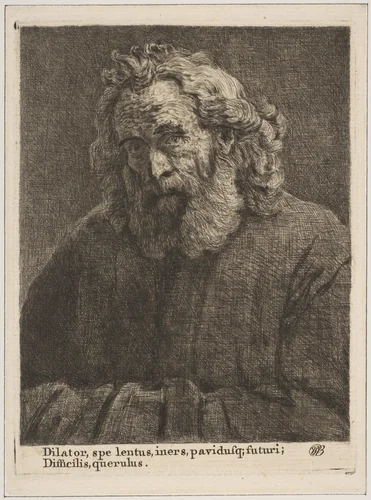
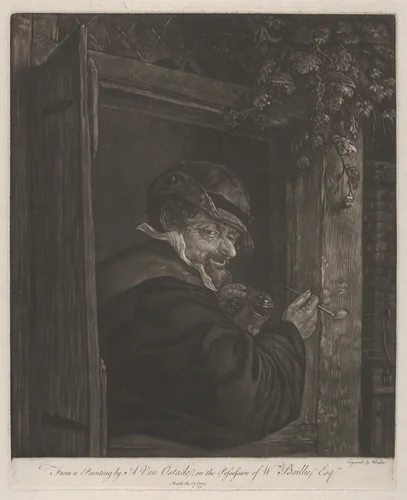
William Baillie (1723-1810) was an Irish artist and printmaker whose focused body of work established him as a significant figure in eighteenth-century British graphic arts. Although his life spanned the transition into the nineteenth century, Baillie’s recorded artistic activity concentrated between 1733 and 1774. His production, comprising approximately fifteen known plates, secured his work within major international repositories, including the Rijksmuseum and the Metropolitan Museum of Art. Baillie’s importance lies not merely in his original output but in his profound dedication to the accurate and masterful reproduction of Old Master works, thereby influencing British taste and artistic study for generations.
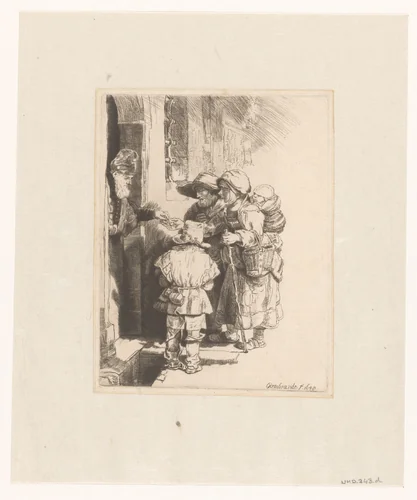
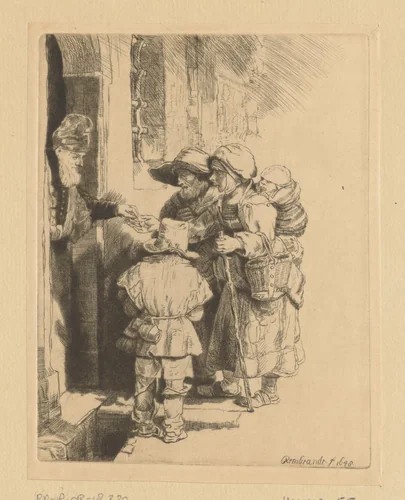
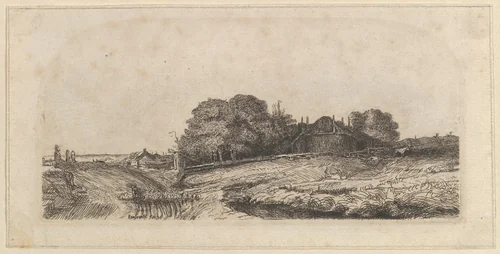
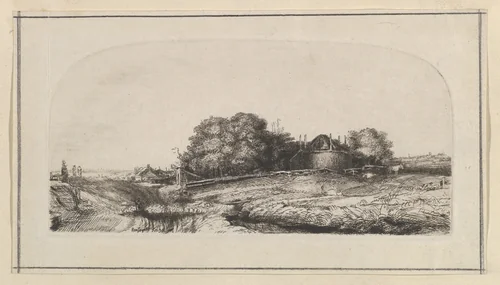
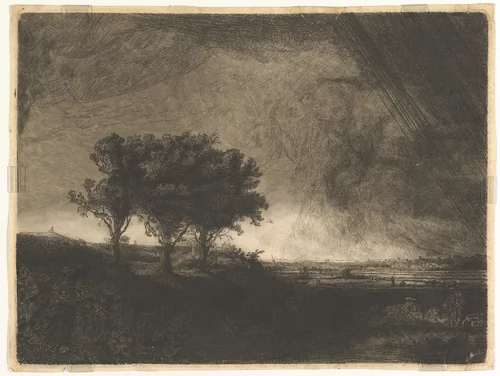
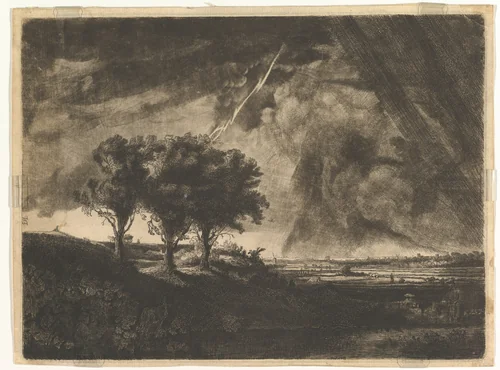
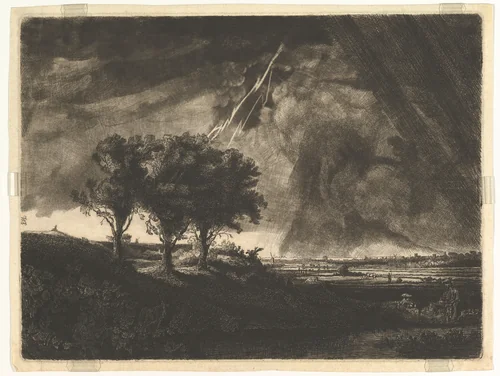
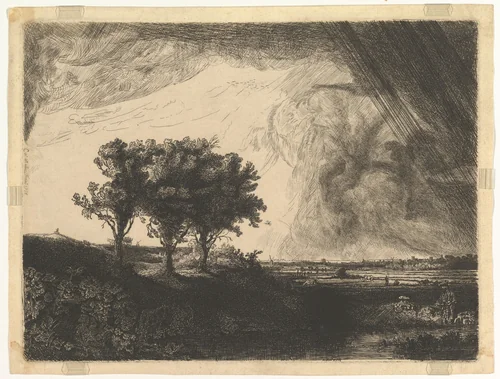
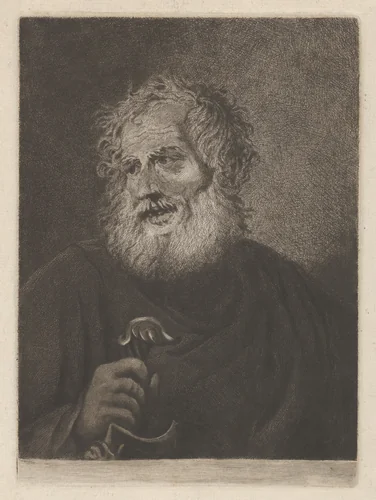
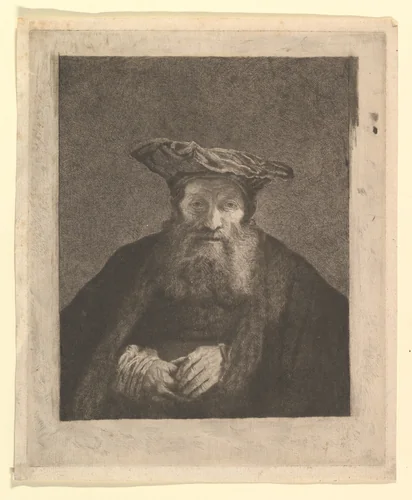
Baillie’s practice demonstrated a dual commitment to original compositions and technical replication. His original output included sensitive renderings of everyday life, exemplified by genre studies such as A blind hurdy-gurdy player and family receiving alms. However, his most technically demanding work involved the graphic works of Rembrandt van Rijn. Baillie applied himself diligently to studying and copying Rembrandt’s etchings, becoming renowned for his ability to capture the complex tonal depth and subtle chiaroscuro that defined the Dutch master’s prints. His widely circulated rendition of The Three Trees, after Rembrandt required exceptional technical acumen and remains one of his defining achievements. On occasion, Baillie even undertook the ambitious and sometimes contentious task of reworking, completing, or “restoring” plates that Rembrandt had left unfinished, a process that speaks both to his skill and his desire to preserve these historic compositions.
Interestingly, Baillie maintained an active career as a lieutenant-colonel in the British military while simultaneously cultivating his artistic practice as a highly regarded engraver. This unusual juxtaposition of military discipline and artistic precision perhaps informed the exacting quality of his technique. His contributions were essential in disseminating the visual language of the Continent’s great masters throughout Britain at a time when original paintings were rarely seen. Thanks to his efforts, scholars and collectors gained access to museum-quality graphic works. Today, the technical merit of William Baillie prints ensures their continued relevance, and many of these historically important plates are now preserved and available in the public domain, often as downloadable artwork used for academic study.
Source: Wikipedia · CC BY-SA 4.0