Willem Witsen
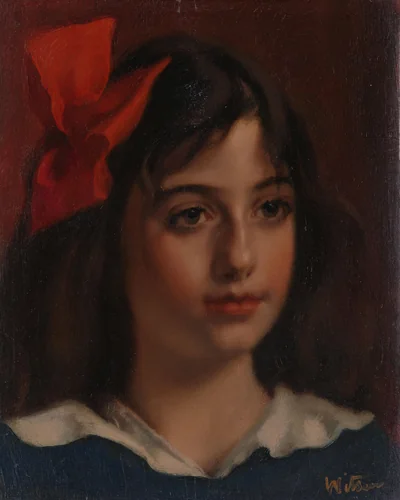
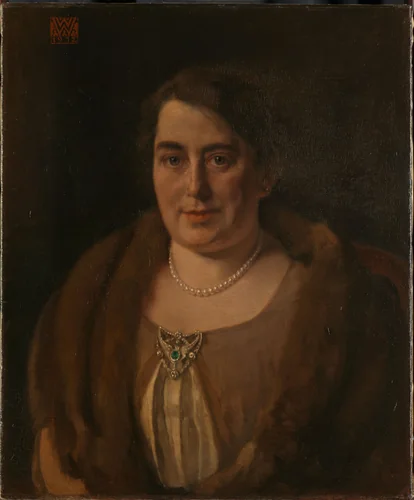
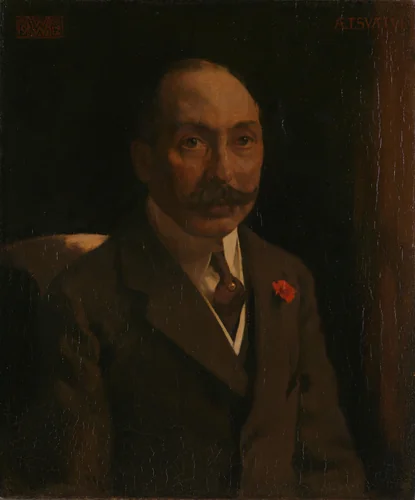
Willem Arnoldus Witsen (1860-1923) was a central figure in Dutch visual culture at the turn of the twentieth century, recognized equally as a painter, draftsman, and photographer. Closely associated with the Amsterdam Impressionism movement, Witsen developed a distinctive, often contemplative aesthetic that skillfully synthesized traditional Dutch realism with the emerging influences of international art, securing his place in collections ranging from the Rijksmuseum to the Art Institute of Chicago.
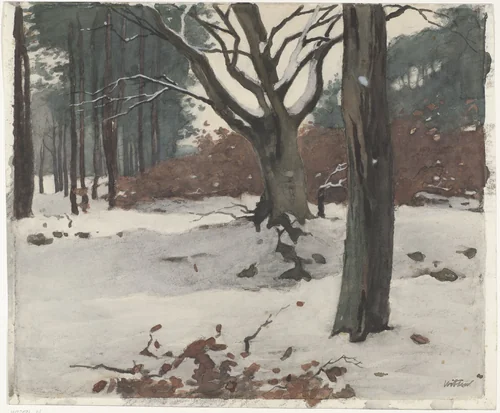
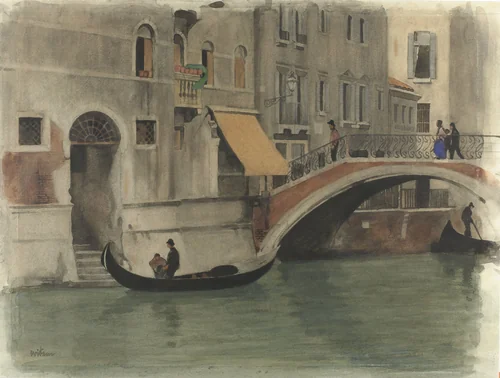
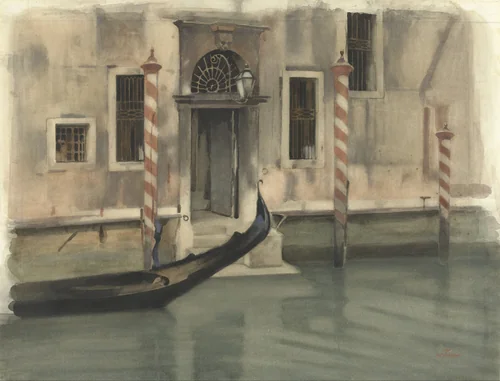
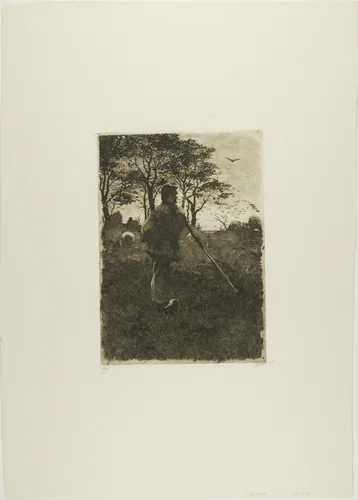
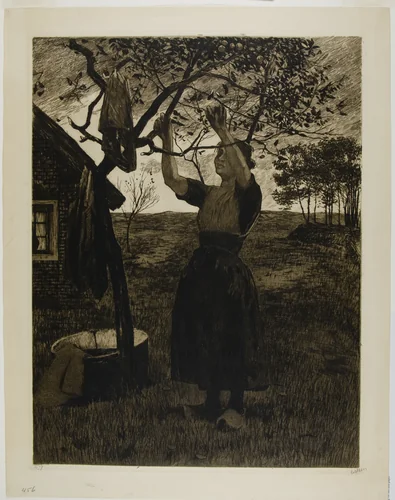
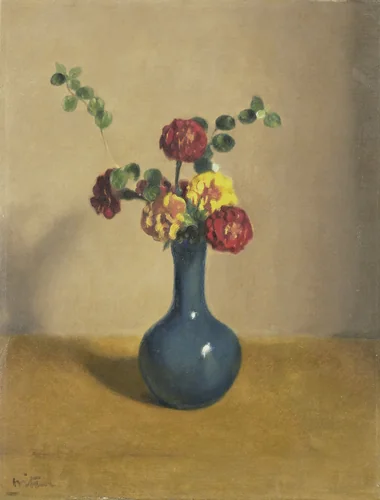
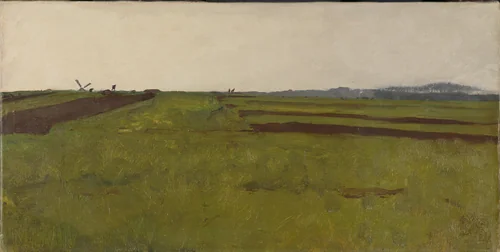
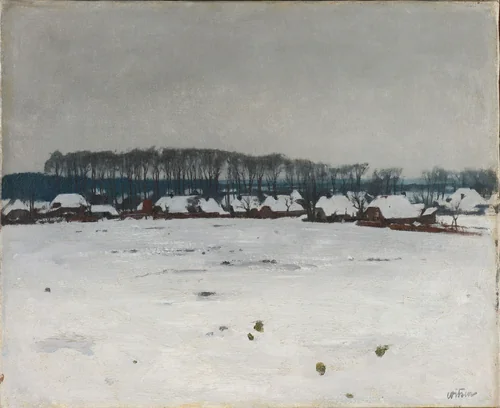
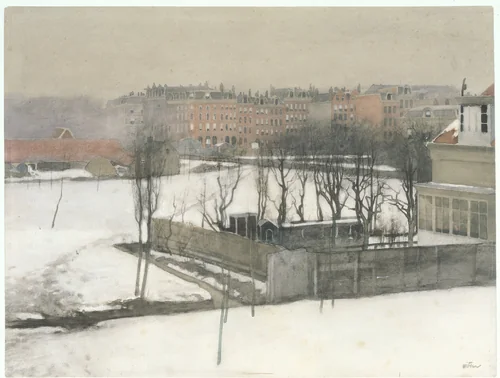
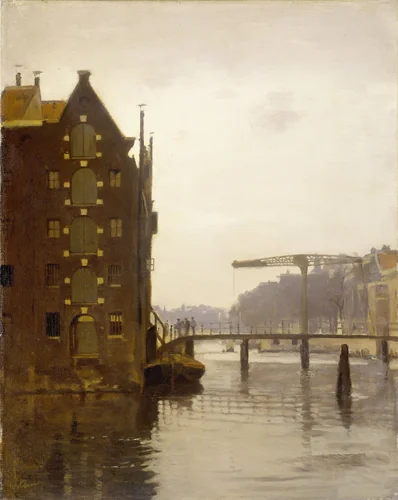
Witsen’s painted oeuvre is marked by its quiet atmospheric quality, a stylistic approach strongly informed by the tonal subtlety and compositional refinement of James McNeill Whistler. This influence manifests most clearly in his depictions of urban spaces. He specialized in rendering the stillness and muted light of cityscapes, capturing familiar scenes, such as the waterways of Italy in works like Brug over een kanaal te Venetië and Kanaal te Venetië, with a reserved melancholy. Yet, his gaze extended beyond the cosmopolitan, embracing the poetry of agricultural existence, explored in studies of landscape and rural labor like Sheepherder and the stark, wintery clarity of Bomen in de sneeuw.
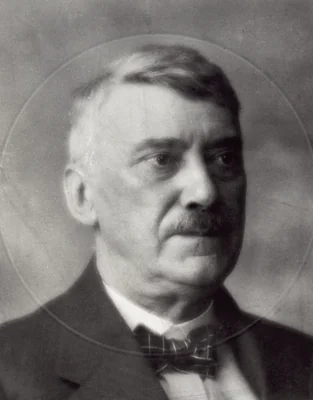
Witsen was unique among his contemporaries for his equally rigorous devotion to photography. This technical practice served dual purposes: providing detailed references for his paintings while simultaneously resulting in a powerful independent body of portraiture. Through his lens, he created an invaluable photographic record of the era, capturing many leading personalities within the Amsterdam art world. Interestingly, his skill extended beyond his local circle, resulting in a rare and compelling photographic portrait of the French Symbolist poet, Paul Verlaine.
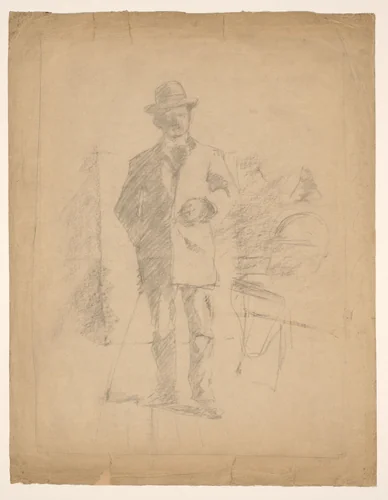
The dual nature of Witsen's output, spanning detailed drawings like Staande man van voren gezien and his emotionally resonant paintings, confirms his status as a major contributor to Dutch modernism. The continued significance of his body of work means that many of these compositions are now readily available as high-quality prints. With several works residing in the public domain, the evocative atmosphere captured in Willem Witsen paintings and prints remains accessible for study and appreciation, defining a moment of measured elegance in art history.
Source: Wikipedia · CC BY-SA 4.0