Willem van Swanenburg
Willem van Swanenburg was a printmaker whose professional activity is documented between 1605 and 1606. His surviving works, held in major institutions, consist of fifteen prints, establishing a clear focus on specific allegorical and moral themes during this brief period. These works are preserved in collections such as the Metropolitan Museum of Art.
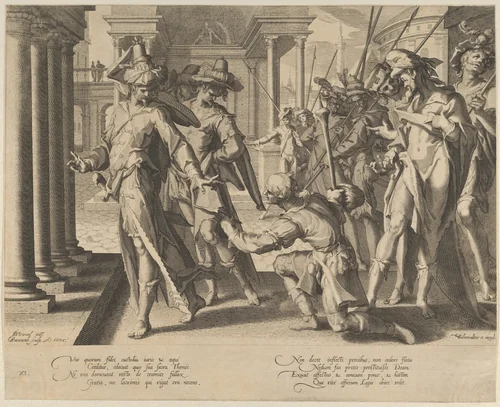
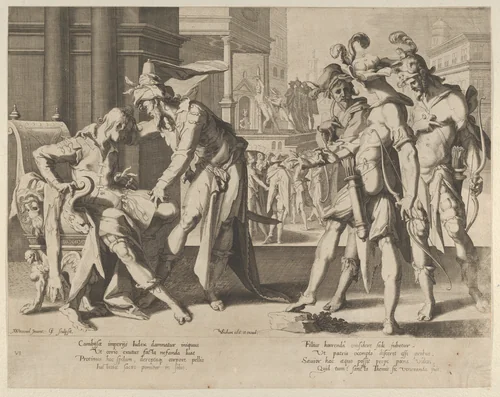
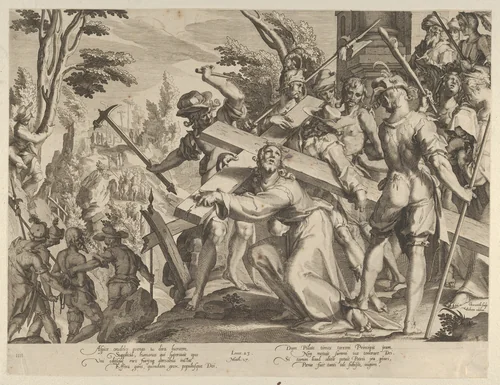
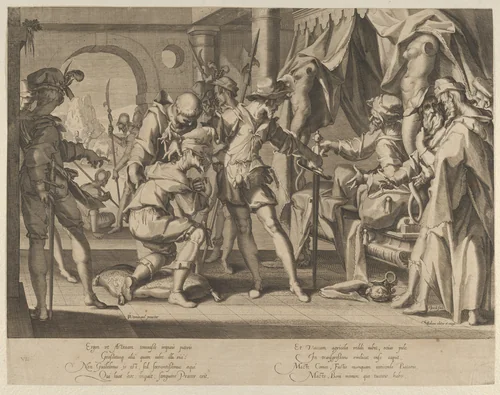
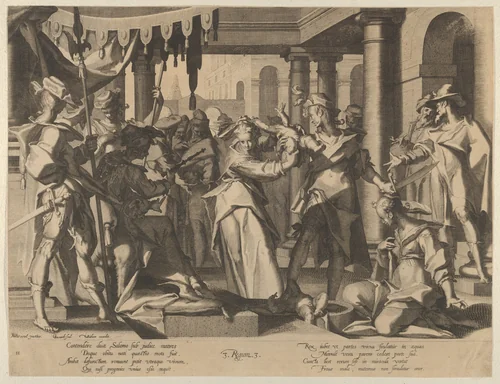
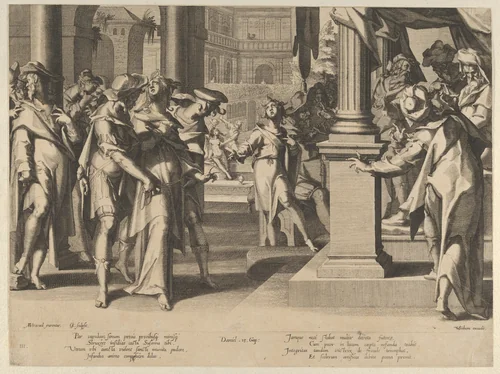
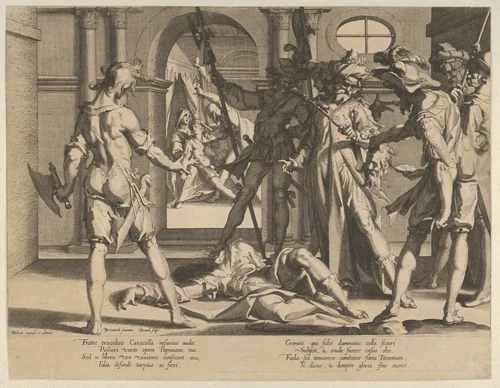
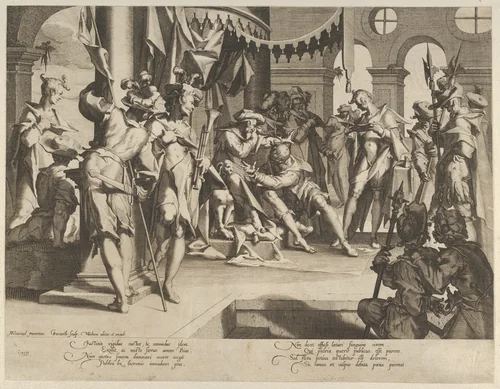
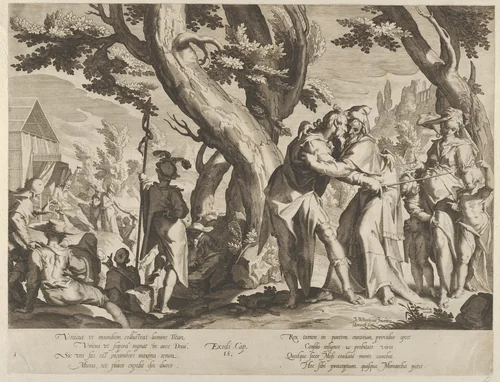
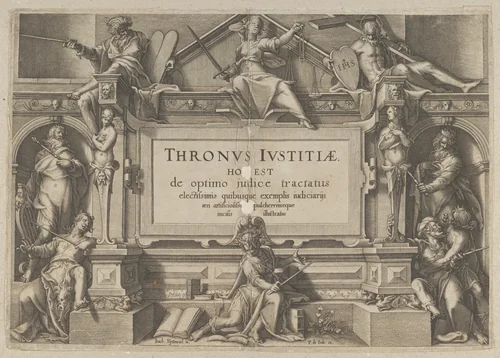
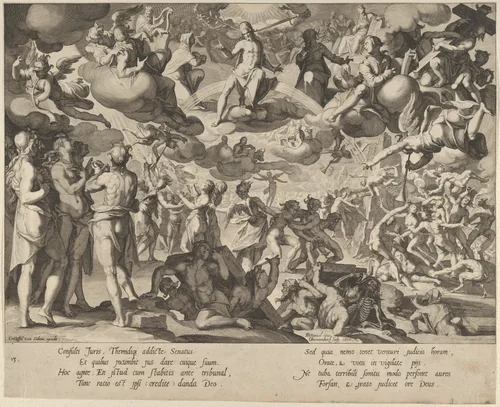
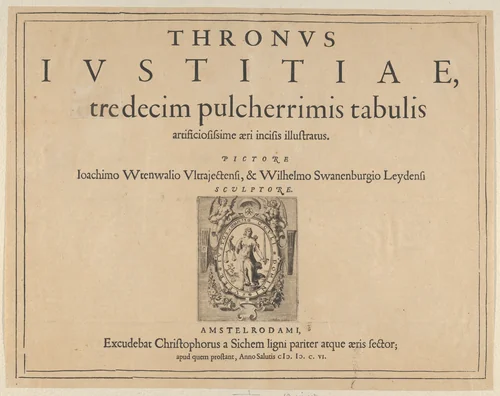
Swanenburg is recognized primarily for his involvement in the series Thronus Justitiae, tredecim pulcherrimus tabulis..., a collection dedicated to the principles of justice and judgment. The subjects, drawn from historical narrative and allegory, provide detailed insight into early 17th-century European concepts of law.
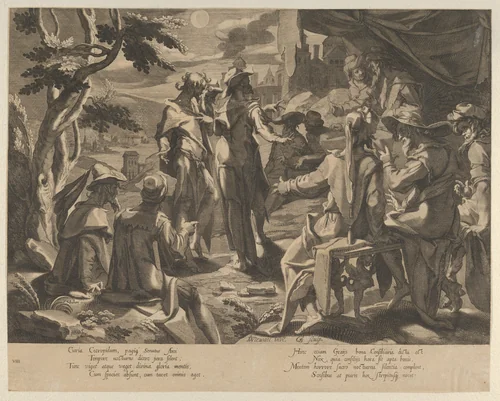
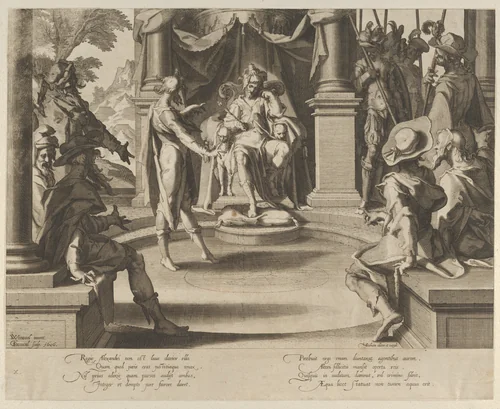
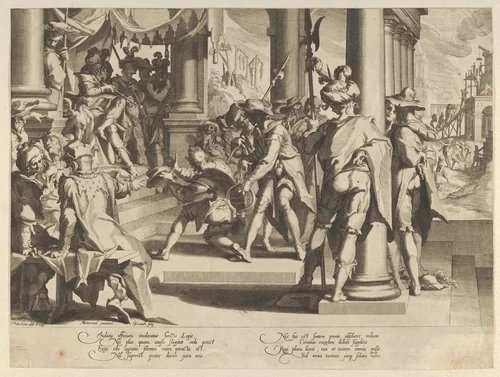
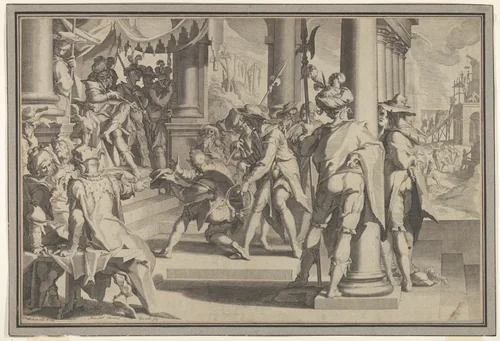
Representative examples from the series include the dramatic narrative scene A Moonlit scene depicting the Areopagite judged of Athens, and the historical reference Alexander the Great as a Judge. Further works, such as Allegory of Justice (Sanctity of the Law) with a court scene depicting a man being pardoned by a judge, reinforce the series’ consistent focus on the divine and societal execution of the law.
The surviving Willem van Swanenburg prints are notable examples of early modern printmaking. Today, the high-quality prints derived from these historical engravings often reside in the public domain, ensuring continued accessibility and study.
Source: Wikipedia · CC BY-SA 4.0