Willem van Mieris
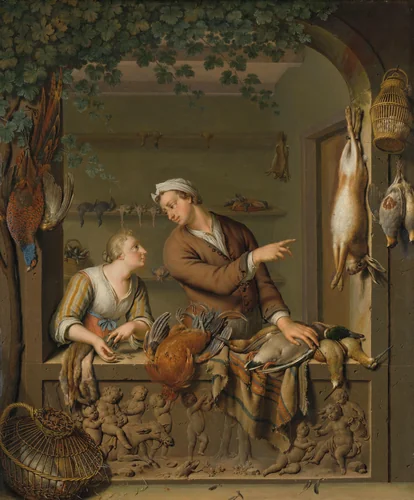
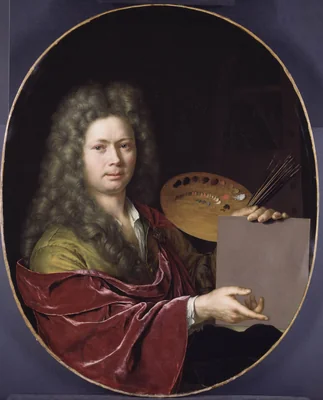
Willem van Mieris (1660-1747) was a prominent 18th-century painter from the Dutch Republic whose remarkably long career bridged the aesthetics of high Baroque drama with the growing interests of early Neoclassicism. Active across six decades, from the late 1670s until his final years, van Mieris achieved significant recognition primarily through history painting, though his command of drawing and etching provided the foundation for his most ambitious compositions.
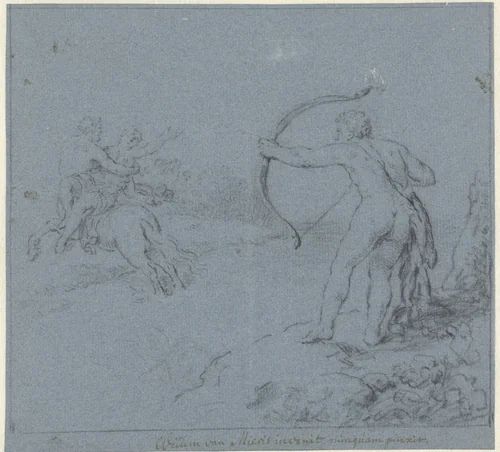
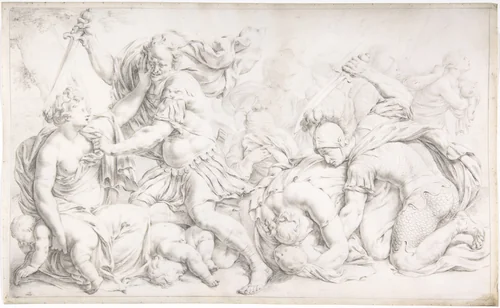
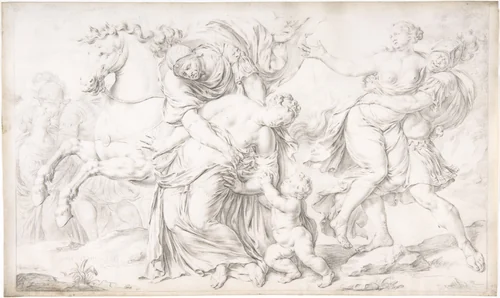
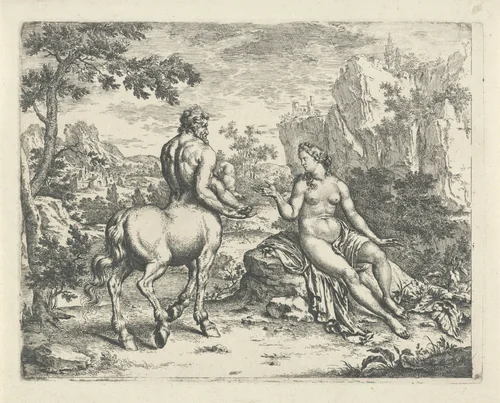
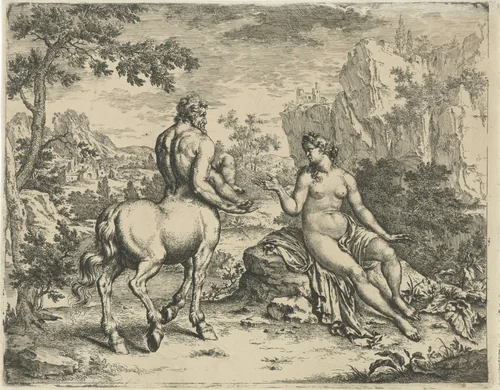
His body of work, comprising paintings, prints, and detailed preparatory drawings, reveals a sustained commitment to classical and mythological narratives. Unlike many contemporary Dutch artists who focused on quiet domestic genre scenes, van Mieris consistently sought out moments of high tension and physical conflict, demanding technical precision and dramatic flair. Key examples include the violent, large-scale historical scene Massacre of the Innocents, and the vigorous mythological confrontation depicted in Hercules richt zijn pijl op Nessus die Deïanira ontvoert. These works demonstrate his skill in marshaling crowded figures and rendering complex anatomical poses.
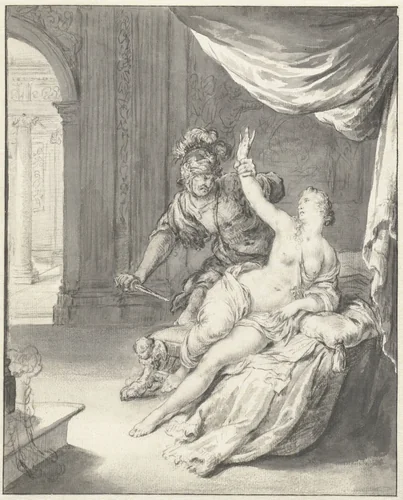
The artist’s approach to line and form reflects the refined fijnschilder tradition, emphasizing meticulous detail even in the most tumultuous narratives. Whether treating the legendary foundation of Rome in The Rape of the Sabines or the intense psychological threat in Tarquinius bedreigt Lucretia, van Mieris prioritized clarity and a high finish. While the artistic currents of the 18th century shifted dramatically around him, van Mieris exhibited a unique stylistic consistency throughout his working life, suggesting a powerful conviction in the enduring value of classical storytelling.
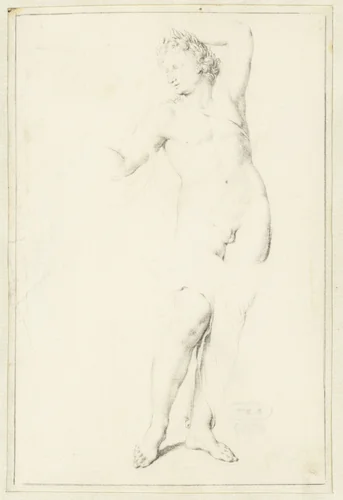
His enduring technical mastery ensures that examples of Willem van Mieris prints and drawings remain highly valued today. His works are represented in significant international institutions, including the Art Institute of Chicago, the Cleveland Museum of Art, and the Metropolitan Museum of Art, where they contribute essential context to the final epoch of Dutch Golden Age traditions. Furthermore, many of his graphic studies, such as the focused rendering Staande Apollo, de linkerarm omhoog, now reside within the public domain, making high-quality prints and downloadable artwork available for research and study across the globe.
Source: Wikipedia · CC BY-SA 4.0