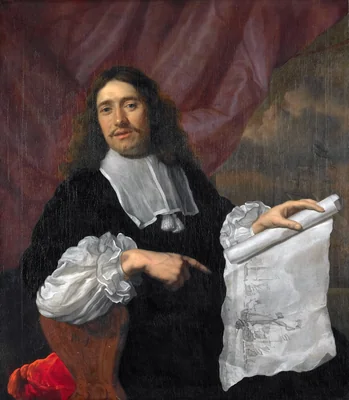
Willem van de Velde
Willem van de Velde the Elder (c. 1611-1693) holds a singular place in the history of the Dutch Golden Age, defined by his innovative role as a marine artist and chronicler of naval power. His early career established him not merely as a seascape painter, but as a technical expert whose precise graphic output provided unprecedented documentation of 17th-century maritime life, a necessity during a period when the Netherlands relied fundamentally on its shipping and naval dominance.
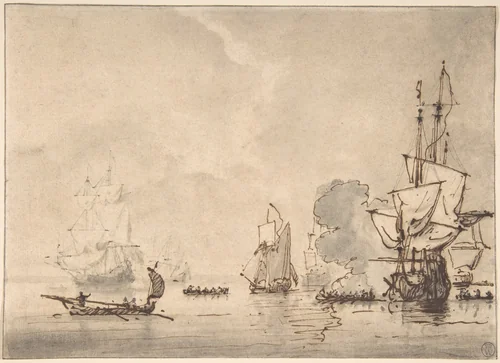
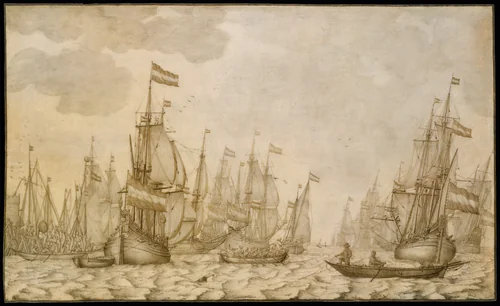
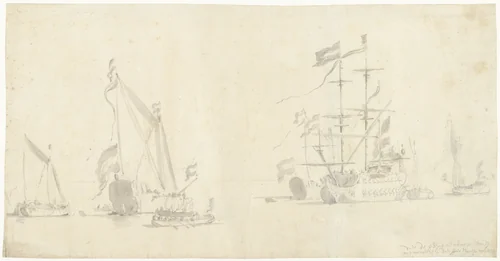
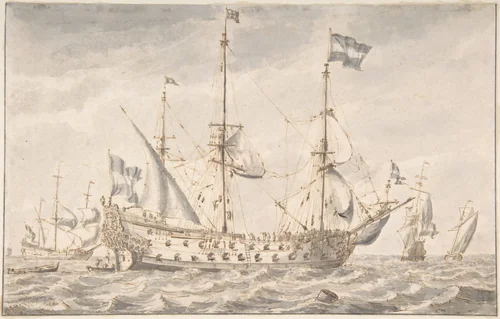
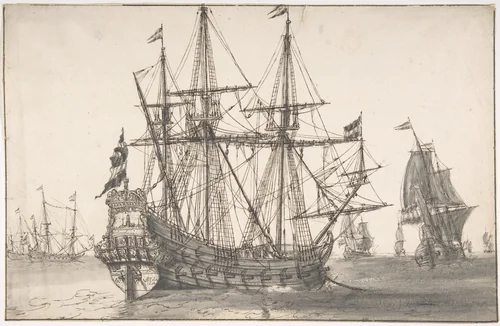
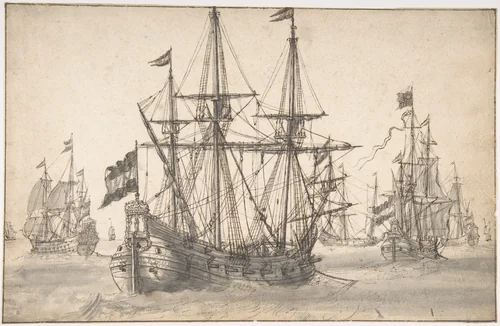
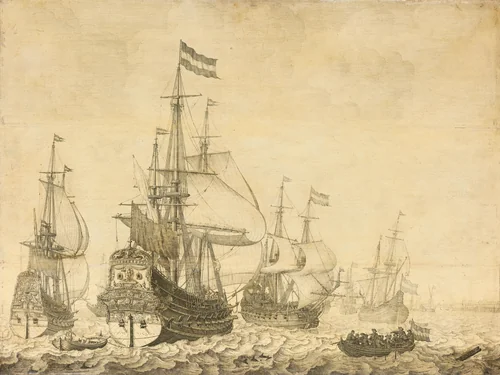
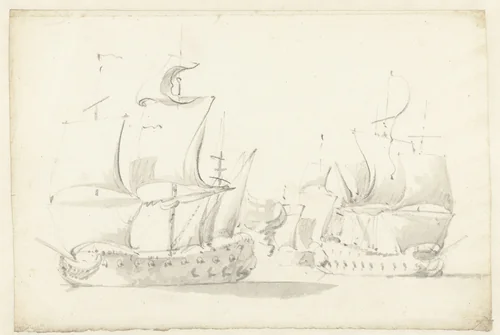
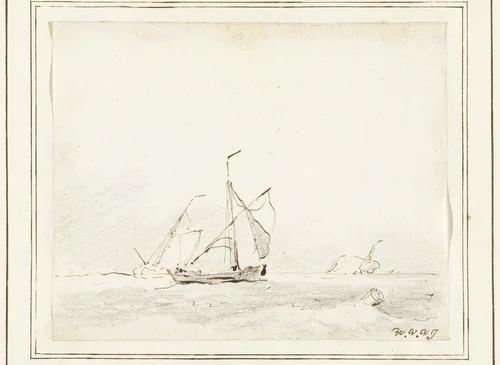
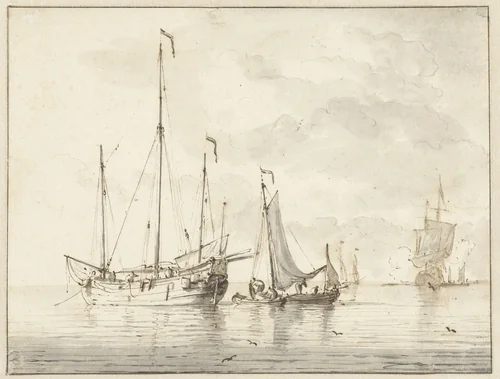
His primary medium initially centered on the penschilderijen, or ink paintings, which displayed an extraordinary command of line and detail, particularly in depicting the complex architecture of large vessels. Unlike many contemporaries who relied on generalized representations, Van de Velde worked with almost scientific accuracy, capturing the precise rigging, hull contours, and atmospheric conditions affecting the fleet. Works such as Dutch Ships on a Harbour and the highly detailed A Frigate at Anchor, Saluting a Nearby Yacht serve both as high-quality artistic interpretations and invaluable historical records. Though celebrated for these unique ink paintings and the myriad extant Willem van de Velde prints derived from them, he later learned to utilize oil paints, a medium that gained prominence through the success of his son, Willem van de Velde the Younger.
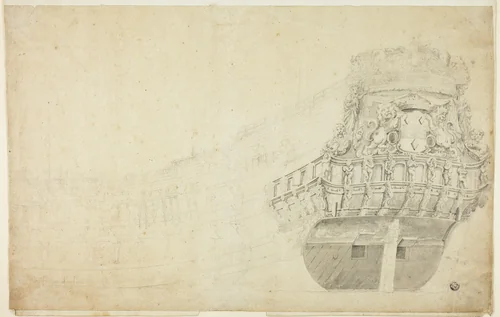
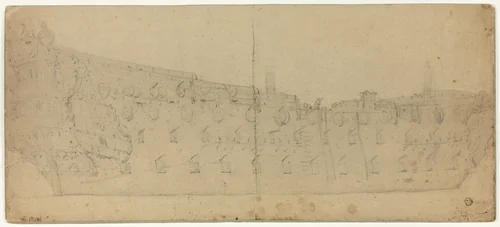
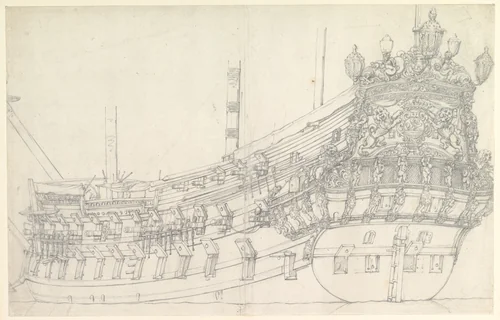
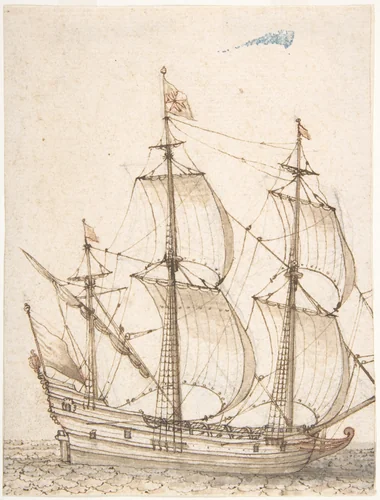
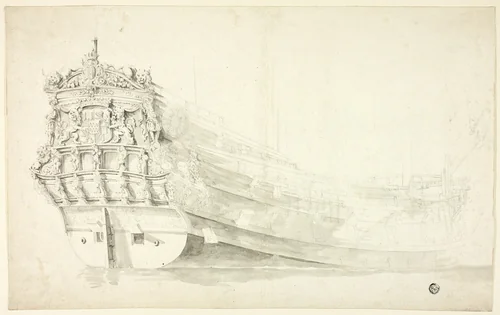
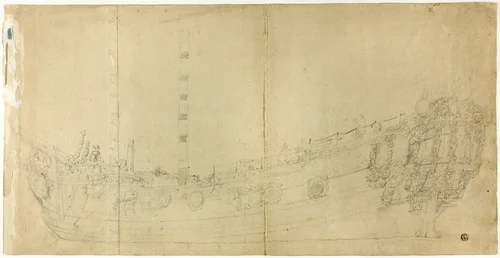
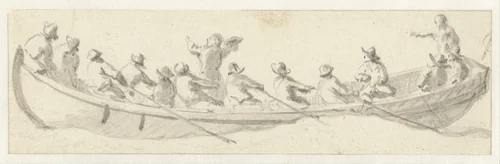
The lasting significance of his work is evident in its widespread collection across major institutions globally, including the Rijksmuseum, the Metropolitan Museum of Art, and the Art Institute of Chicago. It is perhaps an understated observation that Van de Velde’s precision was less about artistic flourish and more about strategic necessity; his detailed drawings functioned as visual intelligence, recording battle maneuvers and state fleet deployments for powerful patrons. This commitment to accuracy, coupled with atmospheric handling, cemented his legacy. Today, Van de Velde’s foundational influence on marine art remains undisputed. His studies, depicting everything from the monumental Side View of Man o' War to smaller sketching like Partial Sketch of a Dutch Vessel Seen from Port Quarter, are frequently in the public domain, offering historians and enthusiasts access to high-quality, downloadable artwork that continues to illuminate the maritime world of the 17th century.
Source: Wikipedia · CC BY-SA 4.0