Willem Schellinks
Willem Schellinks (1623-1678) stands among the most geographically ambitious Dutch artists of the Golden Age. Operating across painting, drawing, and etching, his primary subjects were varied European landscapes and marine views, often imbued with the specificity of a visual travelogue. Unlike many contemporaries who focused exclusively on the Dutch environment, Schellinks transformed himself into a diligent chronicler of the broader continent, a role that distinguished his entire career.
His extensive travels commenced early, evidenced by excursions along the Loire and Seine rivers as early as 1646. However, the definitive period of his cosmopolitan activity occurred between 1661 and 1665. During this span, Schellinks undertook a remarkable, documented journey encompassing England, France, Italy, Malta, Germany, and Switzerland. This sustained exploration resulted not merely in a collection of scenic views but also in a detailed written journal-a vital complement to his visual output, confirming his dual identity as artist and meticulous observer. He possessed the rare ability to merge the technical precision of a cartographer with the atmospheric sensitivity of a master draughtsman.
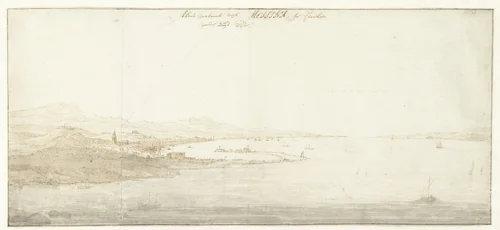
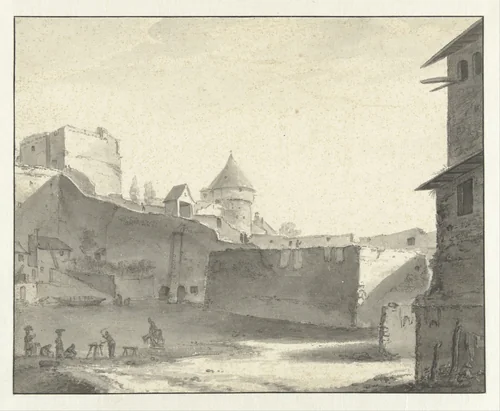
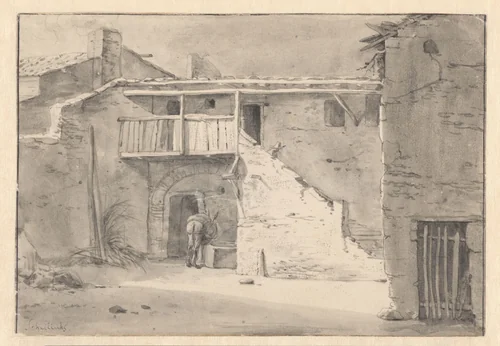
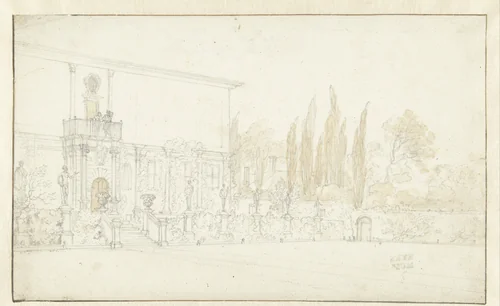
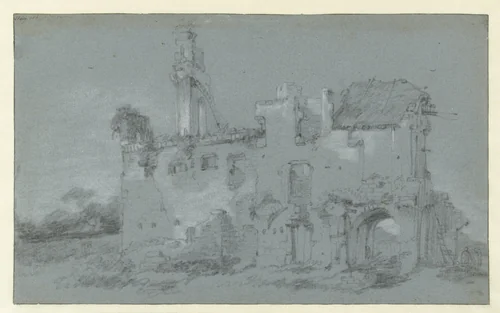
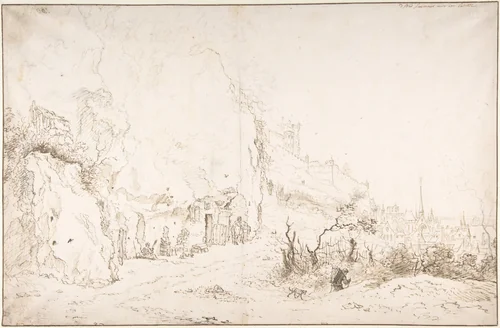
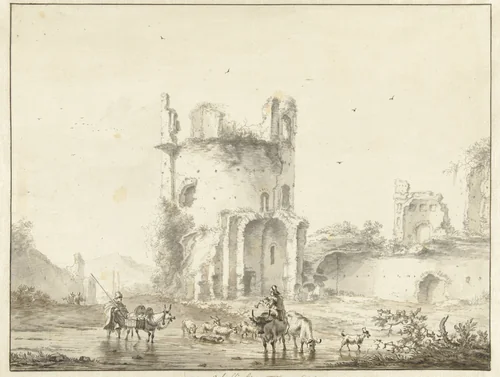
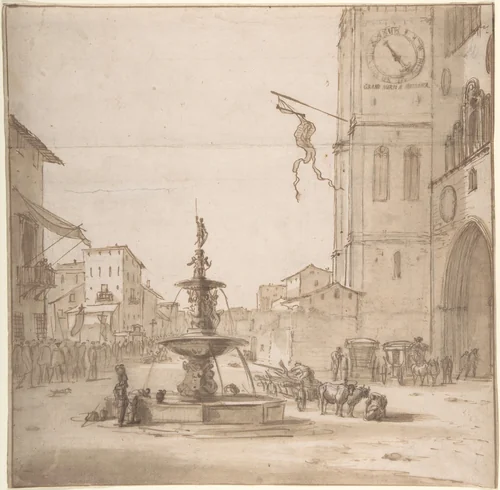
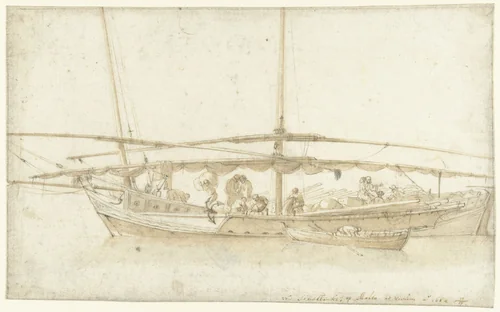
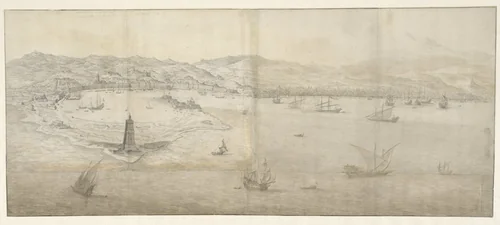
Schellinks’s dedication to capturing varied topography is reflected in the existing works held by institutions such as the Rijksmuseum and the Metropolitan Museum of Art. These include continental records such as the dramatic Gezicht op Messina, Sicilië, the architectural clarity of Gezicht op de brug over de Erdre te Nantes, and localized scenes like Huis met een ezel bij een drinkbak. It is perhaps an understated observation that an artist so rigorously concerned with visual accuracy was also a recognized poet; he saw the world and captured it twice-over, in pigment and in verse.
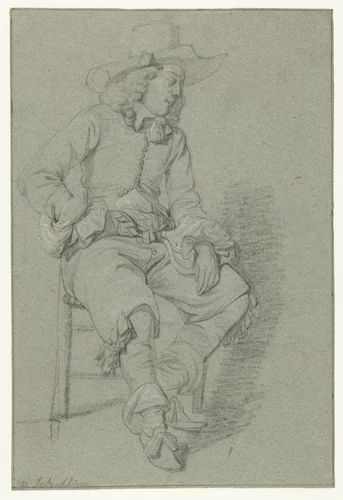
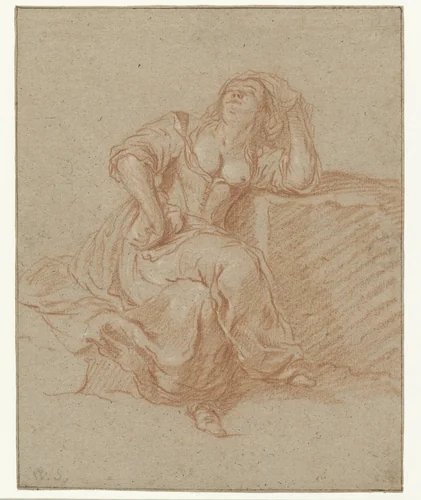
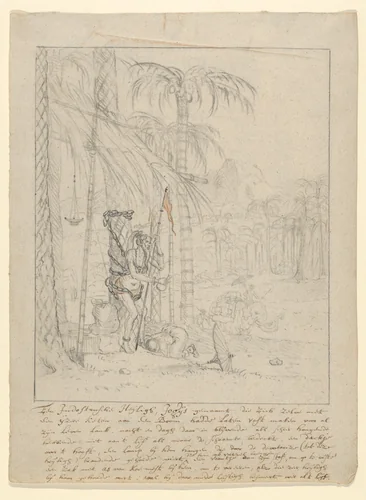
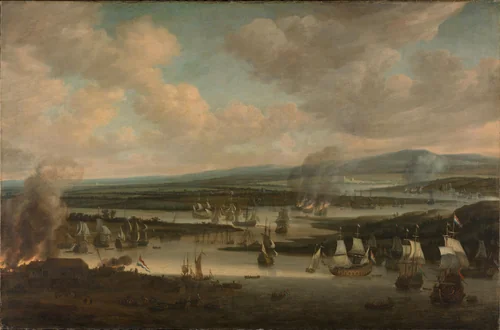
Though his surviving output of Willem Schellinks paintings is limited to a single known example, his prolific drawings, numbering at least fourteen in major collections, provide invaluable insight into 17th-century European geography and infrastructure. The lasting appeal of his objective yet evocative style ensures that high-quality prints and royalty-free reproductions of his detailed works remain widely sought after by collectors and historians today.
Source: Wikipedia · CC BY-SA 4.0