Willem Pietersz Buytewech
Willem Pietersz Buytewech (c. 1591-1624) was a definitive innovator of the Dutch Golden Age, distinguished simultaneously as a prolific draughtsman, etcher, and painter. He holds a significant place among the earliest specialists of the genre subject known as the merry company. This revolutionary type of scene, which moved beyond historical or mythological narratives to focus on contemporary social interactions, often depicted refined gatherings, courtship rituals, and occasionally moral warnings, offering a sophisticated and immensely popular commentary on Dutch urban life.
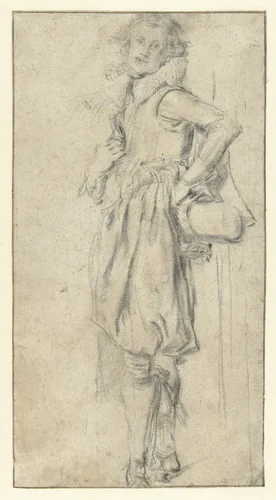
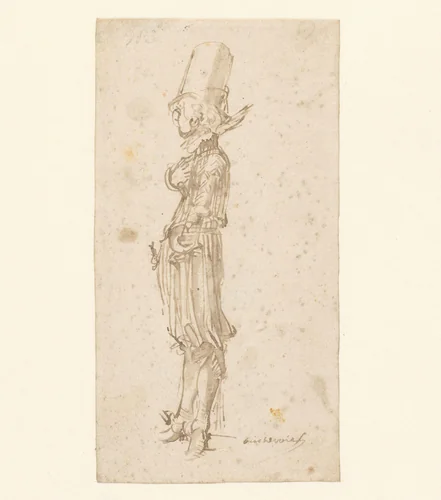
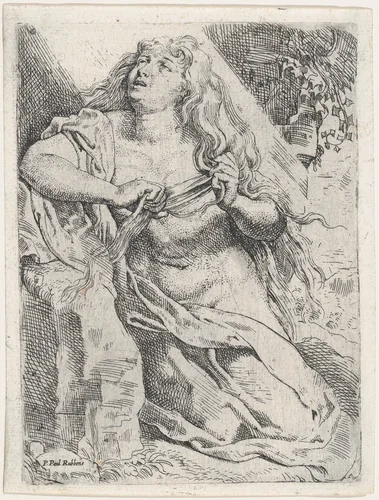
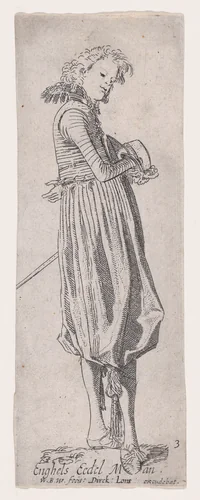
Though his mature professional output was regrettably brief (circa 1600-1611), Buytewech’s influence on subsequent generations of artists, particularly in Haarlem, was profound. His work elevated the genre scene from mere illustration to sophisticated social commentary. Using light, dynamic draughtsmanship, he captured the fashionable excesses and courtly manners of the era in his signature subjects. This skill with line and composition is equally potent in surviving individual drawings, such as Staande jongeman met een hoed in de hand, and in his more traditional devotional prints, including the contemplative Mary Magdalen in the wilderness. His contemporaries, recognizing this particular flair and intellectual engagement that allowed him to infuse both sacred and secular subjects with energy, affectionately bestowed upon him the moniker “Gheestige Willem,” a testament to his innate wit and spirited approach.
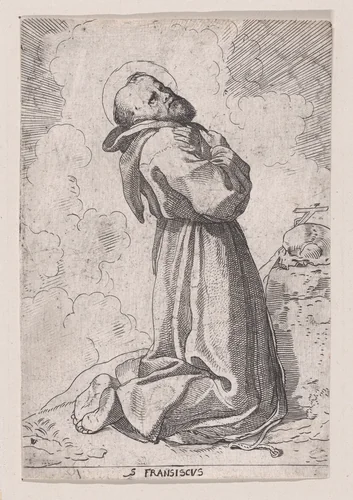
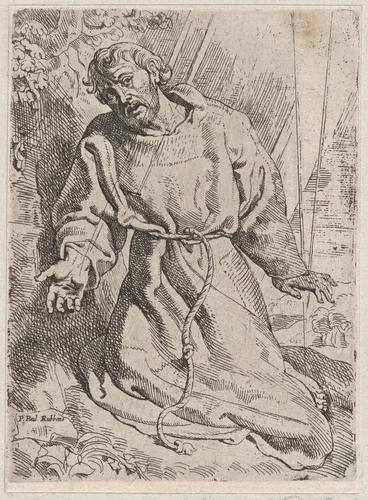
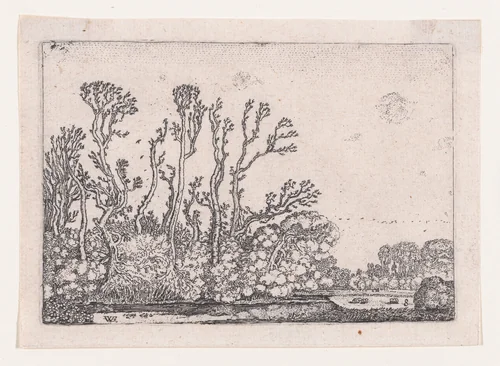
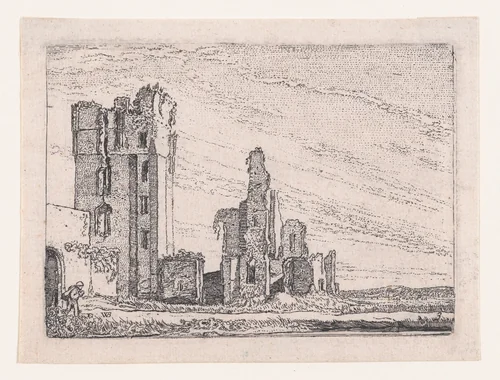
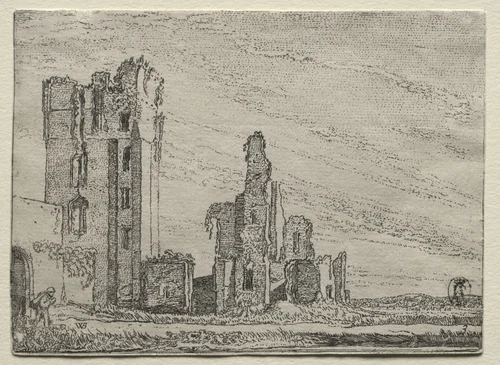
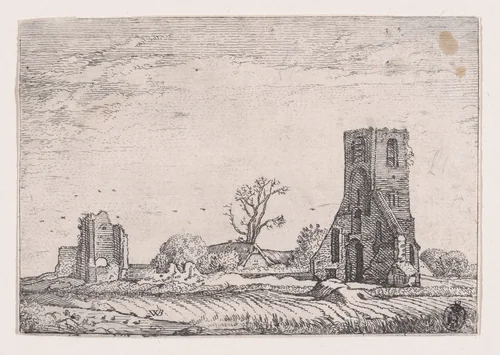
The bulk of Buytewech’s enduring legacy rests on his graphic output. While very few Willem Pietersz Buytewech paintings survive, his powerful and diverse graphic work ensures his historical importance. These detailed studies and narrative scenes, such as the dramatic Saint Francis Receiving the Stigmata, have been carefully preserved in major institutions globally. The breadth of his collection presence, housed in such venues as the Metropolitan Museum of Art, the Rijksmuseum, and the Cleveland Museum of Art, confirms the museum-quality standing of his prints. Due to the early date and sustained historical preservation of his oeuvre, many of the finest Willem Pietersz Buytewech prints are now in the public domain, offering historians and enthusiasts access to high-quality prints and downloadable artwork. This widespread availability ensures his foundational role in establishing the Dutch genre tradition remains accessible and royalty-free for scholars and collectors alike.
Source: Wikipedia · CC BY-SA 4.0