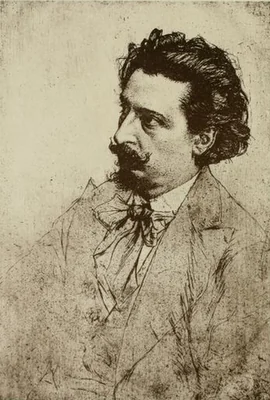
Willem Linnig
Willem Linnig represents a complex and influential dynasty within 19th-century Belgian art, a name shared by two accomplished artists: Willem Linnig the Elder (1819–1885) and his son, Willem Linnig the Younger (1842–1890). Both artists were highly skilled painters and, significantly, proficient engravers, whose careers collectively anchored them within the academic tradition of the period. While the shared designation has occasionally complicated specific attribution, the core output, particularly the prints associated with the active period of 1829–1852, establishes the critical importance of the Elder’s contribution.
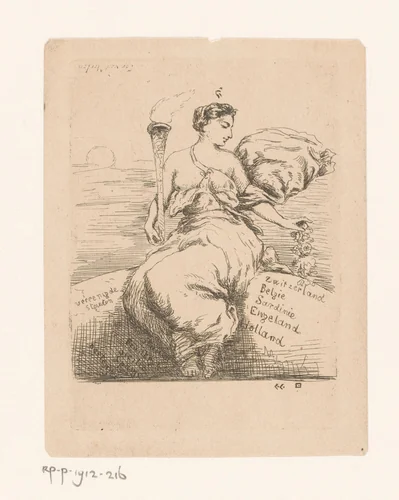
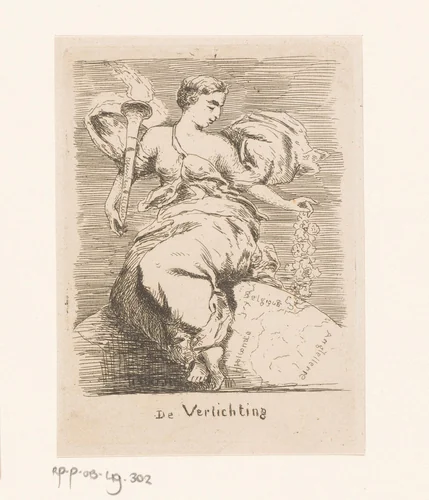
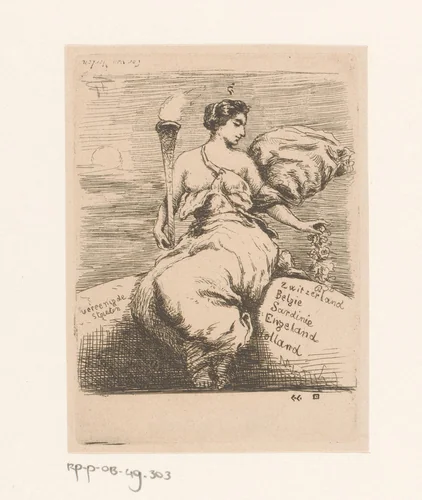
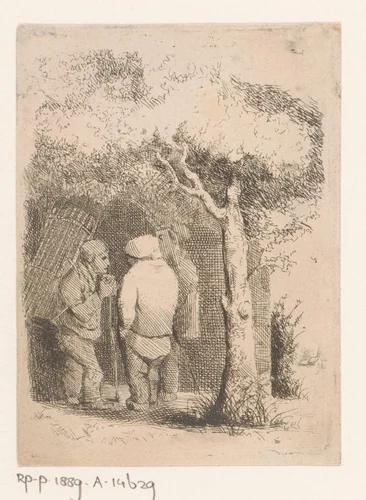
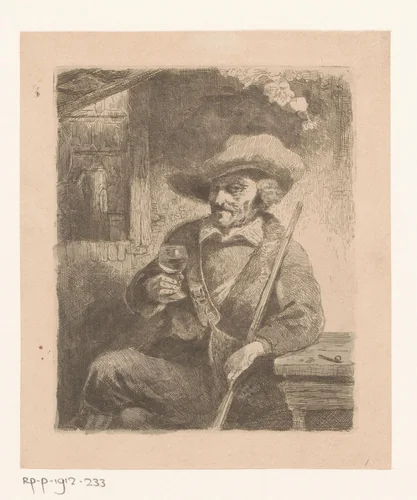
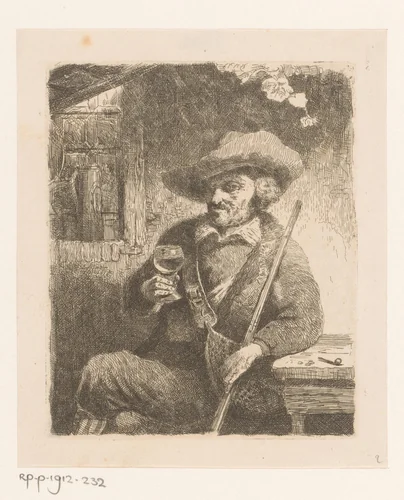
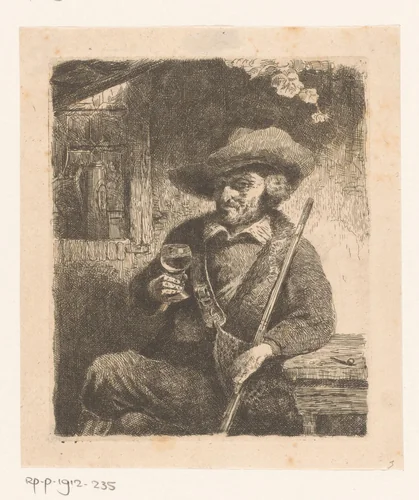
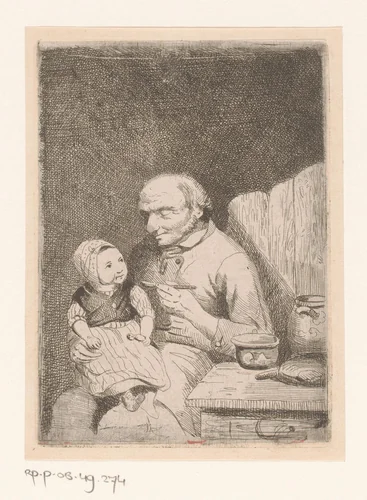
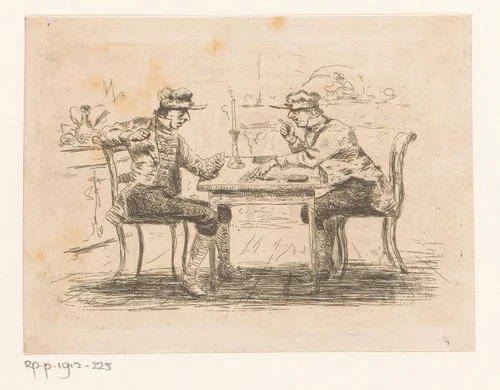
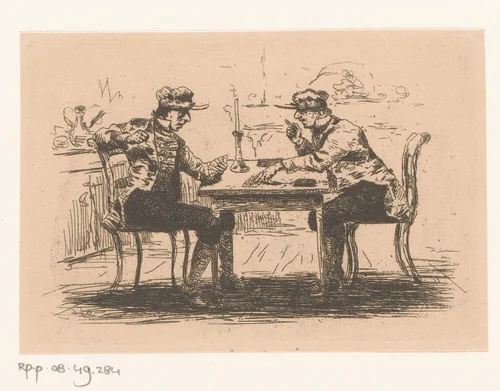
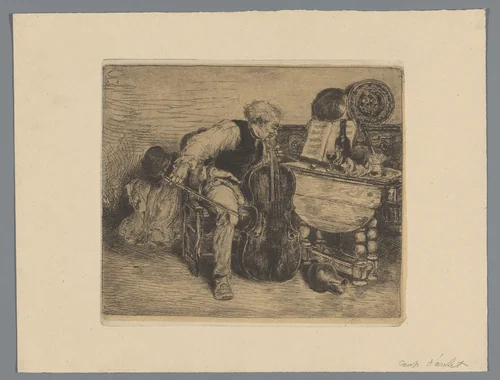
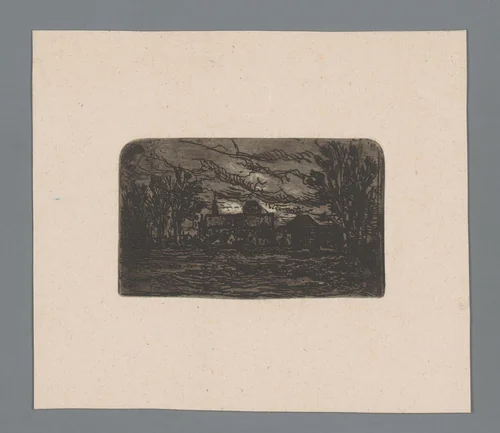
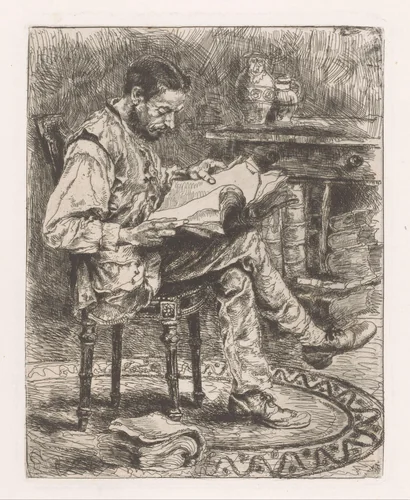
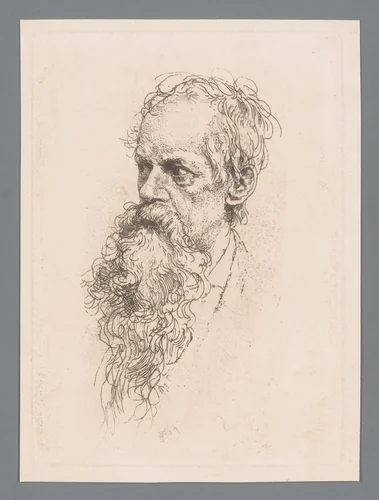
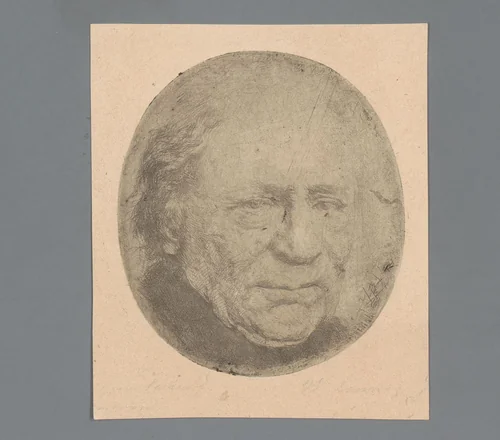
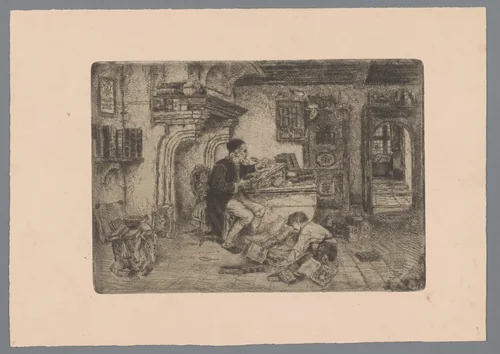
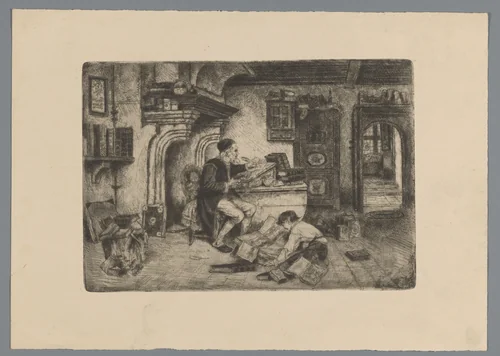
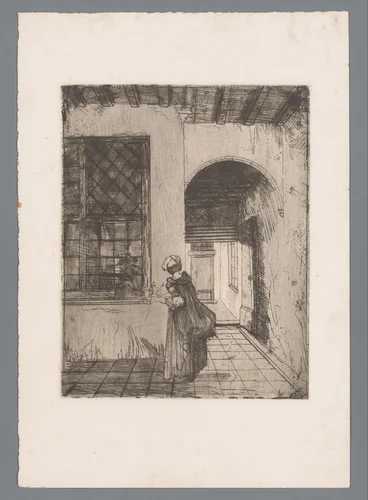
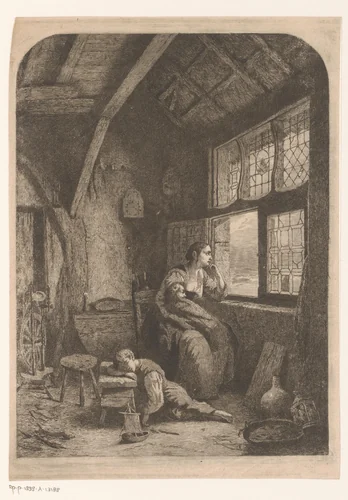
The Elder’s early work, comprising prints now housed in collections such as the Rijksmuseum, demonstrates a dedication to both philosophical subject matter and intimate genre studies. Linnig employed the demanding medium of engraving to produce detailed works, most notably the 15 documented prints. Key among these are multiple iterations of Allegorie op de Verlichting, suggesting an ongoing engagement with the intellectual currents of the Enlightenment as they persisted into the mid-nineteenth century. This thematic rigor stands in contrast to the quiet observation seen in prints like Drie mannen in gesprek and Jager drinkt een glas wijn, which reveal a refined capability for capturing everyday life.
Linnig’s foundational mastery of technique ensured that his artistic output reached a wide audience. The precise and meticulous nature of these works confirms the artist’s prominence among contemporaries creating high-quality prints. The enduring challenge of accurately distinguishing the early works of the Elder from the later collaborations with his son offers a unique insight: the name ‘Willem Linnig’ effectively became less an individual signature and more a hallmark of technical excellence and shared visual language across two generations.
The work of the Linnig family continues to attract scholarly and public attention. Their position in major European archives ensures their enduring visibility. For contemporary researchers, the sustained visibility of these historical assets means many original Willem Linnig prints are now available as downloadable artwork, securing the accessibility of their refined contributions to Belgian art history.
Source: Wikipedia · CC BY-SA 4.0