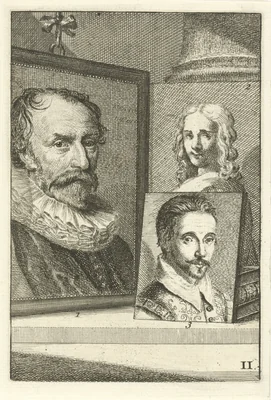
Willem Jacobsz Delff
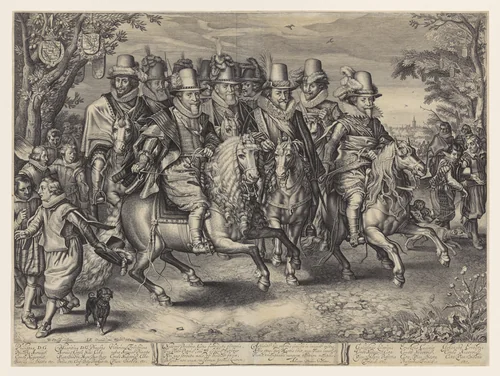
Willem Jacobsz Delff (1580-1618) stands as a foundational Dutch Golden Age master, known primarily for his highly refined practice as an engraver and his activity as a painter. While his career was relatively short-lived, spanning just over two decades, his surviving oeuvre, primarily composed of expertly executed prints, confirms his status as a key interpreter of the political and intellectual elite of the nascent Dutch Republic.
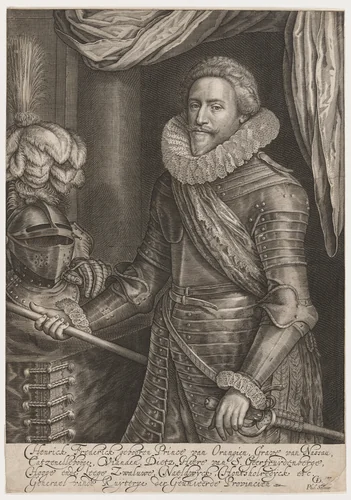
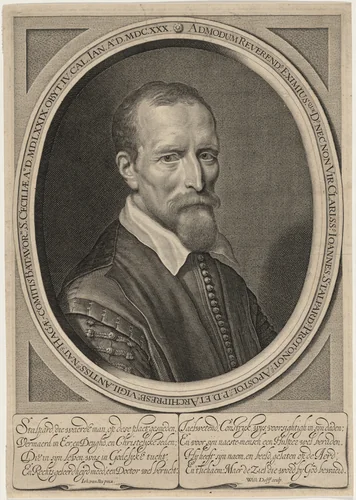
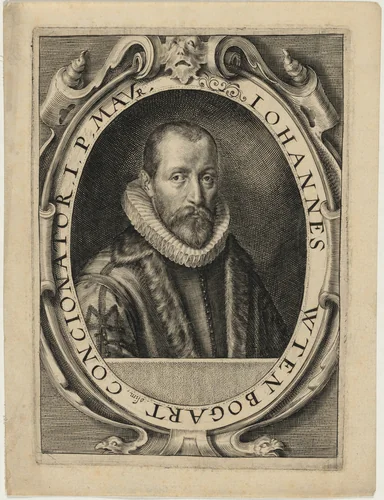
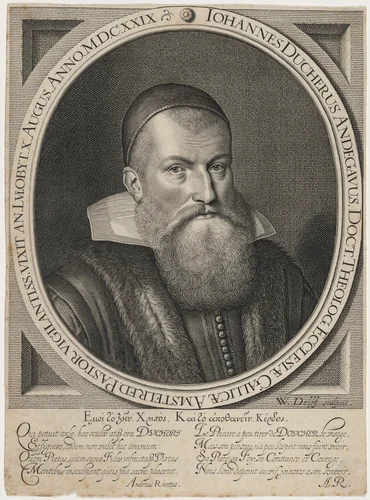
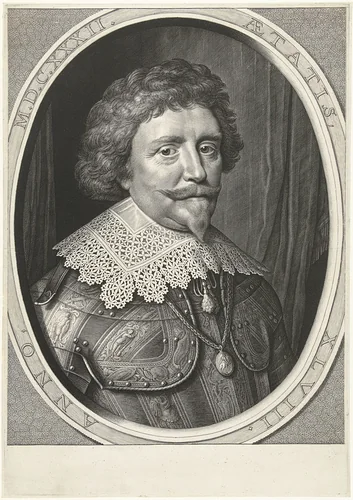
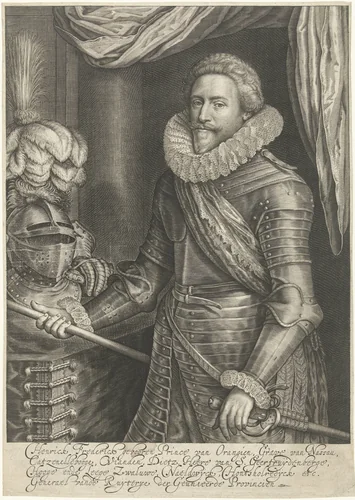
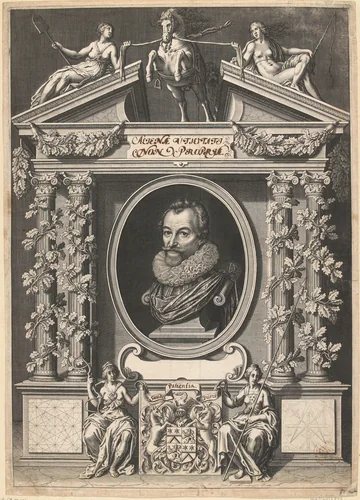
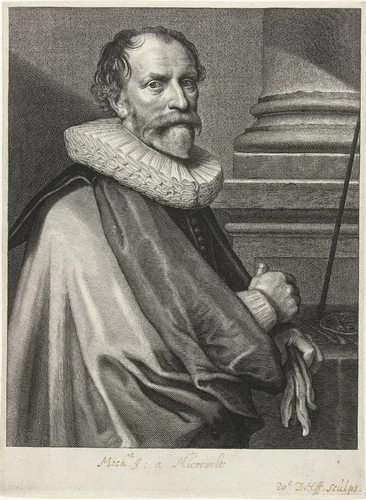
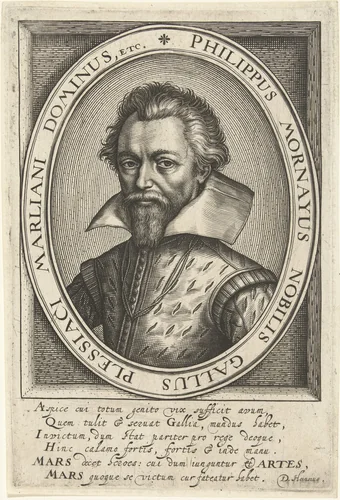
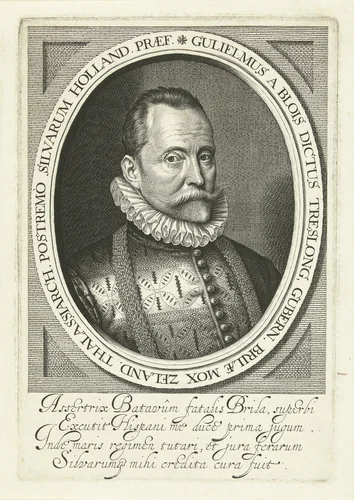
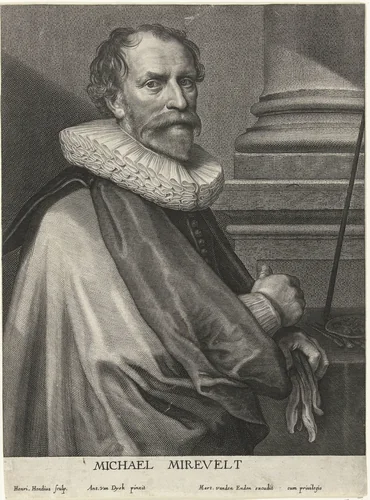
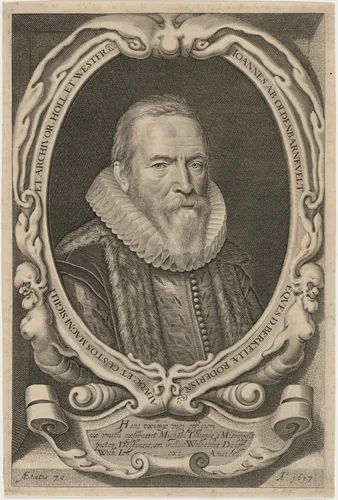
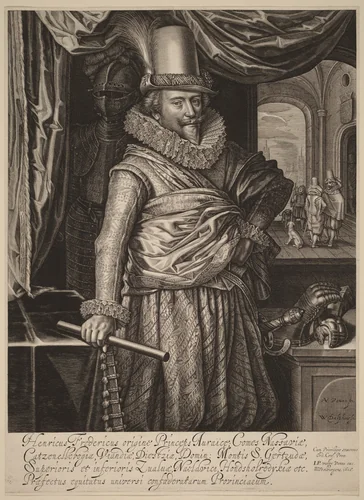
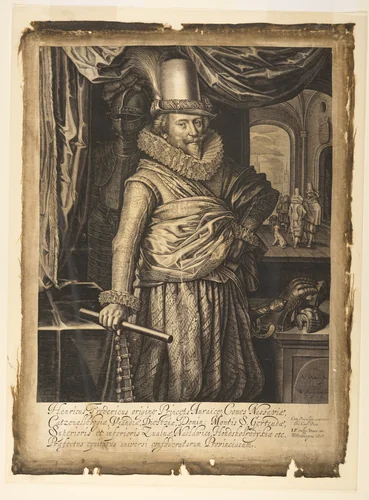
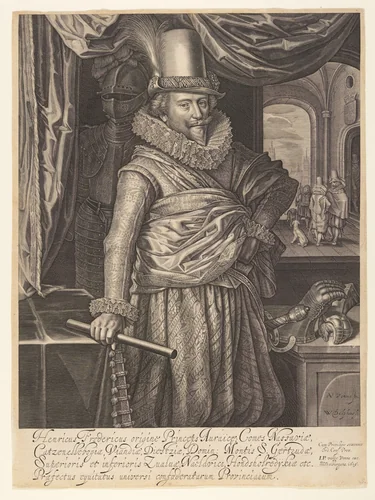
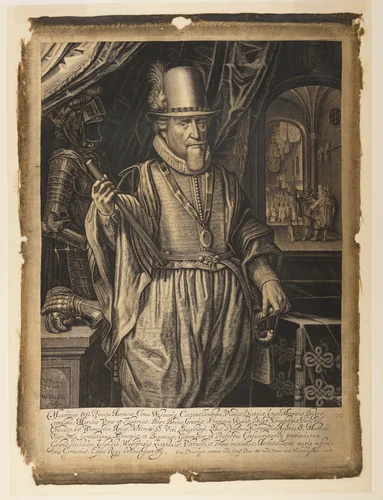
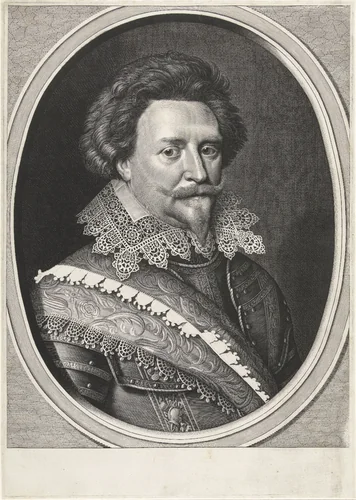
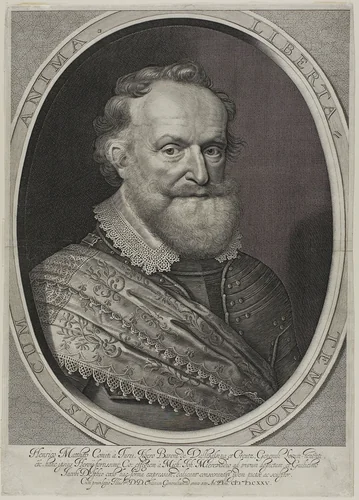
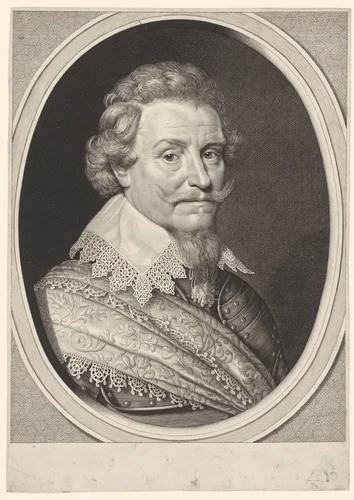
Delff specialized in portraiture, a genre that demanded both technical mastery of the copper plate and an ability to convey the sitter's social standing. His prints served a critical function in the seventeenth century, democratizing access to the likenesses of powerful figures long before modern reproductive technology. His subjects were consistently drawn from the highest tiers of society, including works such as the stately portrait of Frederick Henry, Prince of Orange and images of influential religious thinkers like Johannes Utenbogaert and John Doucher, French Divine. These works are not merely likenesses; they are powerful tools of biographical dissemination and political affirmation.
Remarkably, Delff’s work—which includes nearly fifteen documented prints—maintained a consistent standard of quality, securing institutional placement that few contemporaries could rival. Major collections, including the Rijksmuseum, the National Gallery of Art, and the Art Institute of Chicago, hold significant examples, confirming their enduring museum-quality value. The precision and authoritative gaze captured in these early Willem Jacobsz Delff prints offer a fascinating glimpse into the mechanics of celebrity during this period. It is perhaps wryly amusing that, despite the strict formality required by his high-ranking patrons, the distribution of these images laid the groundwork for the modern age of easily downloadable artwork.
Today, much of his legacy is maintained through the extensive documentation and dissemination efforts of cultural institutions. The intricate line work and historical importance of these compositions mean they are often sought after as high-quality prints. As these original works transition into the public domain, they continue to educate and inspire, ensuring that Delff's influential contribution to graphic art remains accessible for scholarly study and contemporary appreciation.
Source: Wikipedia · CC BY-SA 4.0