Willem Isaacsz. van Swanenburg
Willem Isaacsz. van Swanenburg was a central figure among the Dutch Golden Age engravers, active primarily between 1595 and 1610. Born into a distinguished artistic dynasty in Leiden, he was the youngest son of Isaac van Swanenburg, a polymath who excelled in painting, print design, and stained glass creation. This familial context structured Willem’s early career, which operated less as an independent studio and more as a highly efficient, multi-generational workshop dedicated to meeting the diverse demands of the burgeoning northern European print market.
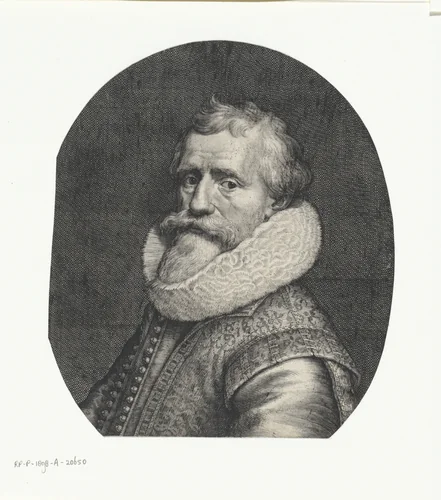
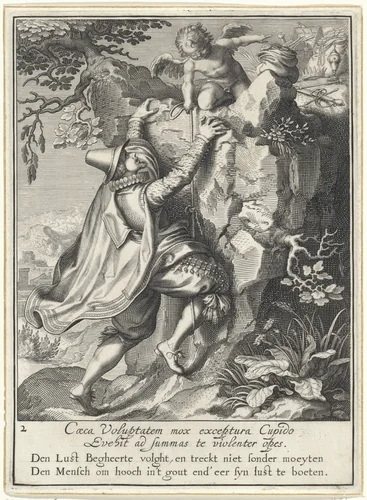
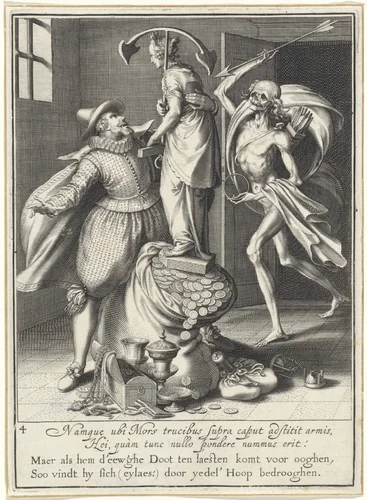
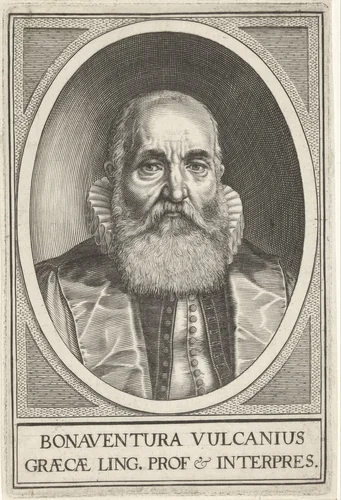
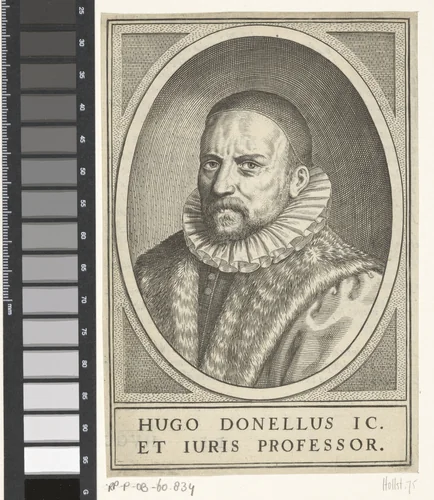
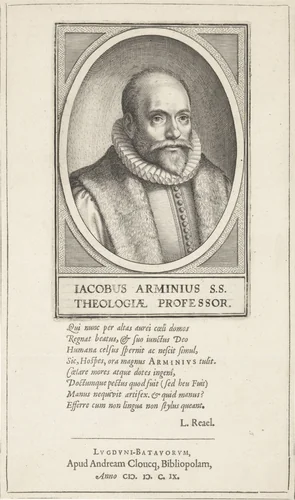
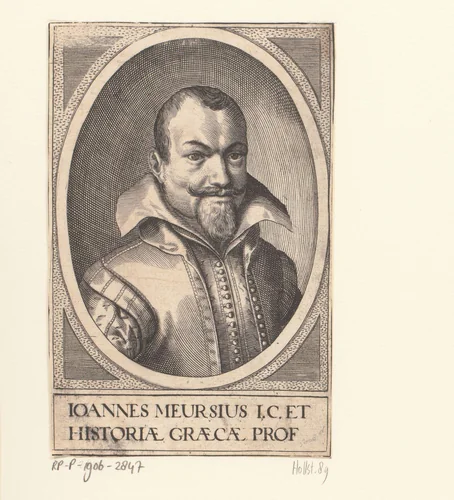
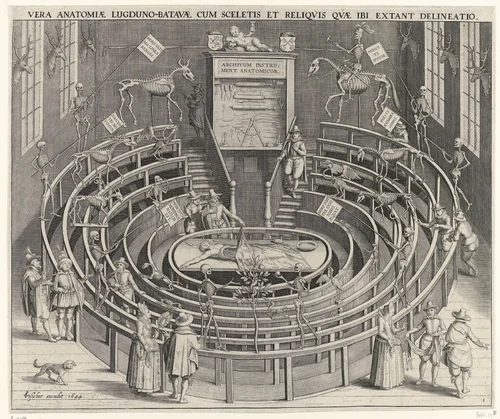
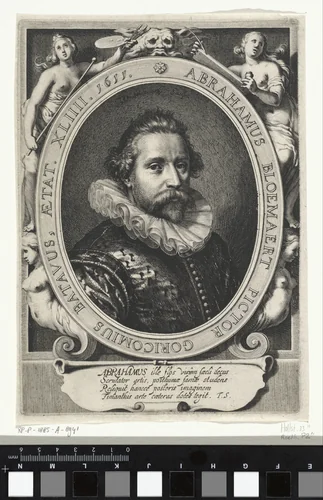
Isaac van Swanenburg successfully instilled professional rigor in all three of his sons, who pursued professional careers in the arts. Willem Isaacsz. focused his skill almost exclusively on the copperplate, contributing approximately fifteen known high-quality prints to the period’s visual culture. His work reflects the necessary versatility of the era, encompassing religious scenes, genre work, and formal portraits, such as the dignified Portret van Paulus Moreelse.
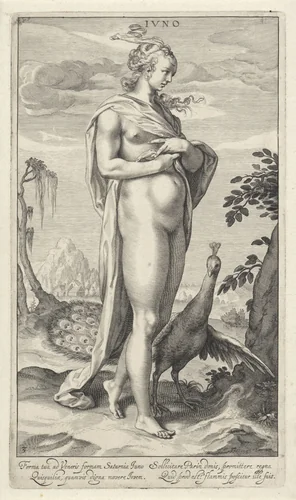
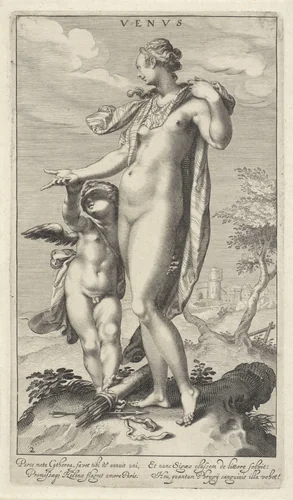
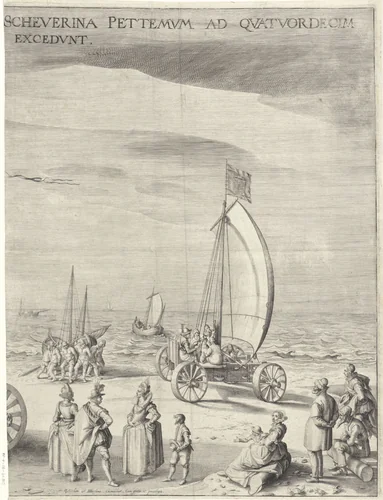
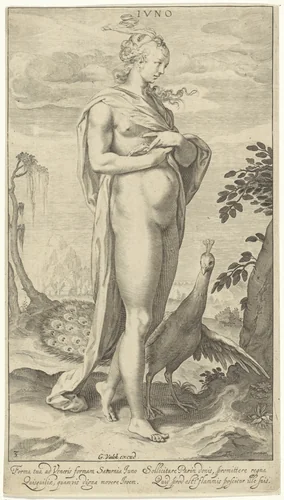
His technical dexterity allowed him to interpret complex classical mythology, evidenced by finely executed engravings like Juno met pauw and Venus en Cupido. However, his most historically significant contributions occurred at the intersection of art and empirical science. Van Swanenburg was a vital collaborator in the documentation of technological innovation. His acclaimed De zeilwagen van Simon Stevin (1602) documents the extraordinary land yacht designed by the mathematician Simon Stevin for Prince Maurice. This complex, two-plate composition perfectly captures the merging of technical draughtsmanship and artistic execution that defined the peak of Dutch printmaking. The print itself remains a definitive image of early modern mechanical ingenuity.
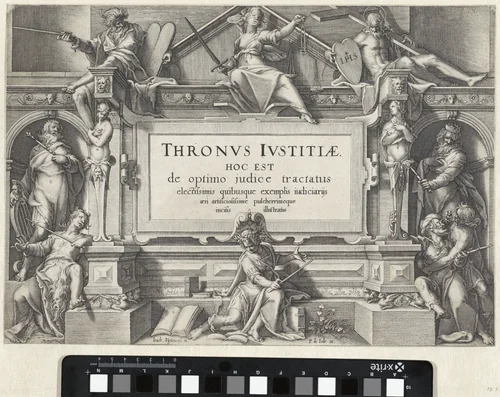
Despite a relatively short documented career, the output of Willem Isaacsz. van Swanenburg secured him a place in major public collections. His status as a museum-quality engraver is confirmed by the significant holding of his Willem Isaacsz. van Swanenburg prints at the Rijksmuseum. His works, including the allegorical Troon van Rechtvaardigheid, demonstrate the visual authority achieved through the meticulous use of the burin. Today, much of his legacy resides in the public domain, offering modern institutions and enthusiasts access to these historic works.
Source: Wikipedia · CC BY-SA 4.0