Willem de Passe
Willem de Passe (active circa 1598-1620) was a key operative in the van de Passe family, the celebrated dynasty of Dutch engravers whose sophisticated output defined the commercial market for portraiture and published illustration in early modern Europe. Originating with the patriarch Crispijn the Elder, this family enterprise quickly became comparable to other major print houses of the era, such as the Wierixes and the Sadelers. While occasionally operating on what was described as a "mundane commercial level," the technical skill and uniform quality of their work sustained an extensive international clientele.
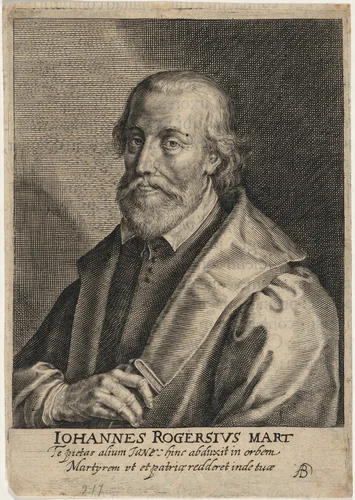
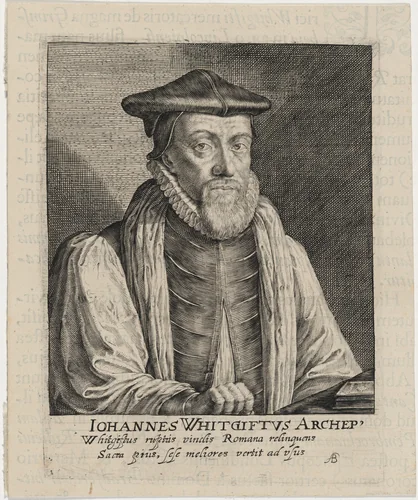
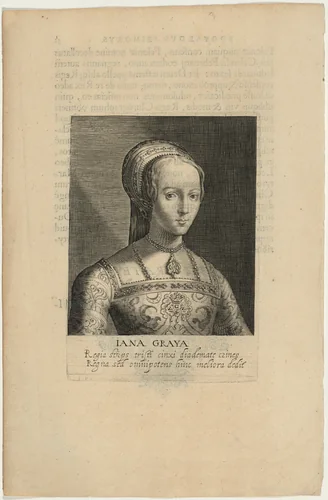
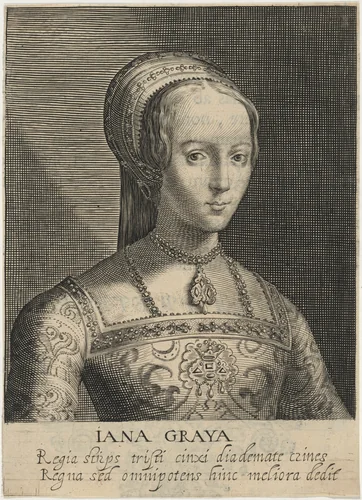
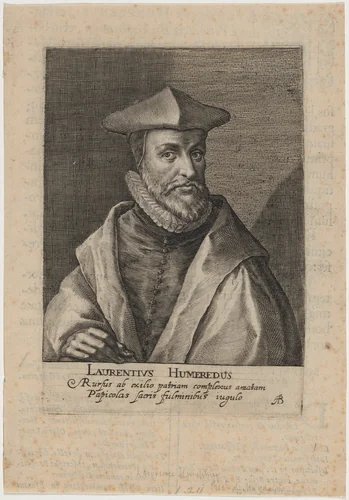
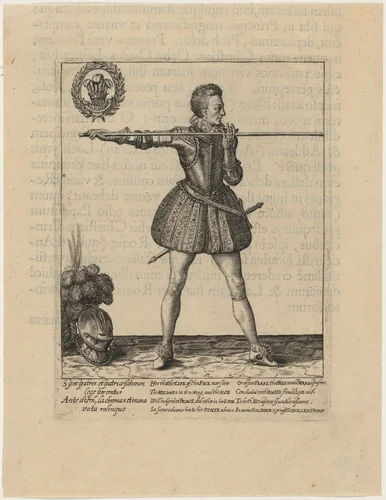
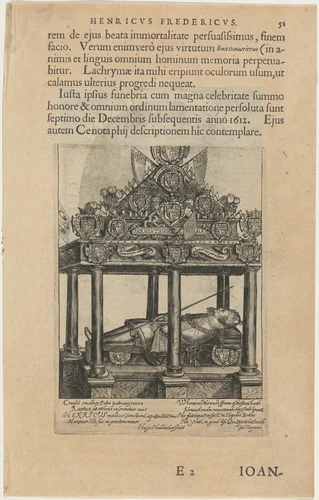
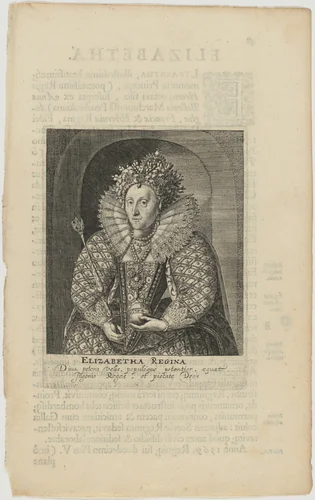
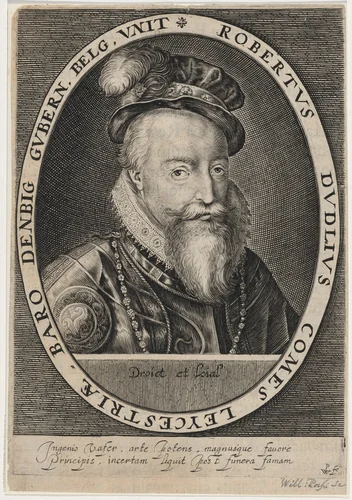
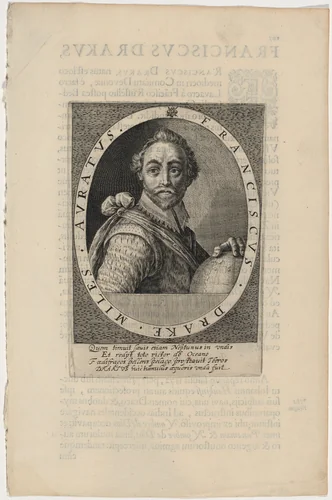
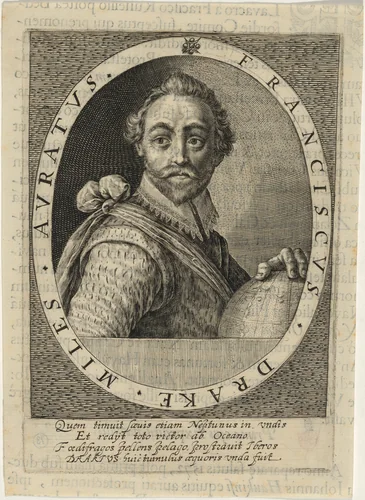
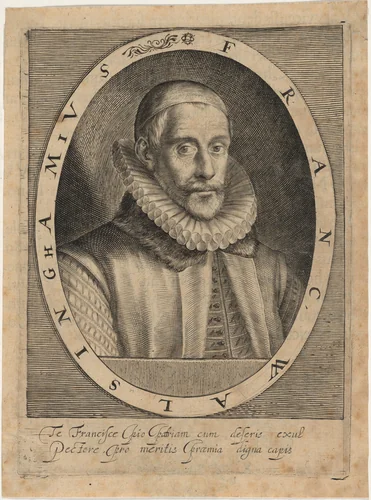
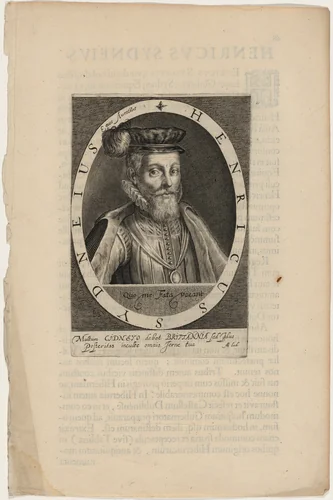
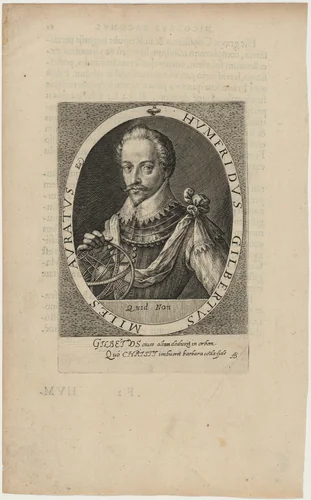
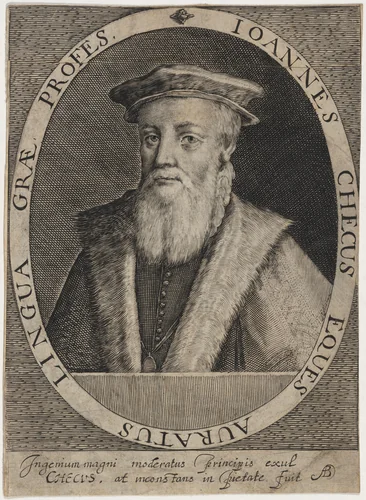
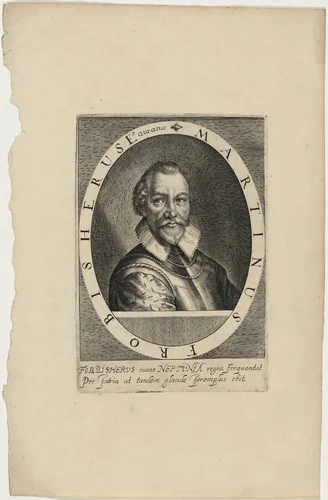
The artistic focus of the van de Passe workshop, and Willem specifically, centered overwhelmingly on high-demand commercial materials: precise, often highly formal portraits of royal figures and nobility, and elaborate book title-pages. Grand narrative subjects, which often commanded higher prices and required greater artistic invention, were largely avoided in favor of the steady commissions associated with publishing and official iconography. This strategic focus made them prolific suppliers of visual documentation, circulating likenesses across the continent with speed and accuracy.
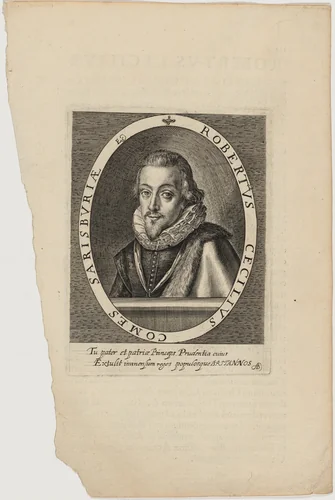
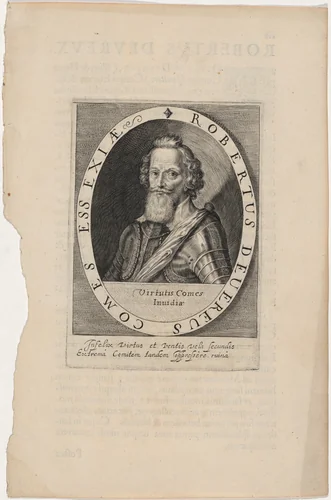
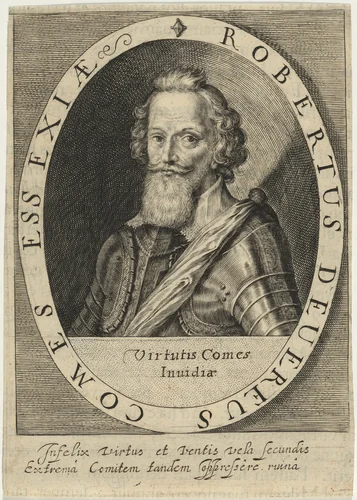
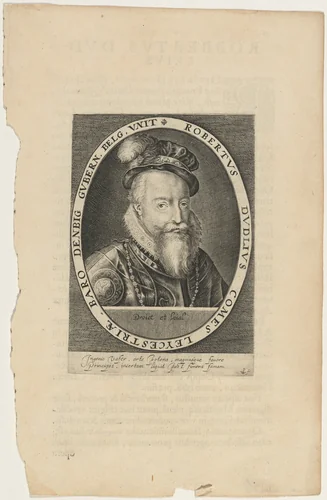
Willem de Passe’s output, during his two-decade career, included influential and highly detailed studies of the English court, reflecting the family’s close engagement with the Stuart monarchy. He is noted for several significant political portraits, including multiple iterations of Henry Rich, First Earl of Holland, and the powerful dual representation of James I, King of England and Charles, Prince of Wales. Many of the family members developed their own designs and were known to leave preparatory drawings, highlighting their roles as both technicians and originators.
A peculiar characteristic of the dynasty is the stylistic uniformity across generations. It is perhaps a unique compliment to their consistent museum-quality production that differentiating between the skilled hands of the various de Passe family members remains a primary challenge for art historians centuries later, absent a clear signature or location marker. The enduring technical excellence of Willem de Passe prints ensures their continued relevance in major collections worldwide, including the Art Institute of Chicago and the National Gallery of Art. Today, many of these influential works reside in the public domain, offering readily downloadable artwork for scholarly examination and appreciation.