Willem Buytewech
Willem Pieterszoon Buytewech occupies a crucial position in the history of Dutch Golden Age art, distinguished as one of the earliest specialized practitioners of genre subjects. Active for only a short period, roughly between 1615 and 1621, Buytewech was instrumental in establishing the visual format of the merry company, scenes dedicated to depicting refined and often slightly satirical groupings engaged in fashionable leisure. Though he produced a limited number of paintings, his extensive output as a draughtsman and etcher channeled his lasting influence across the emerging generation of Dutch masters.
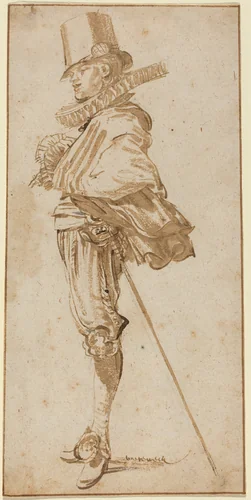
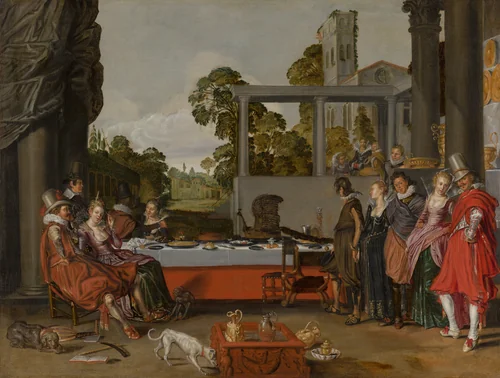
His surviving oeuvre, consisting of three drawings, approximately a dozen paintings, and a core group of eleven significant etchings, reveals a sophisticated narrative approach coupled with a facility for rendering meticulous detail. Works such as the painting Merry Company on a Terrace illustrate his mastery of dramatic light and costly costume, essential components of the developing genre scene. Equally important were his studies of individual figures; pieces like Standing Cavalier Wearing a Sword exemplify his skill in capturing dynamic posture and social typology with apparent ease.
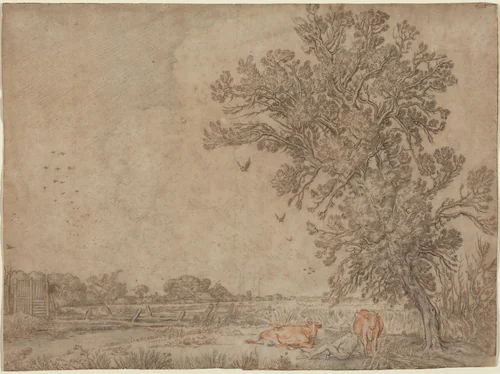
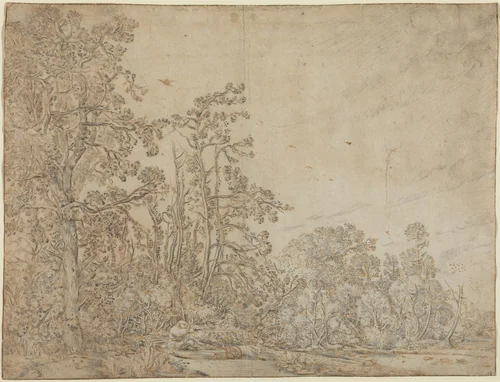
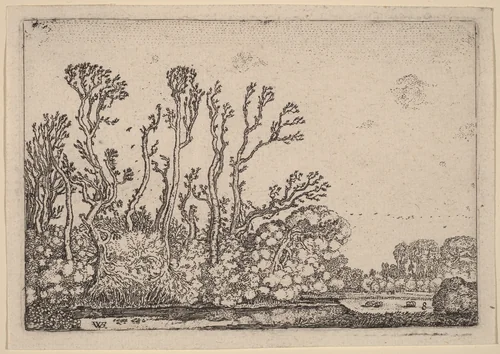
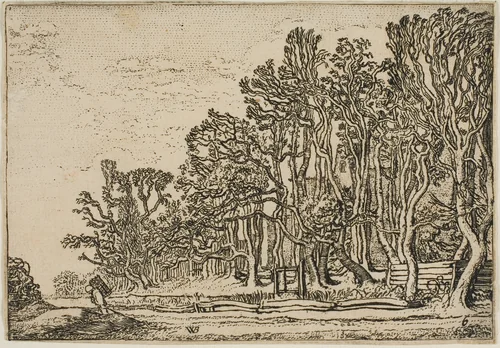
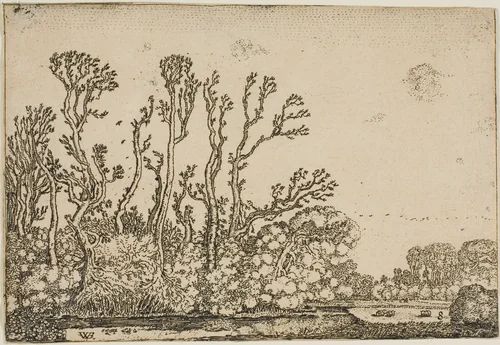
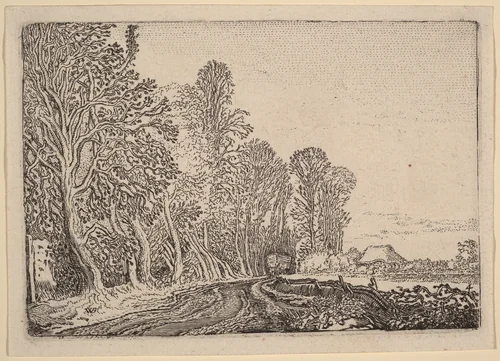
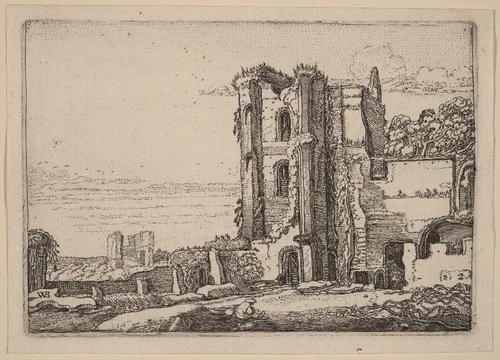
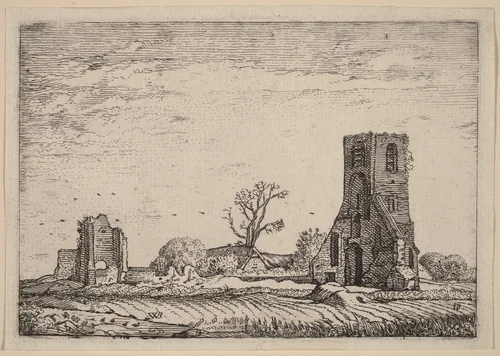
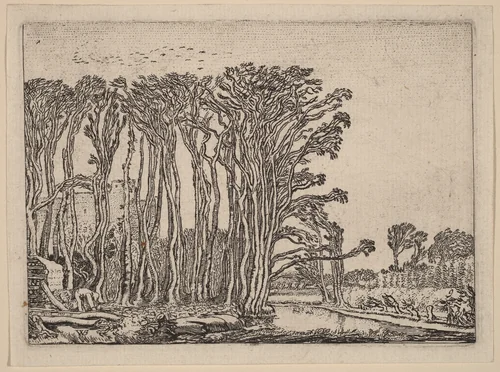
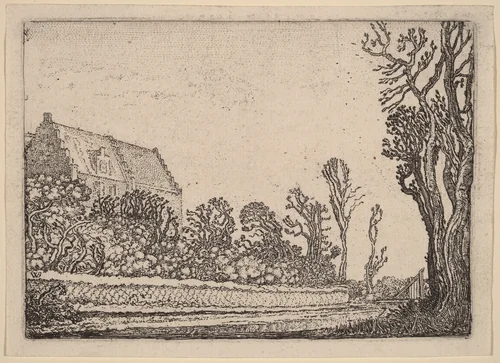
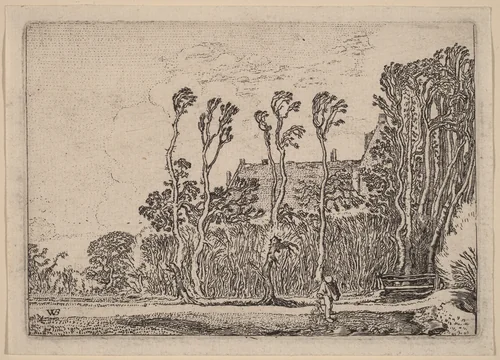
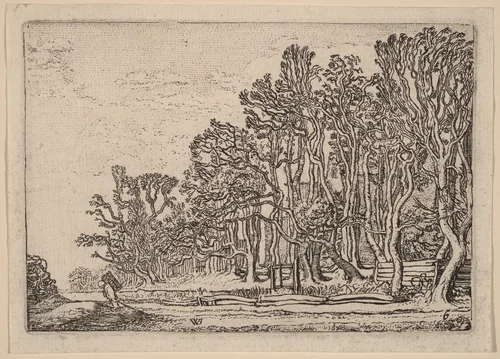
Buytewech’s artistic invention, however, extended beyond interior gatherings. He was equally adept at intimate landscape scenes, balancing realism and atmosphere in compositions such as Meadow with a Shepherd and Cows and the detailed Woodland Pond with a Fisherman. This facility for versatile composition and witty, sophisticated observation earned him a notable nickname among his contemporaries: “Gheestige Willem,” or ‘Willem the Witty.’
Despite the brevity of his career, Buytewech set key precedents for later genre painters. Today, his works are considered cornerstones in major international holdings, including the Mauritshuis, the Art Institute of Chicago, and the National Gallery of Art. Given their age and historical significance, many of his pivotal Willem Buytewech prints and drawings reside in the public domain. The availability of high-quality prints and downloadable artwork ensures that the legacy of this innovative foundational Golden Age master remains highly visible and studied by contemporary scholars.
Source: Wikipedia · CC BY-SA 4.0