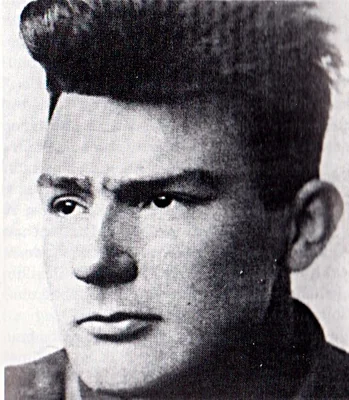
Wilhelm Morgner
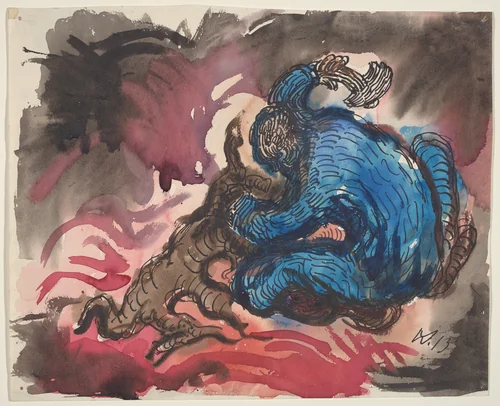
Wilhelm Morgner (1891-1917) stands as a vital, if tragically brief, figure in German Expressionism. Despite an artistic career spanning little more than five years (1908-1913), Morgner achieved a singular synthesis of vibrant color and rigorous spiritual structure, producing a body of work that bridged the intense emotionality of the Brücke group with the abstract mysticism of the Blaue Reiter.
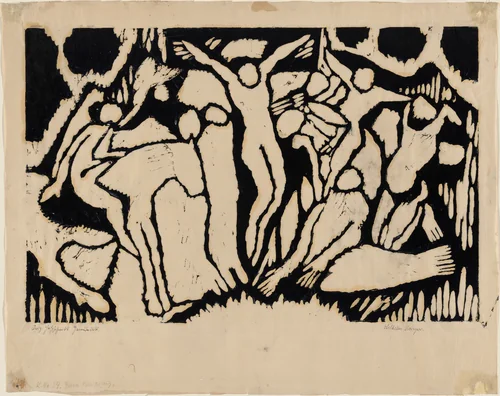
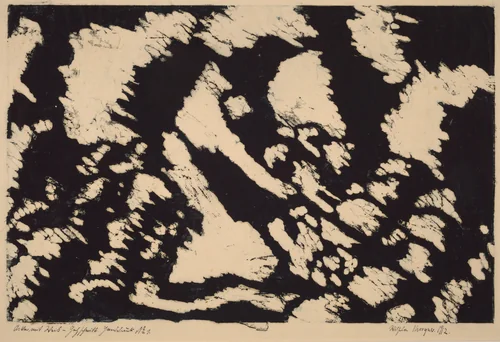
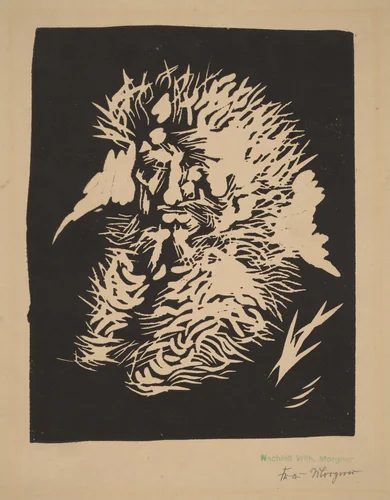
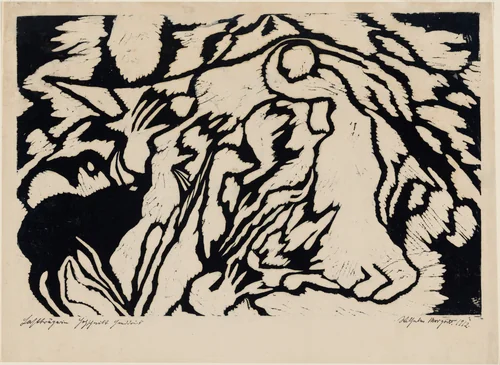
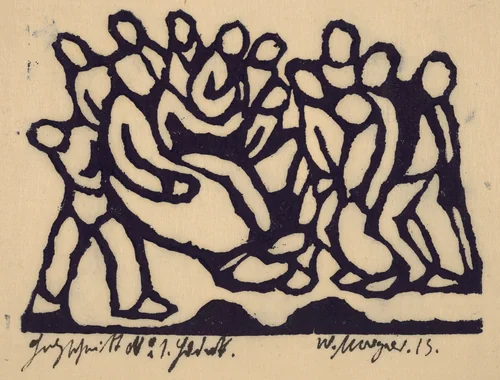
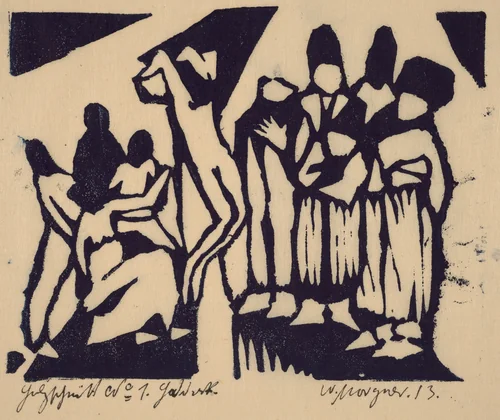
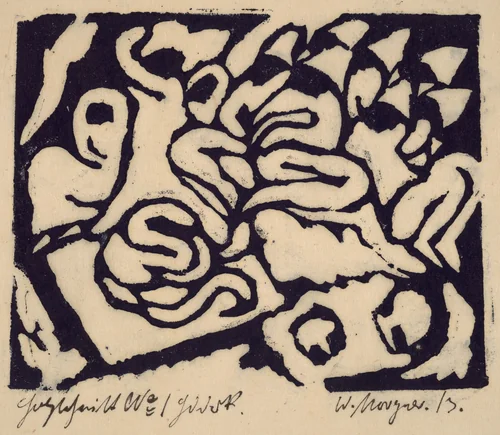
Morgner was primarily a graphic artist during this fertile period, mastering printmaking techniques that allowed for immediate, stark visual impact. His extant graphic output, which includes seven prints and a single surviving drawing, demonstrates an accelerating move from figurative intensity toward linear abstraction. Works such as Crucifixion with Horseback Rider and Acker mit Weib (Woman in a Field) exemplify his early commitment to religious and agrarian themes, rendering human figures not as subjects of classical realism, but as elemental, often distorted spiritual entities. His study of the human condition, evident in pieces like Bärtiger Mann and the powerful Lastträgerin, focused on the burdens and dignity of laboring life.
His final stylistic innovations, achieved just before the outbreak of World War I curtailed his production, saw Morgner abandon conventional space entirely. These later works utilized rhythmic parallel lines and geometric color planes, anticipating much of the non-objective abstraction that would define European modernism later in the decade. It is a peculiar historical footnote that an artist so significant to the burgeoning avant-garde worked almost entirely within the confines of a compressed five-year window, leaving the art world to perpetually wonder about the direction his genius might have taken.
Today, key works by Morgner are held in prestigious international institutions, including the National Gallery of Art. Due to the dedication of archivists and the legal status of the collection, many of these powerful Wilhelm Morgner prints are now in the public domain, allowing for widespread study and dissemination. High-quality prints of his seminal graphic achievements are increasingly accessible, offering art lovers a direct engagement with this pivotal, short-lived master of Expressionism.
Source: Wikipedia · CC BY-SA 4.0