Wilhelm Leibl
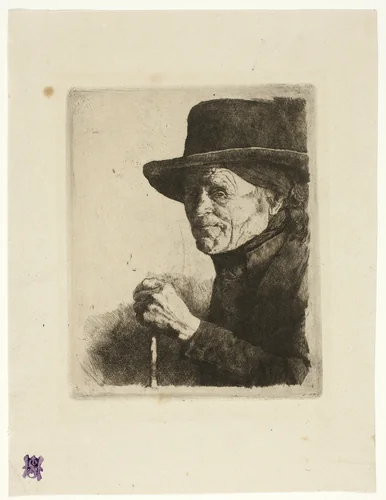
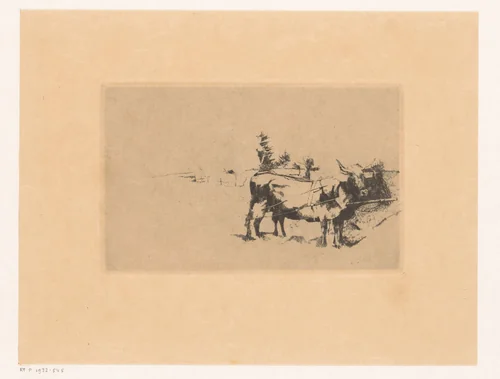
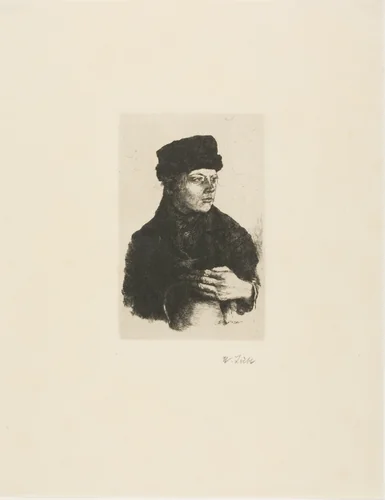
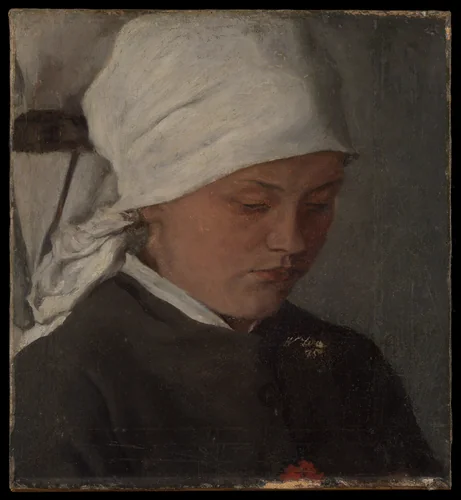
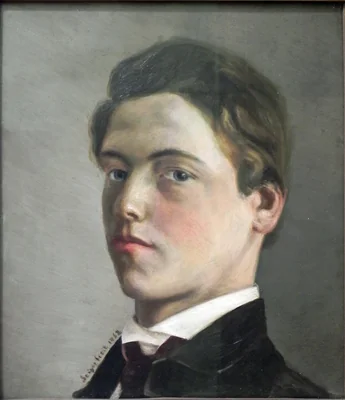
Wilhelm Maria Hubertus Leibl (1844-1900) stands as one of the preeminent figures of German Realism, known for transforming the conventions of portraiture and genre painting. Leibl dedicated his career to the rigorous depiction of observed reality, moving decisively away from the historical narratives and sentimentalism that dominated much of nineteenth-century German art. His work is characterized by an exacting technical precision and an unflinching focus on the working lives of the peasantry and the intimate details of his sitters.
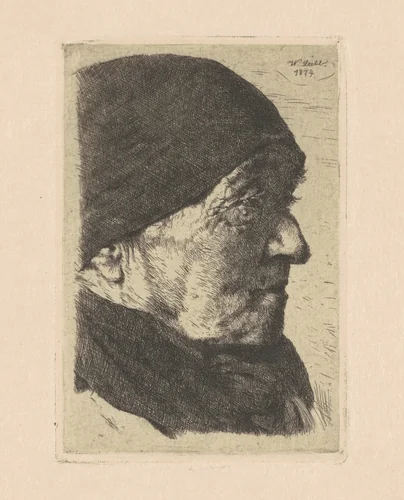
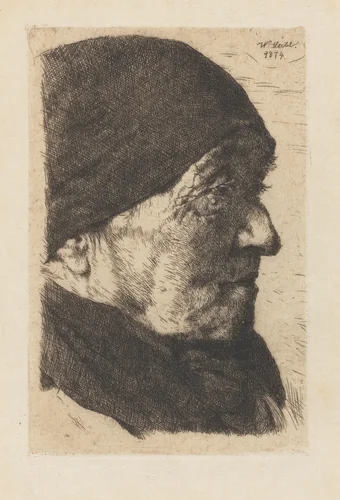
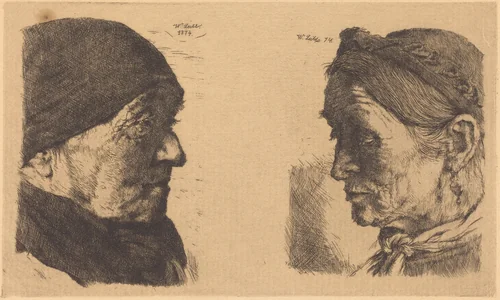
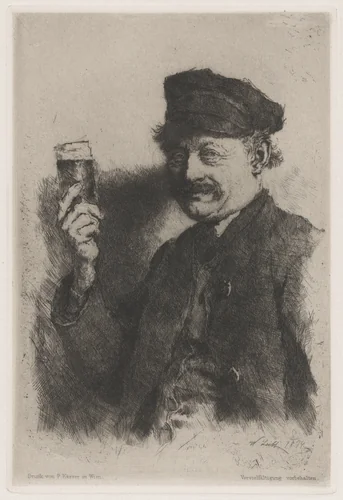
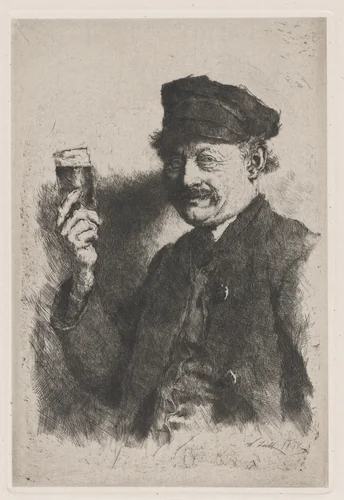
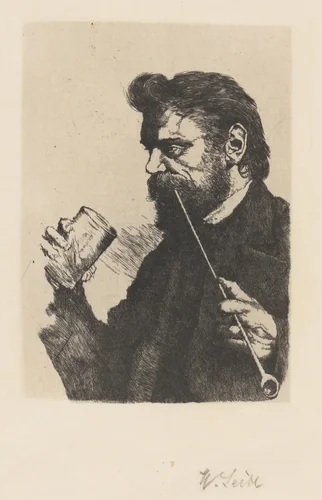
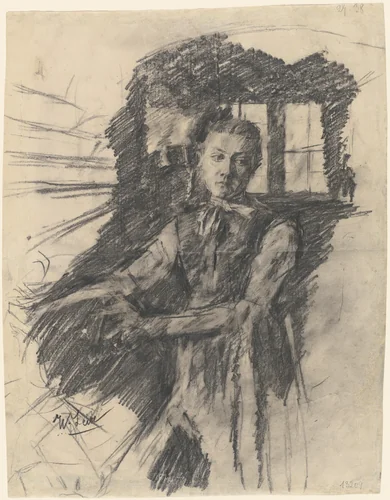
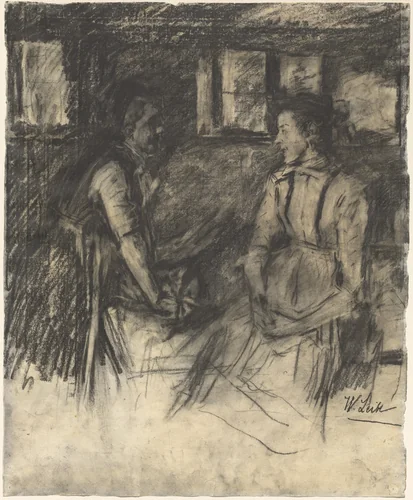
Leibl established his reputation through intensely focused portraits and scenes of rural life, reflecting a commitment to authenticity that necessitated a physical retreat from urban centers. Seeking an unfiltered view of Bavaria’s agricultural populace, he famously worked almost exclusively in isolated villages after the early 1870s, establishing a direct visual dialect that became his artistic signature. This dedication meant the resulting works, such as The Smoker (Portrait of the Painter Horstig) or his double study, Portrait of the Painter Wopfner, possess a striking, almost tactile sincerity, devoid of idealization. His capacity for capturing personality is evident even in smaller pieces, such as The Critic, which exists in multiple forms, including detailed studies illuminating his preparatory process.
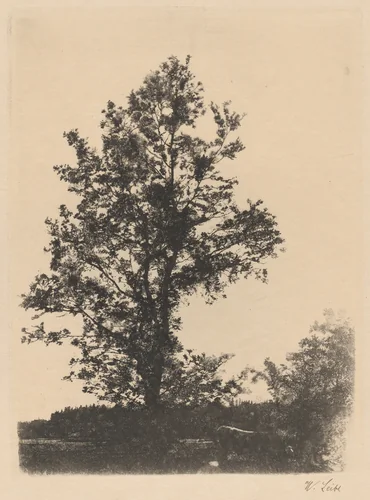
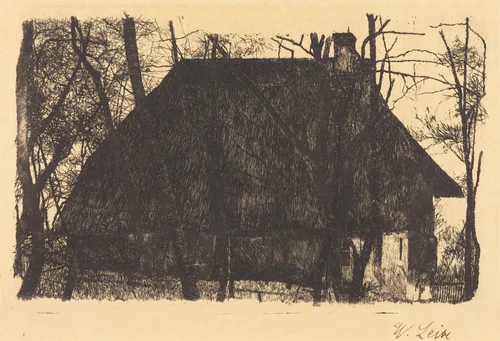
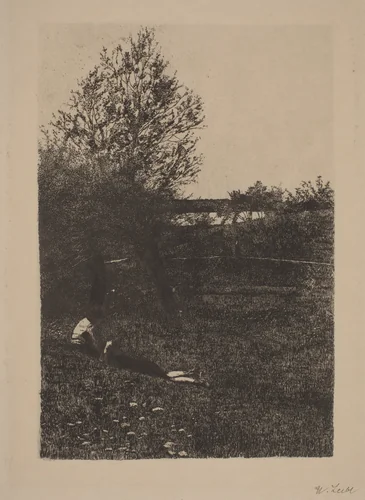
The collection of works spanning his active period, roughly 1844-1874, demonstrates his mastery across mediums. Though renowned for his Wilhelm Leibl paintings, his preparatory drawings and Wilhelm Leibl prints are essential to understanding the evolution of his precise, high-definition style. The enduring quality of his draftsmanship is evident in pieces like The Large Tree, a testament to his ability to render texture and structure with equal gravity whether addressing human subjects or the natural world.
Today, Leibl's influential work is housed in prestigious collections worldwide, securing his status as a key figure in the history of Realism. Due to the age of the original artifacts, many works are now freely available in the public domain, offering access to high-quality prints for scholarly study and public appreciation.
Source: Wikipedia · CC BY-SA 4.0