Wilhelm Hammerschmidt
Wilhelm Hammerschmidt was an artist, likely a documentary photographer, active during the mid-to-late nineteenth century, spanning the years 1854 through 1880. Hammerschmidt specialized in capturing large-format architectural and archaeological views, focusing primarily on the monumental ancient sites of Egypt and Nubia. His work contributes to the history of nineteenth-century documentary travel photography, reflecting the period’s intense interest in surveying and recording historic Middle Eastern structures.
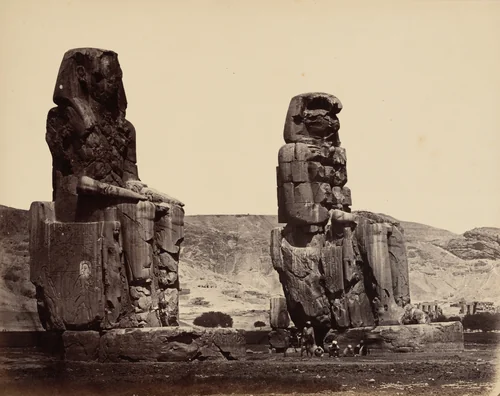
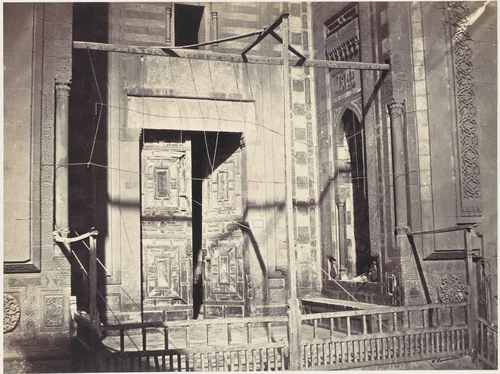
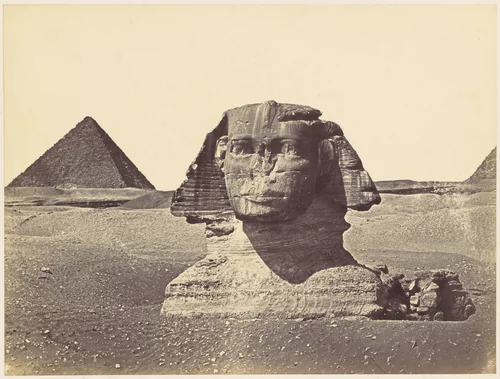
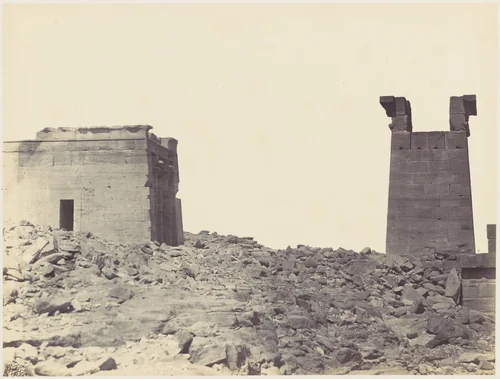
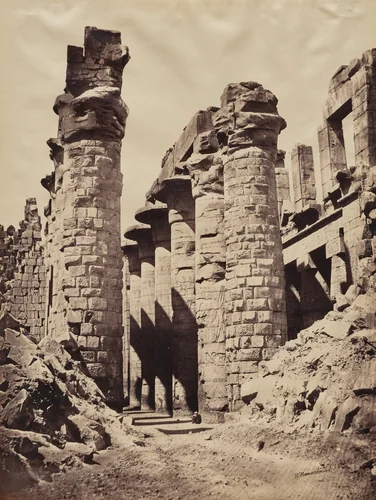
Five photographs representing his professional output are currently held in prominent American museum collections, affirming his legacy. These works include the celebrated Colosses de Memnon à Thèbes and detailed architectural studies such as Porte de la Mosque, Sultan Hassan. Partie Inférieure. Other notable works preserved institutionally are the iconic Tête du Sphynx, the Nubian subject Temple de Dandour en Nubie, and the dramatic interior view View of Karnak Temple, Hypostyle Hall.
Hammerschmidt’s prints are represented in the permanent collections of the Metropolitan Museum of Art, the National Gallery of Art, and the Cleveland Museum of Art. As much of his historical photography is now in the public domain, institutions and researchers can access high-quality prints, often available as downloadable artwork for educational purposes.