Wilford H. Shurtliff
Wilford H. Shurtliff was active in the latter half of the 1930s, with documented work dating specifically from 1936 to 1939. Although biographical details outside this active window are limited, their artistic output focused on the meticulous rendering of American decorative and folk arts.
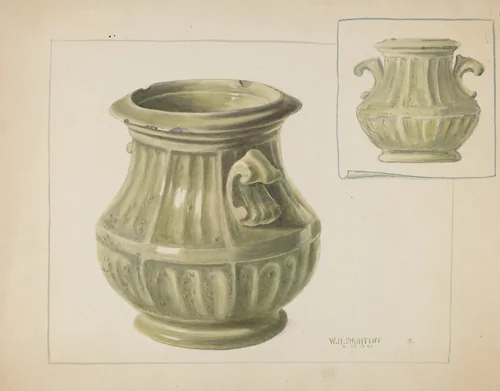
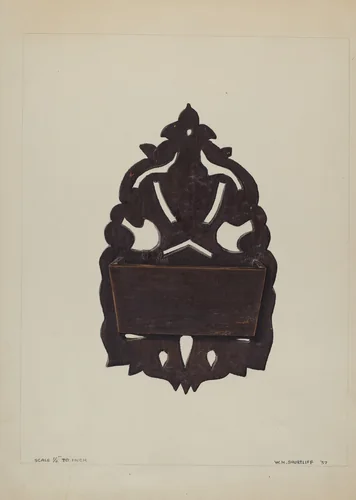
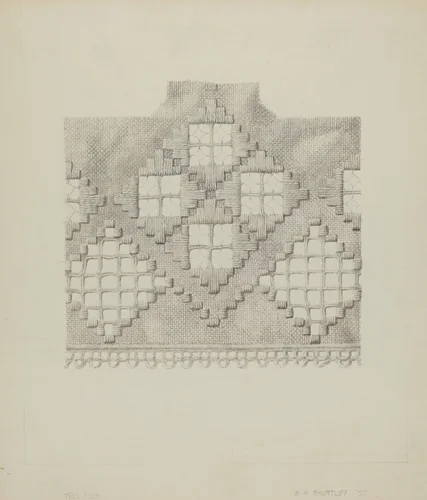
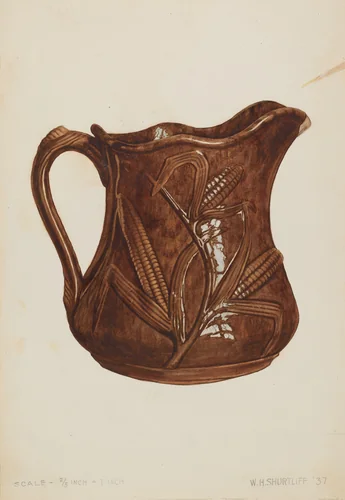
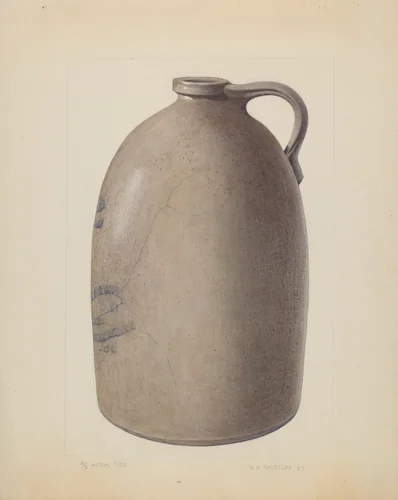
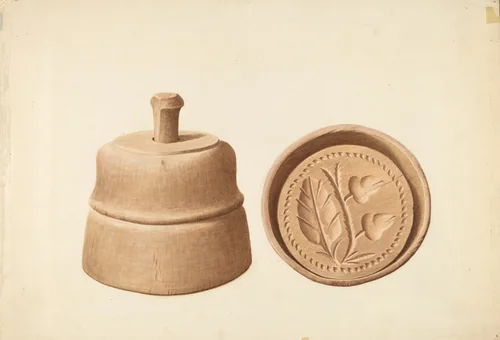
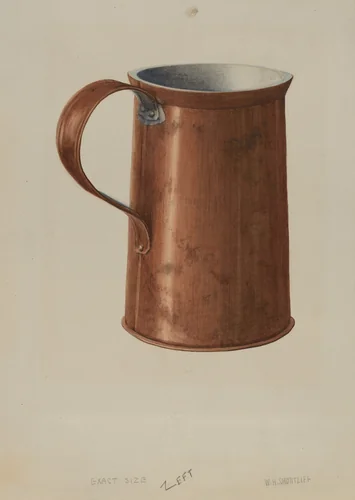
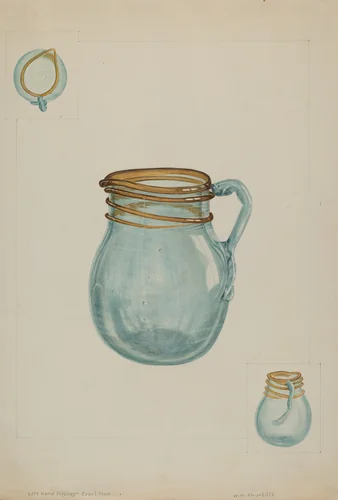
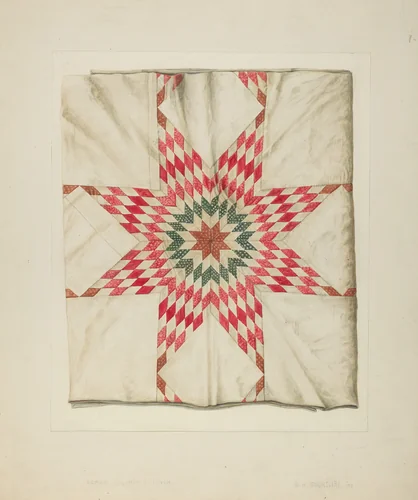
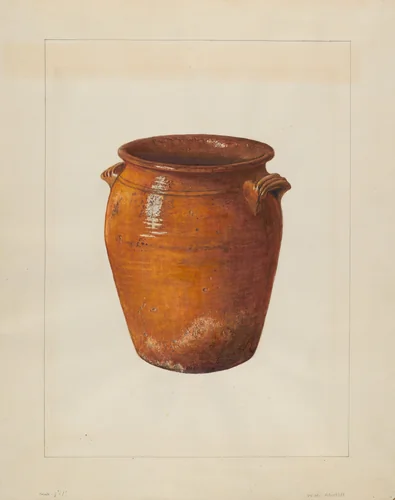
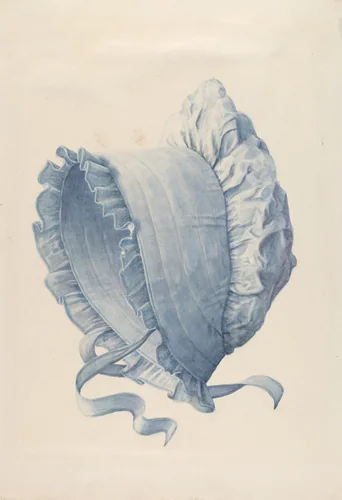
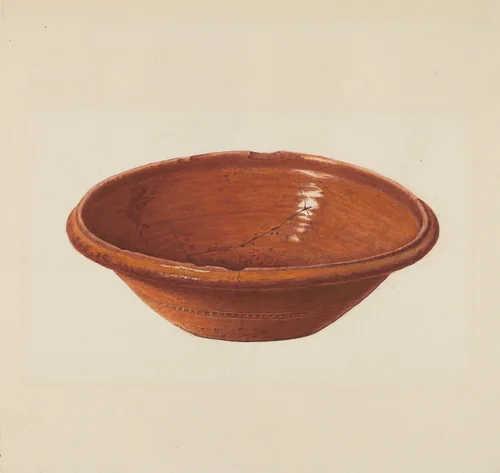
Shurtliff’s work is characterized by detailed studies of domestic and craft objects. Examples of their preserved output include renderings of functional items such as the Sugar Bowl, Comb Case, Pitcher, and the study of textile patterns like Hardanger. Twelve designs attributed to the artist are preserved in museum collections, confirming Shurtliff’s contribution to documenting early American material culture.
The credibility of Shurtliff’s historical documentation is established by its inclusion in the permanent collection of the National Gallery of Art. Due to the nature of this project and its vintage, many Wilford H. Shurtliff prints are now widely available for scholarly use, often designated as public domain or downloadable artwork for researchers and collectors.