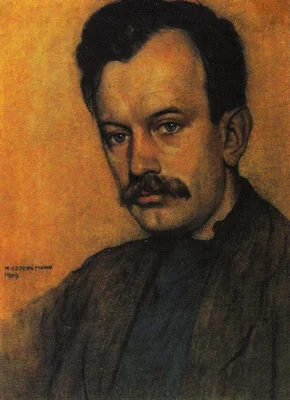
Wijnand Otto Jan Nieuwenkamp
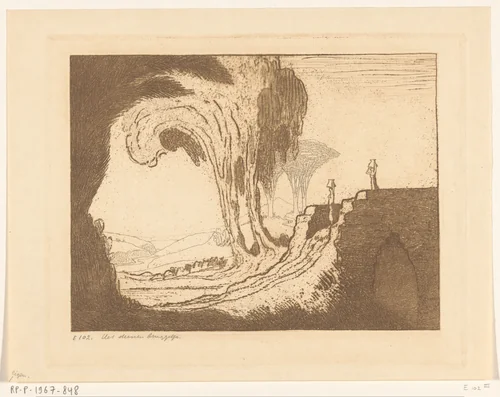
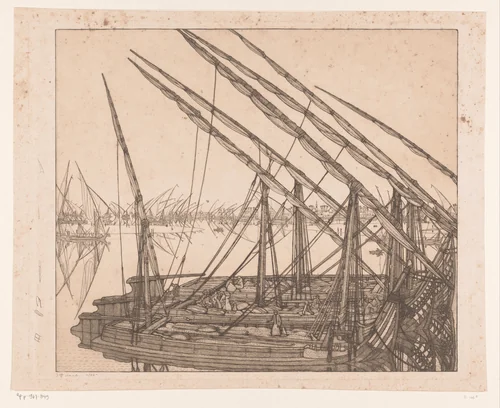
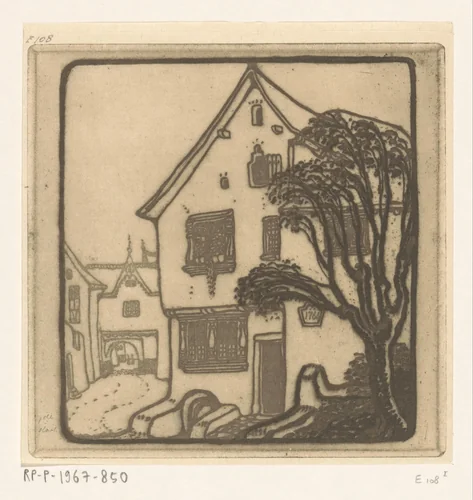
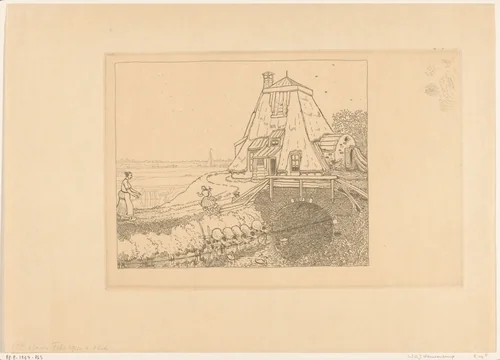
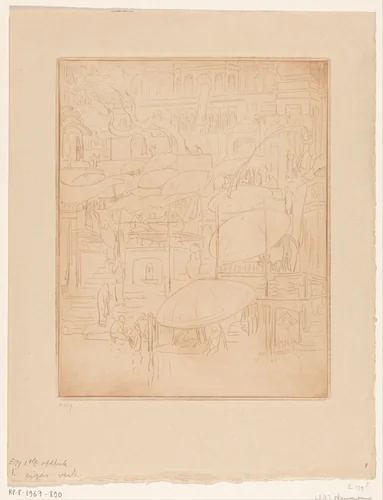
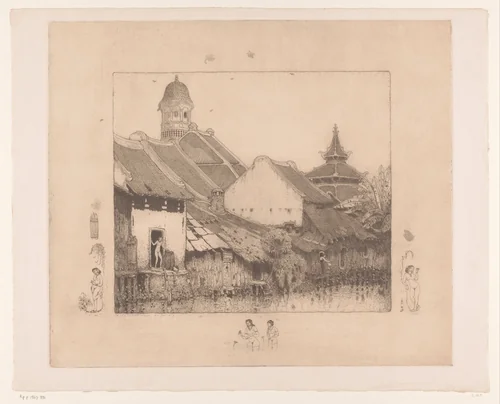
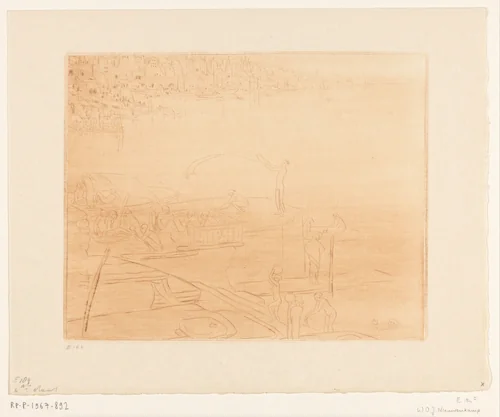
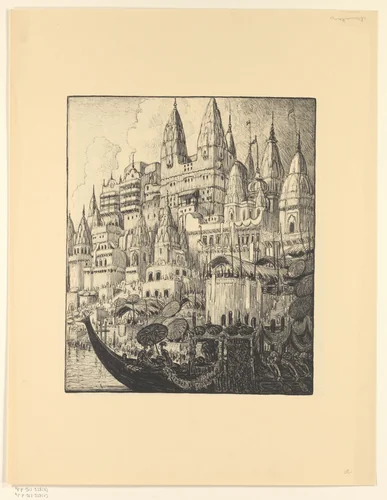
Wijnand Otto Jan Nieuwenkamp (1874-1950) occupies a singular position in Dutch modern art, defined less by adherence to specific art historical movements and more by the sheer, relentless breadth of his self-taught mastery. A comprehensive autodidact, Nieuwenkamp excelled across numerous disciplines, including painting, drawing, sculpture, and architecture, but remains highly regarded for his significant contributions to the graphic arts and design during the fin de siècle and early 20th century.
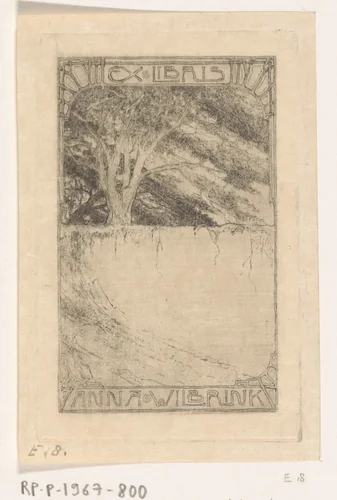
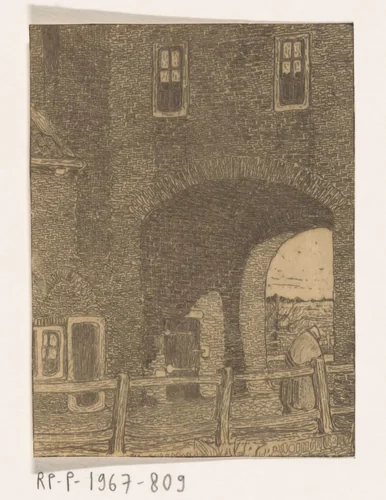
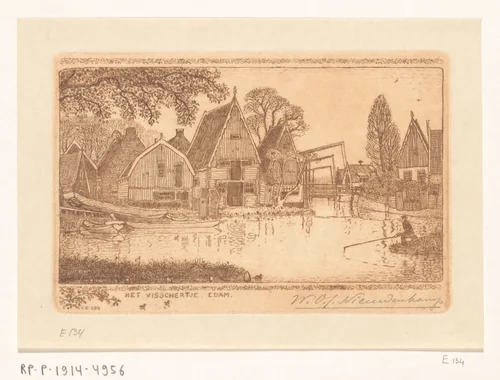
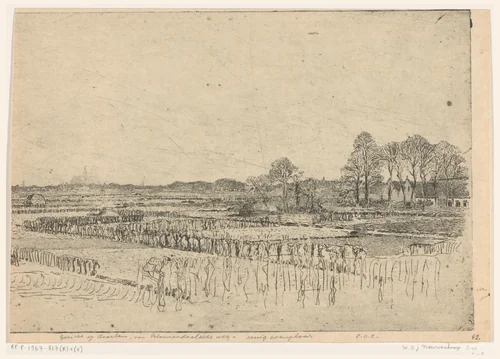
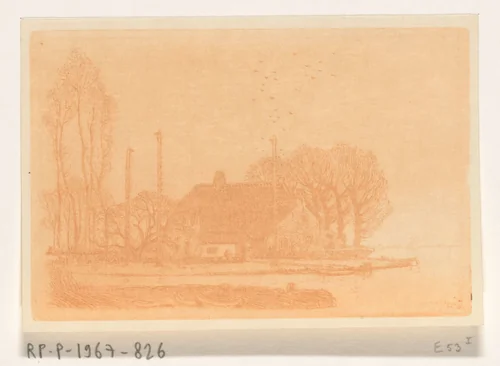
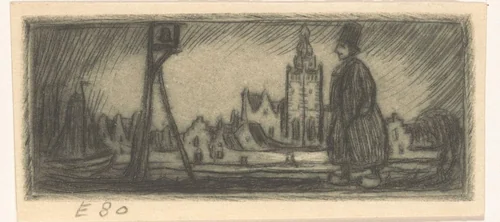
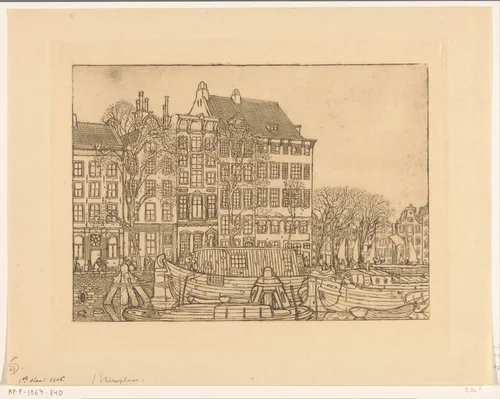
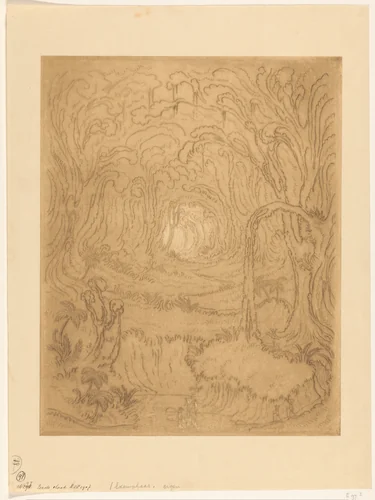
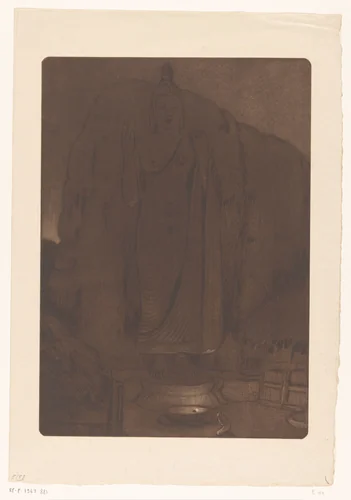
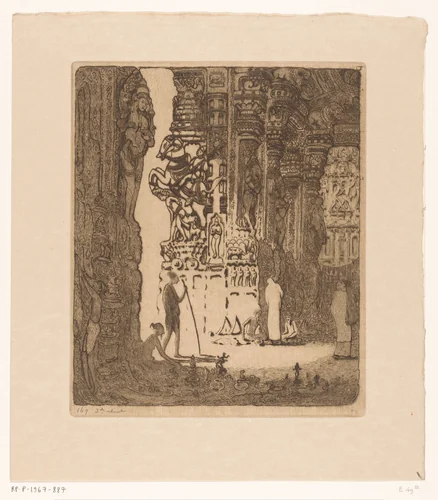
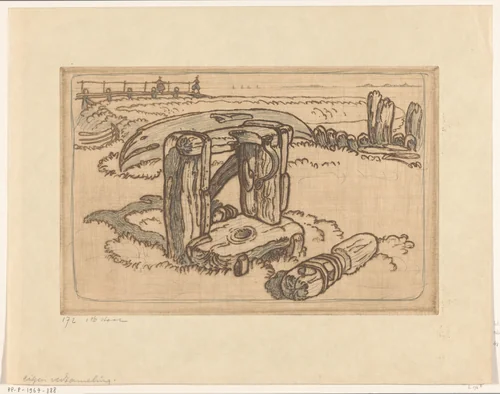
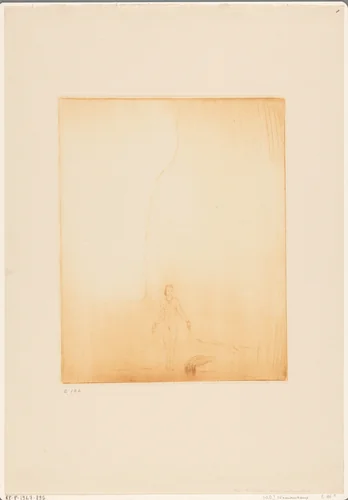
Active primarily between 1897 and 1915, Nieuwenkamp was technically versatile, employing etching, lithography, and detailed ink drawing to render the swiftly changing Dutch topography. His legacy is particularly rich in his exacting graphic work, producing complex views that blended documentary precision with keen atmospheric sense. Notable examples include the architectural study Oostpoort in Delft and evocative genre scenes such as Visser op een oever in Edam. His command over line also extended into commercial applications, where he designed refined book covers and elevated the status of the ex-libris, exemplified by the delicate Ex libris van Anna Wilbrink. Fifteen of these unique Wijnand Otto Jan Nieuwenkamp prints are formally held in the collections of the Rijksmuseum, serving as museum-quality documentation of his early career.
Nieuwenkamp’s boundless curiosity ensured that his practice rarely remained confined to the studio. He operated simultaneously as a writer, architect, and pioneering ethnologist. Utilizing his precise draftsmanship, he became an important chronicler of the distant cultures he encountered as an explorer and collector of East Asian art, seamlessly merging the roles of documentarian and creator. This unusual self-reliance, extending from mastering etching techniques to designing his own dwellings, perhaps explains his most understated observation: he chose to build his own vessel, De Zwerver (The Wanderer), to serve as both a traveling studio and a permanent residence. The consistency and historical value of his historical compositions mean that much of his output is now available in the public domain, offering high-quality prints for contemporary study and appreciation.
Source: Wikipedia · CC BY-SA 4.0