Werner van den Valckert
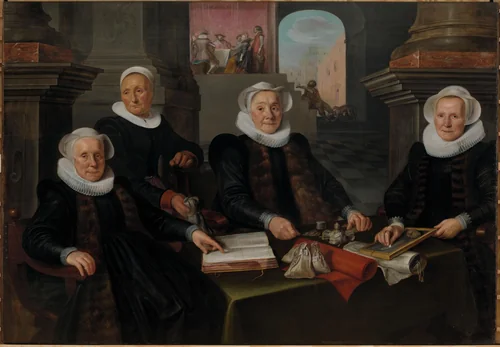
Werner van den Valckert was a distinguished Dutch Golden Age figure active during the formative years of the Republic, establishing a significant presence in Amsterdam’s art scene between 1607 and 1624. Though his known surviving oeuvre is exceptionally small, comprising a single painting and six technically masterful prints, these objects demonstrate a striking technical virtuosity characteristic of the era’s most skilled practitioners. As both a painter and an engraver, Valckert successfully navigated the demands of large-scale commissioned work and the quickly expanding market for reproducible imagery. His surviving works are held in premier institutions globally, including the Rijksmuseum, the Metropolitan Museum of Art, and the Art Institute of Chicago.
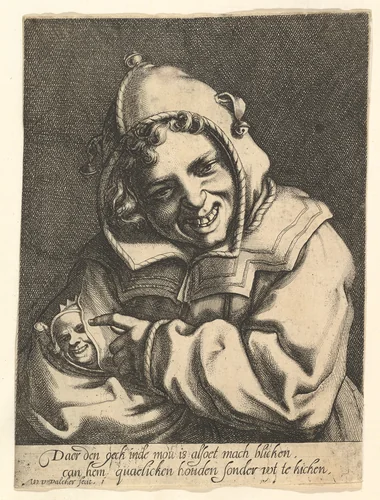
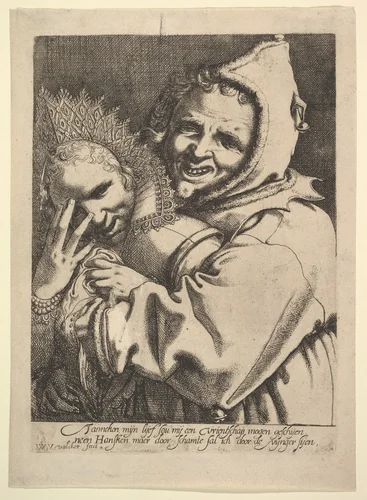
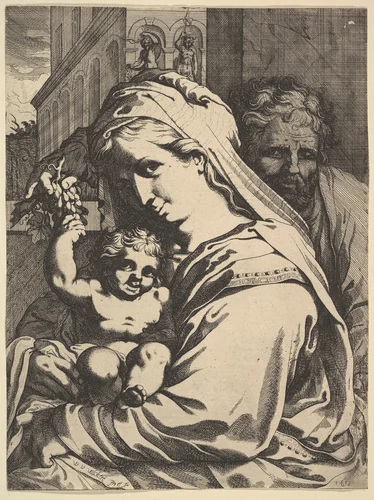
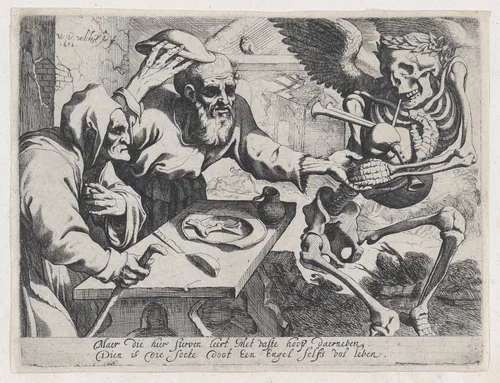
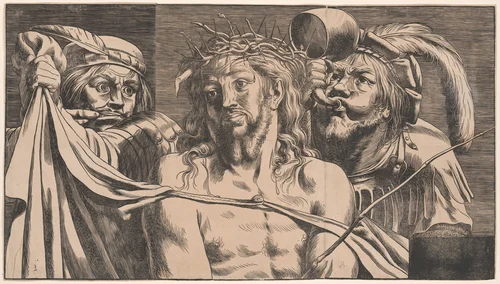
The primary measure of Valckert’s contribution rests in his graphic works. These Werner van den Valckert prints explore the charged intersection of moralizing allegories and robust genre scenes, a thematic mixture often handled with sophisticated humor. Subjects such as the devotional Holy Family stand in sharp contrast to the lively and sometimes startling social studies, notably the iconic Laughing Fool and Fool with a Girl Looking Through Her Fingers. It is in this graphic output that Valckert reveals his particular talent for capturing fleeting human expressions, a quality particularly evident in the theatrical pose of the fool contemplating his own status. Perhaps his most compelling composition, Old Couple and Death with Bagpipes, treats the inevitable demise of man with a startling, almost celebratory irreverence, a reminder that the Golden Age rarely shied away from macabre comedy.
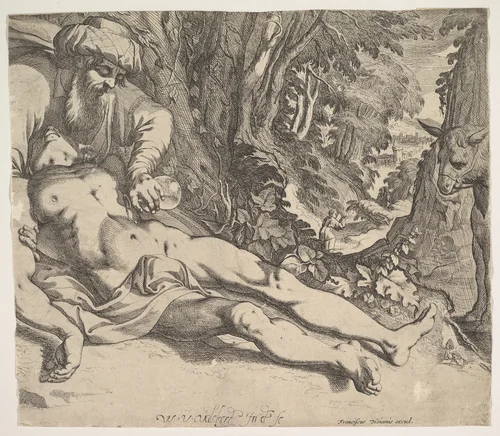
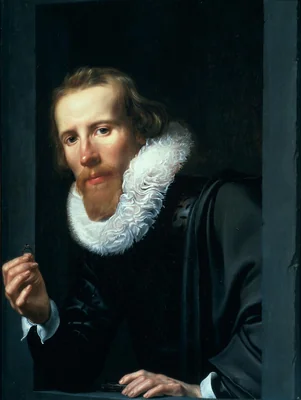
Despite the strictly limited catalog of his overall output, Valckert’s prints established a lasting aesthetic influence, circulated widely across Europe due to the reproductive nature of the engraving medium. His technical skill, apparent in the subtle modeling of forms and detailed line work, transfers the observational intensity typically reserved for painting into the graphic arts. Works like The Good Samaritan demonstrate his ability to handle complex narrative scenes with the same formal rigor applied to his portraits. Today, thanks to the diligence of institutional archives, many of these influential graphic works have entered the public domain. This contemporary accessibility allows researchers and collectors worldwide to study museum-quality examples, and ensures that high-quality prints of his seminal moralizing compositions continue to inform understanding of 17th-century Dutch visual culture.
Source: Wikipedia · CC BY-SA 4.0