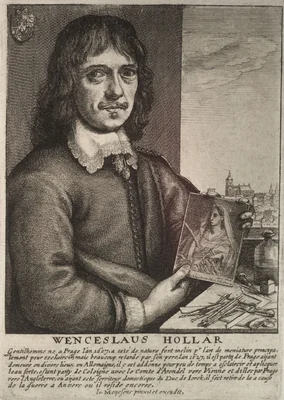
Wenceslaus Hollar
Wenceslaus Hollar (Václav Hollar, 1607-1677) stands as one of the 17th century’s most accomplished and prolific graphic artists. Though born in Prague, this Bohemian master spent the defining period of his professional life in England, where his technical mastery of etching and engraving fundamentally revolutionized topographical and portrait documentation of the Stuart era. His early training likely occurred in Frankfurt under the tutelage of Matthäus Merian, establishing the foundation for the precise, narrative quality that characterizes his mature style.
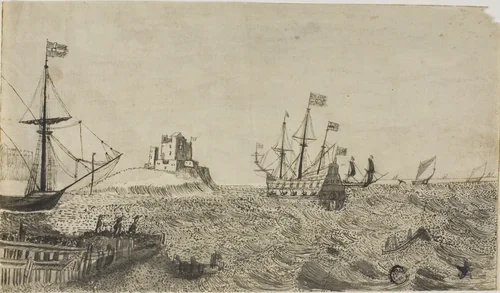
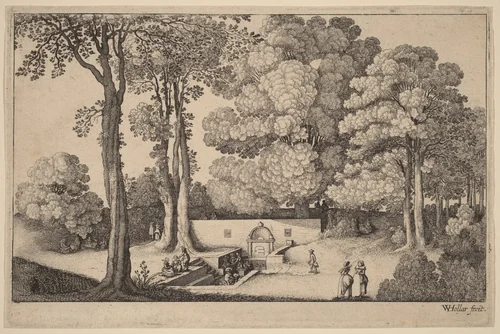
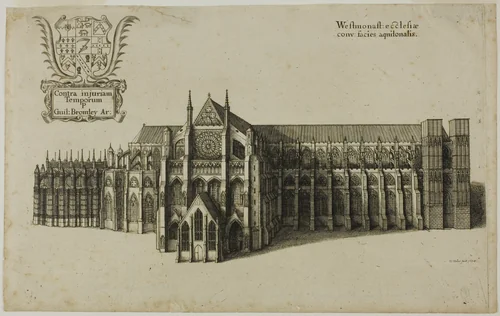
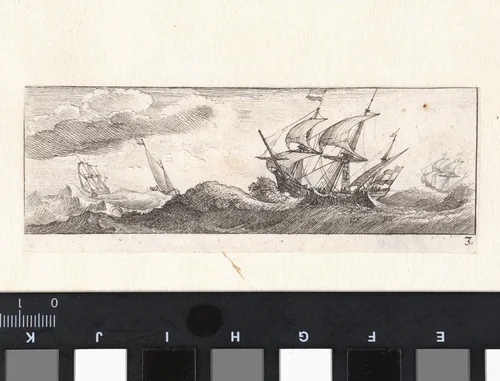
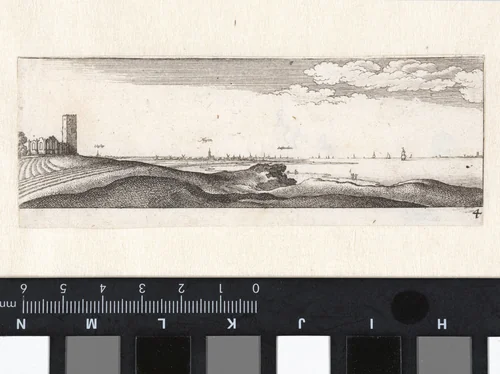
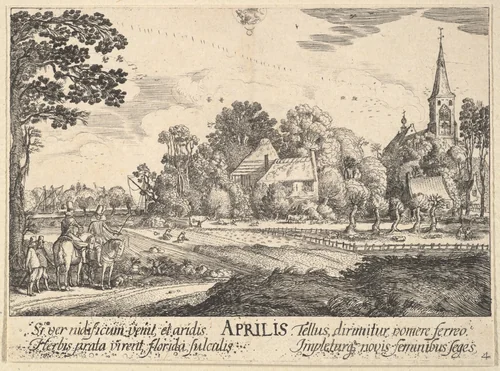
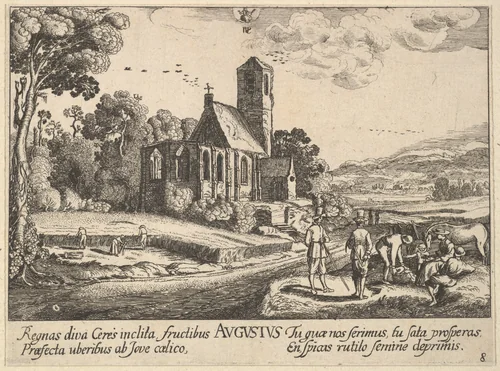
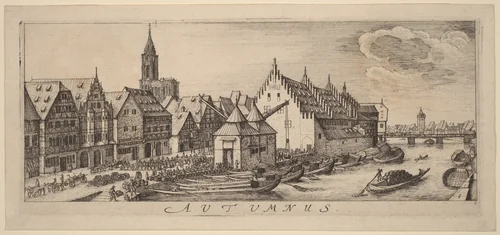
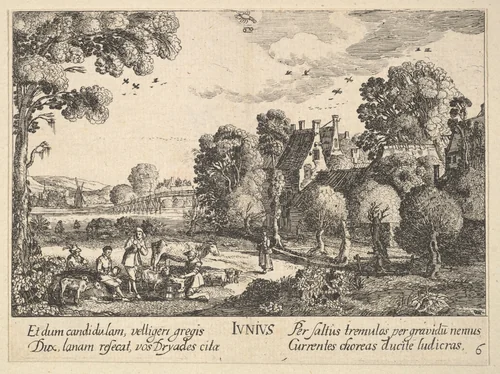
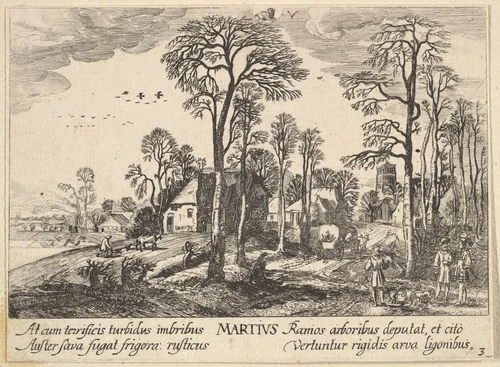
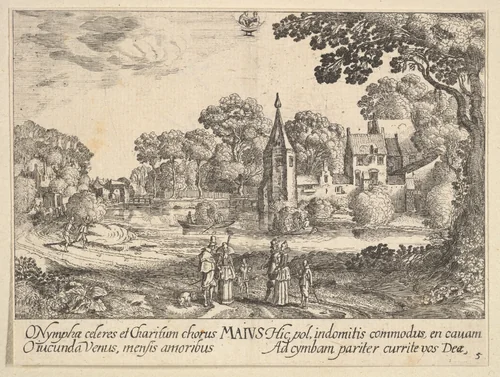
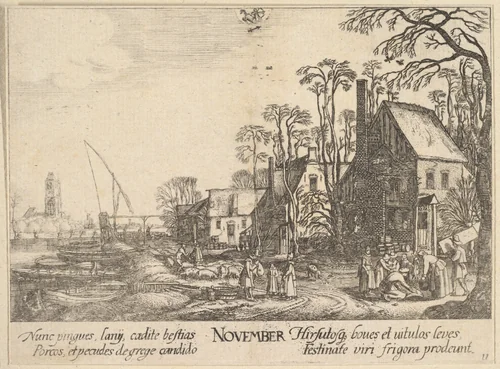
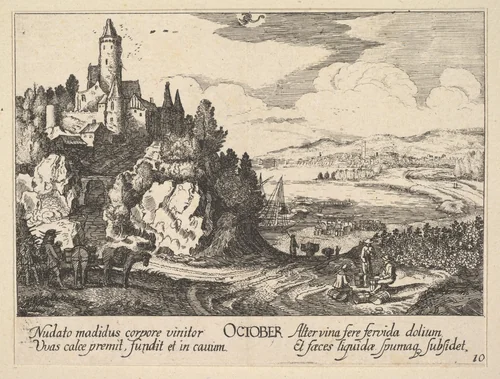
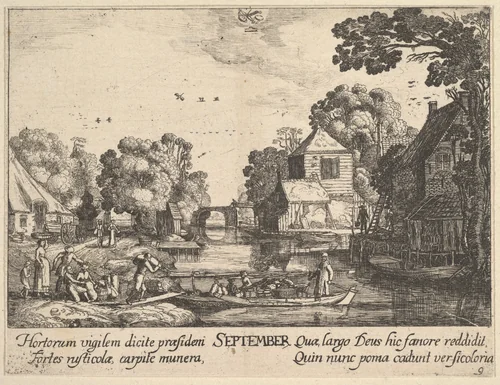
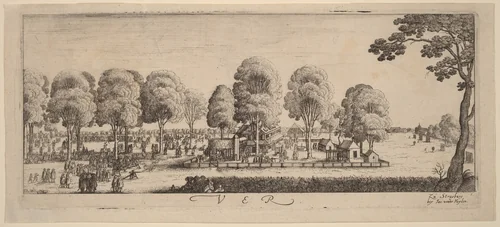
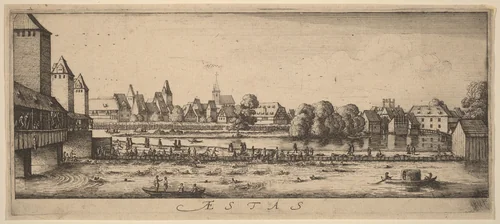
Hollar’s production was staggering, comprising well over 2,400 documented individual pieces. His skill lay not just in volume but in intricate, almost microscopically exact detail, rendering complex cityscapes and individual studies with acute clarity. Unlike contemporaries who often focused on dramatic narrative, Hollar excelled at the intimate, cataloging everything from fashion and costume to daily life and the evolving face of urban centers. He created defining visual records of his adopted homeland, including detailed topographical studies such as the View of Lewenberg, which offers valuable historical data alongside aesthetic pleasure. Hollar’s intense, persistent focus on detail often makes his body of work feel less like an archive of fleeting moments and more like an exhaustive visual inventory of 17th-century material culture.
His work in portraiture was equally significant, demonstrating an ability to capture psychological nuance beneath a precise likeness. This is evident in studies such as Francis Bacon in a Niche and the depiction of Lady Catherine Howard. Hollar also contributed significantly to the tradition of self-documentation, appearing in publications like Self-Portrait, from Image de divers hommes: The true effigies of the most eminent Painters. Moreover, his compilation of royal records, exemplified by the Album with Heads of Kings and Queens of England, established vital visual lineages for the English monarchy.
Today, the extensive collection of Wenceslaus Hollar prints remains highly valued for its artistic merit and historical specificity. Due to the age of the original plates, many of these museum-quality works are now secured in the public domain, offering historians and enthusiasts access to high-quality prints and downloadable artwork derived directly from the master's original compositions. Hollar’s life concluded in London, where he died and was interred at St Margaret's Church, Westminster, leaving behind an unparalleled visual testament to a pivotal era in European graphic arts.
Source: Wikipedia · CC BY-SA 4.0