Wayne White
Wayne White’s significant contributions to American visual culture are inextricably linked to his central role in the Index of American Design (IAD), a pivotal Federal Art Project established during the New Deal era (1935-1941). Operating as an essential visual historian, White’s work focused on meticulously documenting the decorative and utilitarian arts of the colonial period through the close of the nineteenth century, ensuring that a disappearing material culture was preserved for posterity. His output, categorized within the IAD’s exhaustive 12-index structure, demonstrates an extraordinary breadth, ranging from domestic implements to objects of significant historical weight.
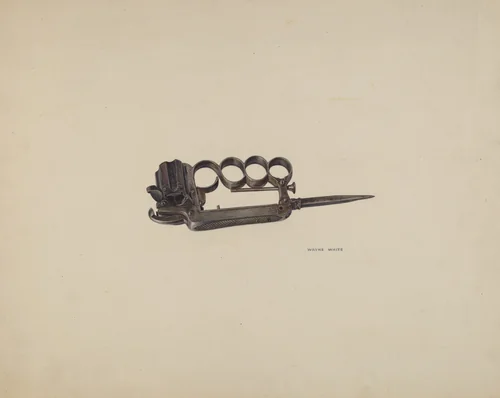
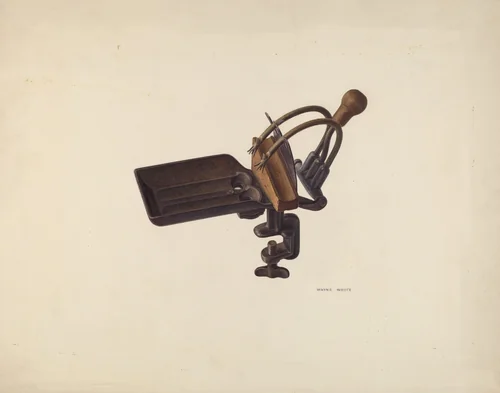
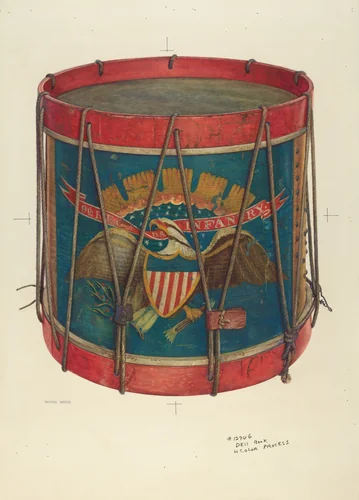
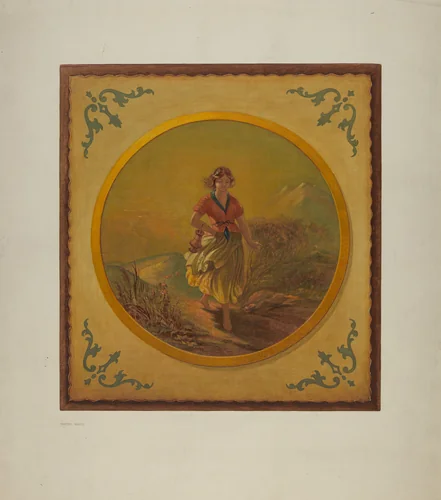
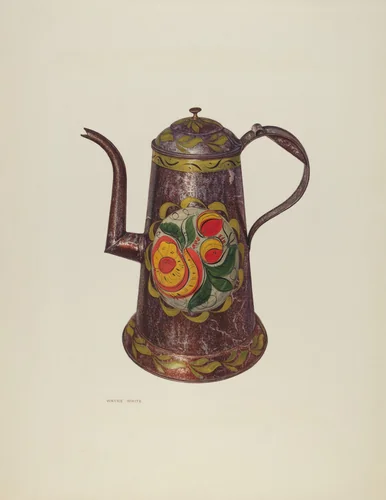
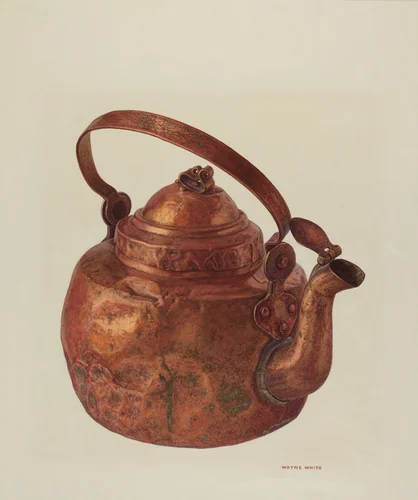
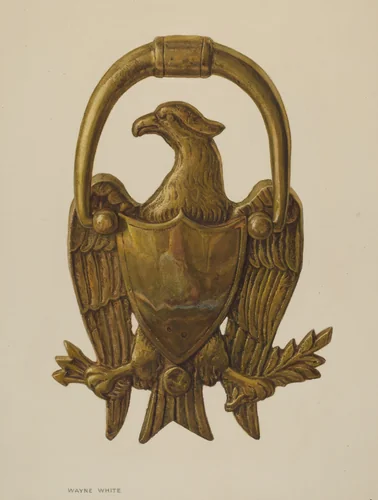
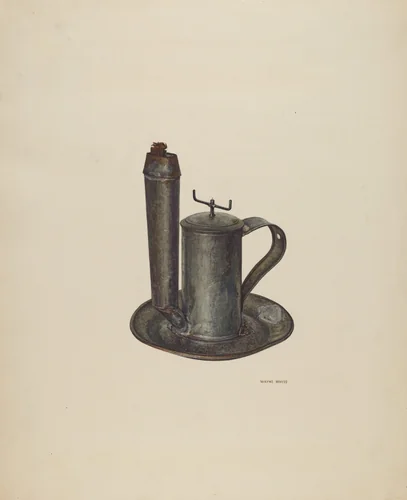
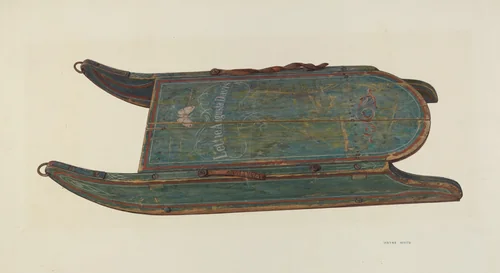
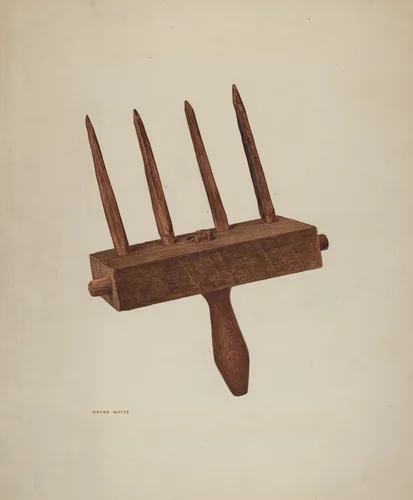
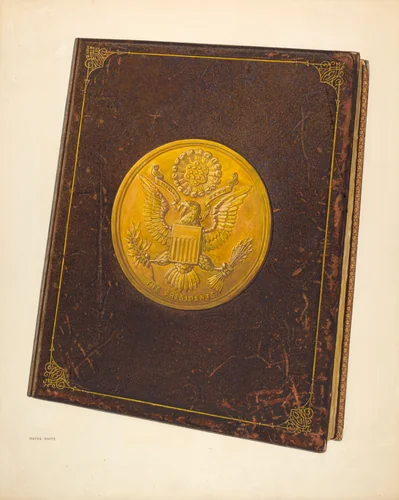
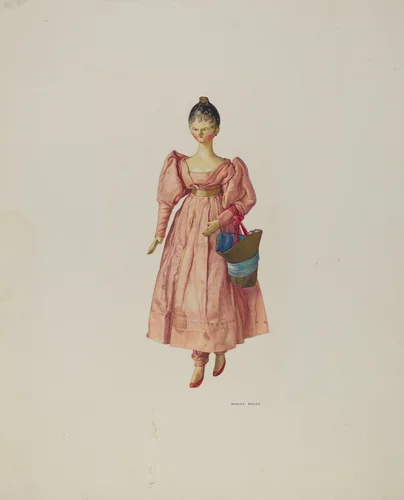
White’s methodology combined the precision of technical drawing with the sensitivity of artistic rendering. His goal, shared by the wider IAD effort, was to create exact visual plates of objects that served as the foundational bedrock of American design before the advent of mass production. The resulting body of work showcases a democratic vision of history, elevating the everyday object alongside militaria. He produced plates illustrating complex technical items like the Apache Gun and the detailed structure of a Civil War Drum, balancing this with renderings of functional Americana such as the Cherry Pitter, the detailed lines of a Coffeepot, and the specific ornament found on a Painted Panel from Pullman Car Interior. This disciplined approach allowed for the capture of texture, patina, and construction methods with a museum-quality accuracy rare in early twentieth-century documentation.
The importance of the IAD, and by extension, the precise output found in the Wayne White prints, lies in its accessibility and scope. The collective Index ultimately compiled over 15,000 such plates, creating a comprehensive, royalty-free archive for researchers, designers, and educators. Today, this extensive collection resides in the National Gallery of Art, where the enduring clarity of these detailed works remains highly valued. The commitment to visual preservation during a tumultuous economic period ensures that this art-historical resource is widely accessible, often found as downloadable artwork in the public domain. White’s legacy is defined not by a single masterpiece, but by the quiet authority he lent to the cataloging of American ingenuity, proving that meticulous documentation itself can be a profound artistic act.