Wari
The Wari culture was an influential political and artistic force active in the Central Andes region of South America between 600 and 800 CE. Known primarily for sophisticated administrative structures and highly refined textile production, Wari artisans excelled in complex weaving techniques and intricate polychrome designs that define the Middle Horizon period.
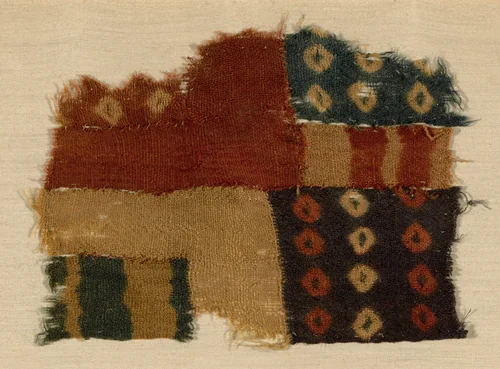
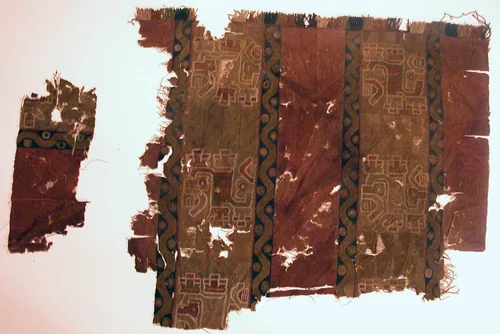
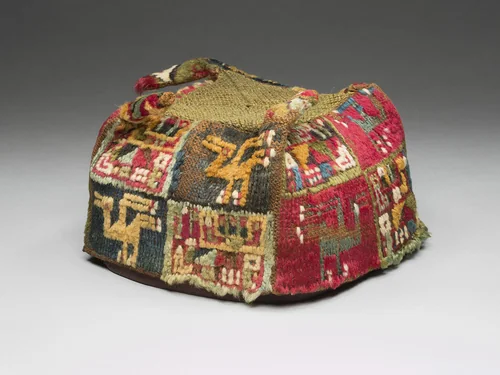
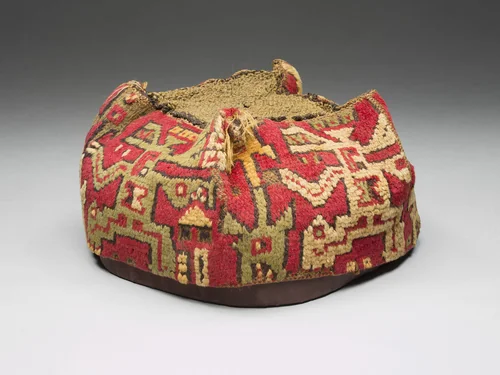
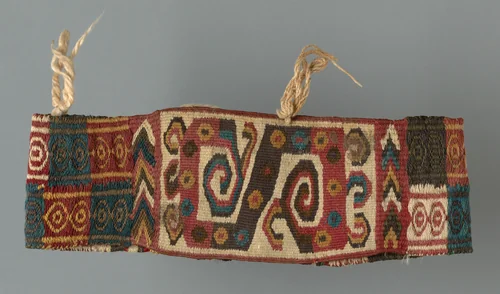
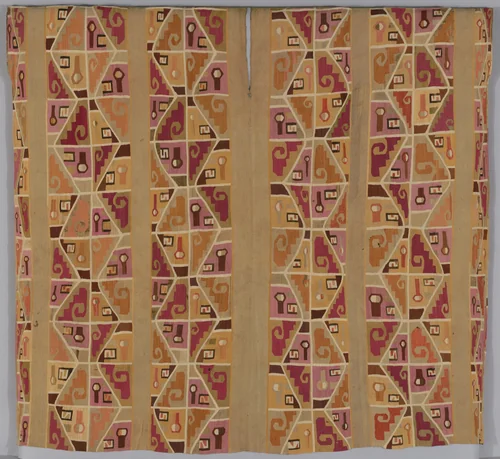
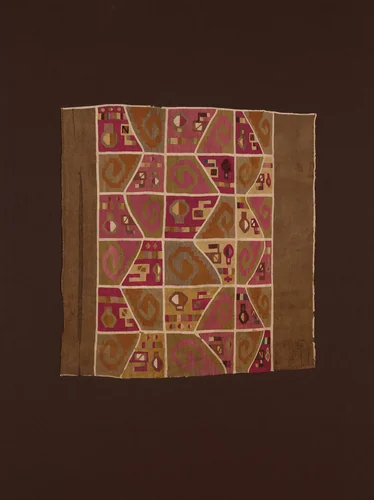
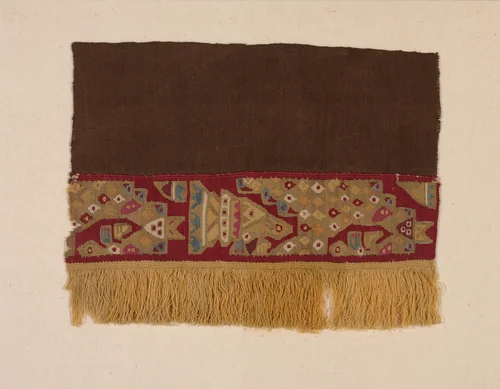
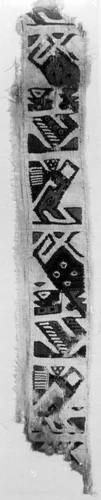
The artistic legacy of the Wari is significantly represented by surviving textiles held in institutions worldwide. Eleven of these textile works are preserved in museum collections, confirming the importance of woven fabrics within their societal structure and aesthetic canon. These surviving pieces range from large architectural remnants to personal adornments, including the documented Fragment (Headband), various Fragments (From a Tunic), and functional items such as the documented examples of a Hat. The detailed construction and iconography of these textiles are often sought after as definitive museum-quality examples of pre-Columbian weaving.
Wari textiles are represented in major collections, notably the Art Institute of Chicago, which holds several key fragments. As these historical works are documented and digitized, high-quality prints and records of the artistry frequently become available in the public domain, offering access to downloadable artwork for researchers studying ancient Andean civilizations.