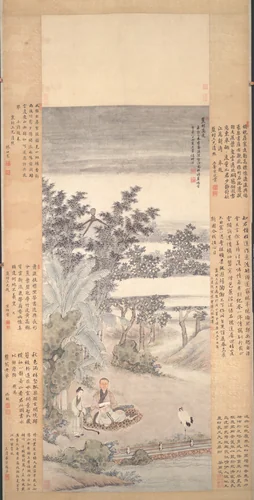
Wang Hui (王翚)
Wang Hui (王翚) was an artist whose active documented period spanned the years 1632 to 1715. His historical significance is cemented by the holdings of major American institutions, which collectively possess thirteen paintings and one drawing attributed to the artist.
These documented works, often considered museum-quality pieces, are preserved in collections including the Metropolitan Museum of Art, the Art Institute of Chicago, and the Cleveland Museum of Art. The representation of Wang Hui (王翚) paintings and drawings across these institutions underscores his influence and importance in the history of art.
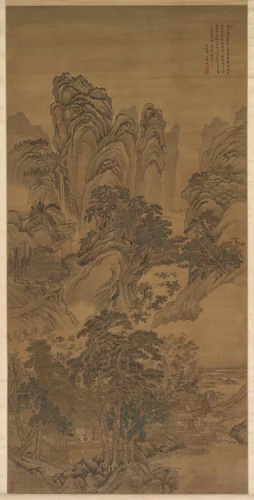
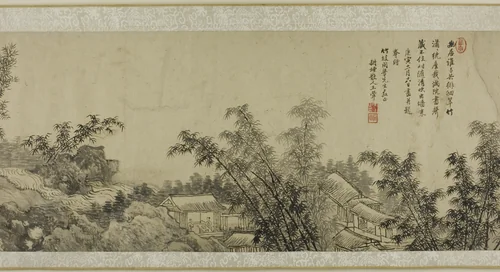
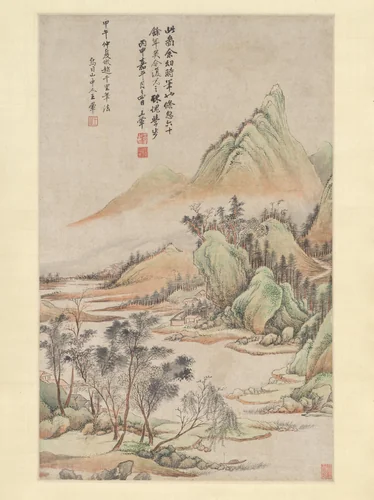
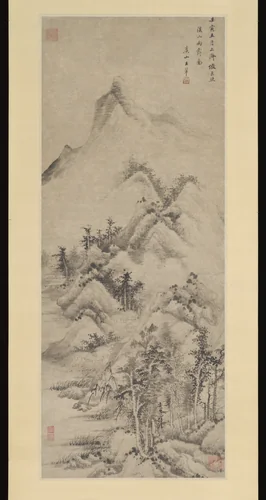
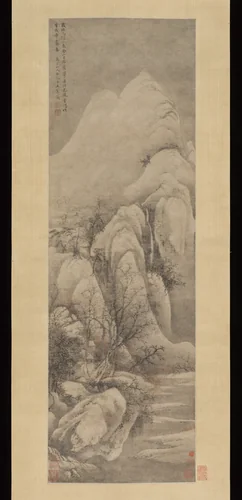
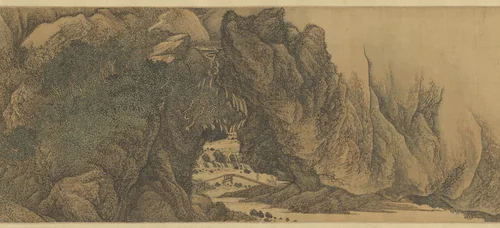
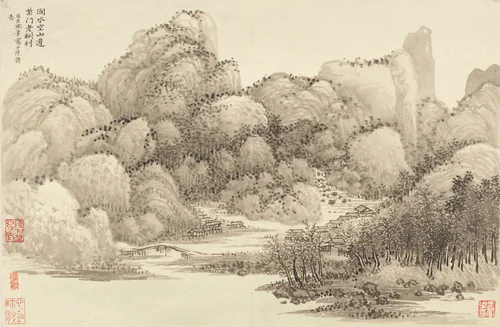
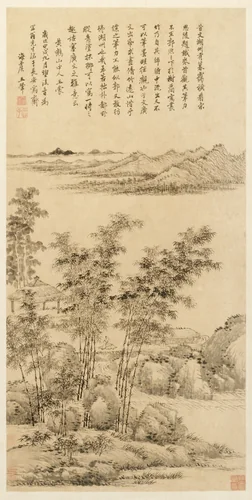
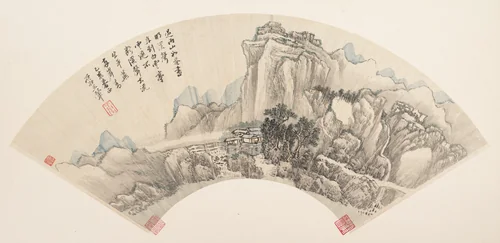
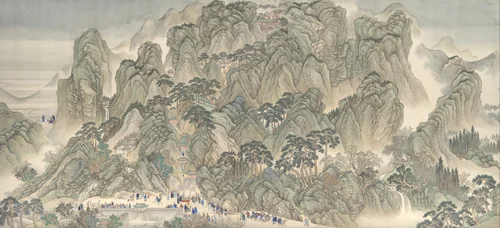
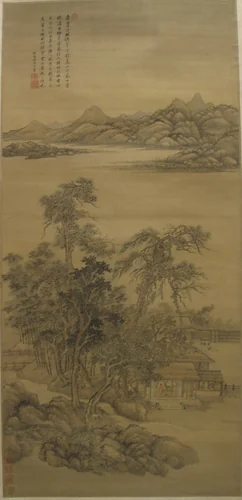
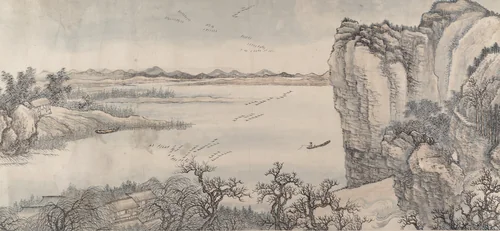
Among the specific works documented are several substantial landscape studies. These include The Bamboo Slope 竹坡圖, the compositionally significant Clearing after Rain over Streams and Mountains, and Landscape. Further demonstrating his engagement with historical precedent are Snow Clearing: Landscape after Li Cheng and Landscape in the Style of Zhao Boju (Fang Zhao Boju shanshui), indicating an artistic practice rooted in traditional Chinese painting methodologies.
Today, many of Wang Hui’s works are reproduced as high-quality prints, allowing for broader study and appreciation. Works that have entered the public domain are highly valued resources for curators and scholars alike.