Wang Gai (王槩)
Wang Gai (王槩) was an artist active during a concentrated period in the late 17th century, with his documented artistic output centered specifically between 1677 and 1679. The surviving historical record indicates proficiency in both painting and printmaking, primarily focusing on traditional Chinese landscape subjects.
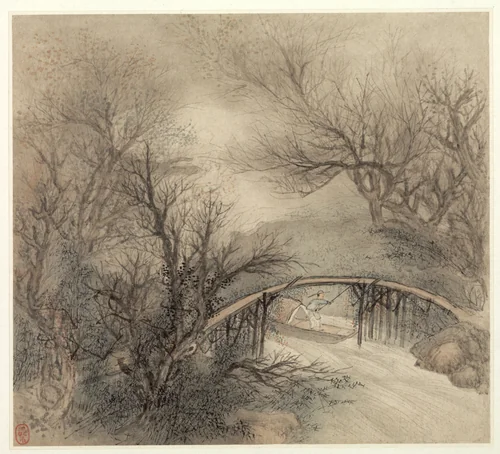
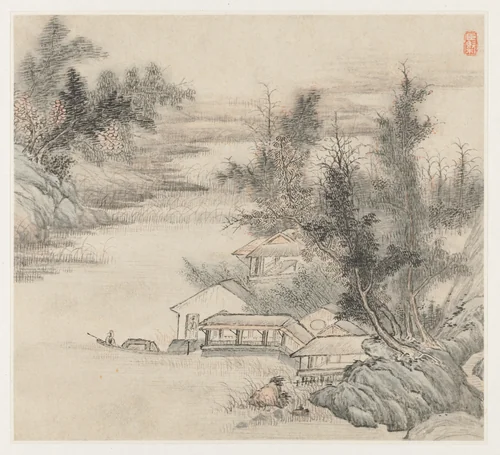
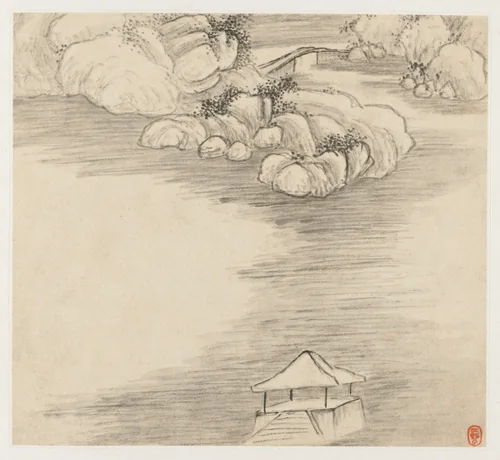
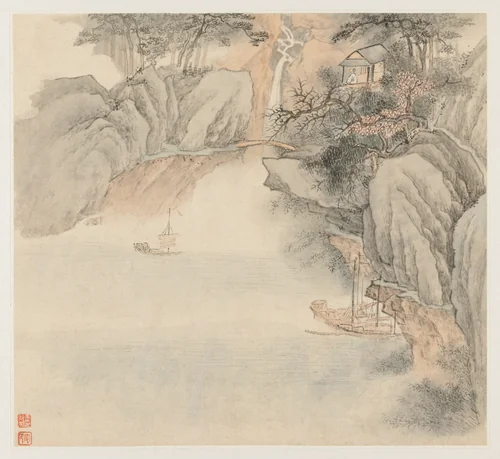
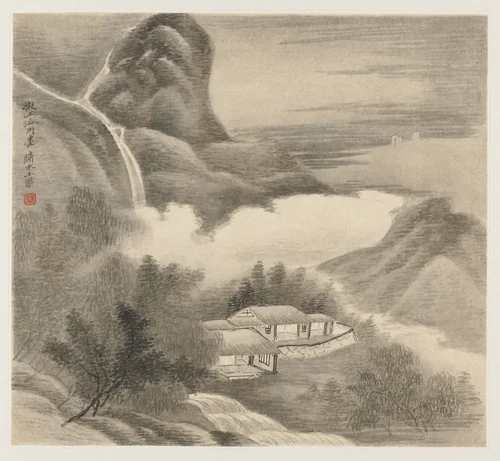
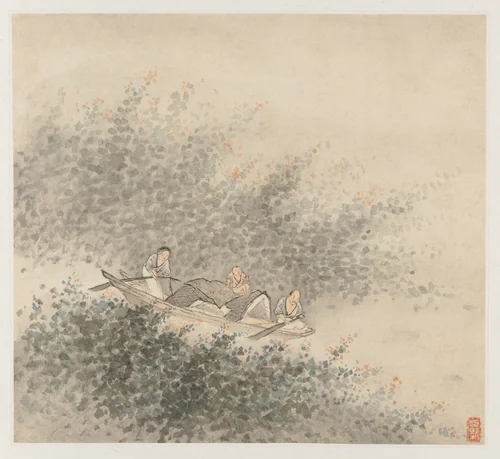
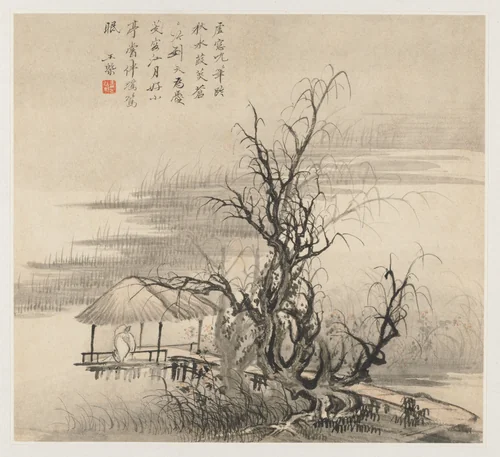
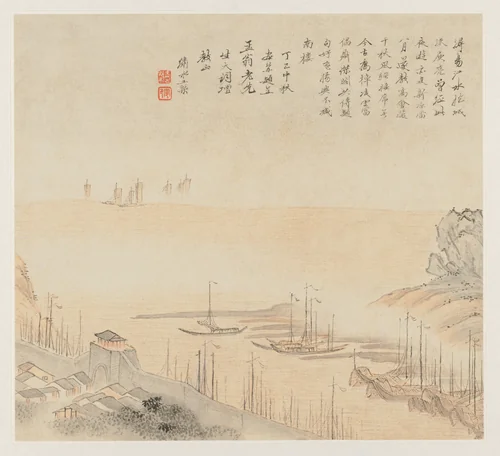
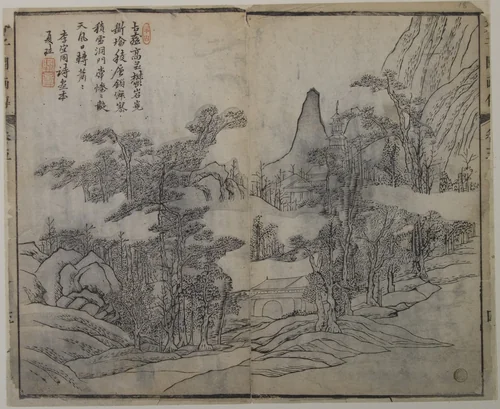
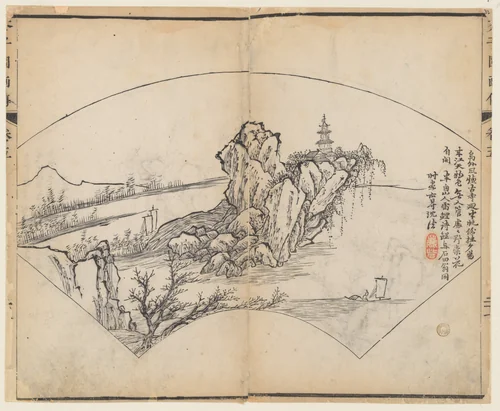
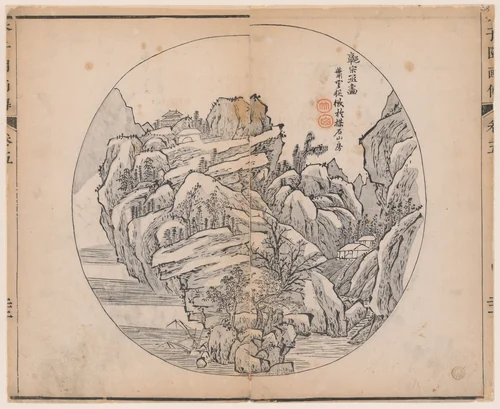
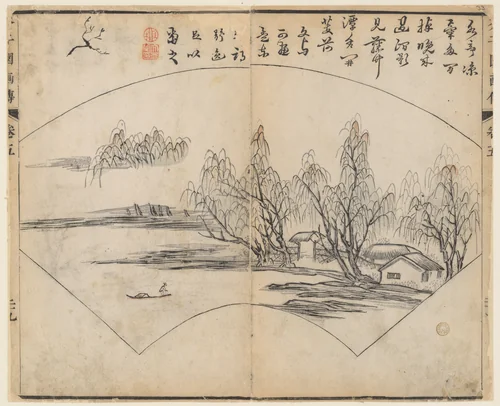
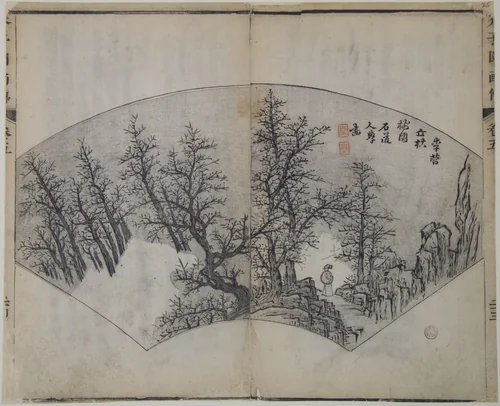
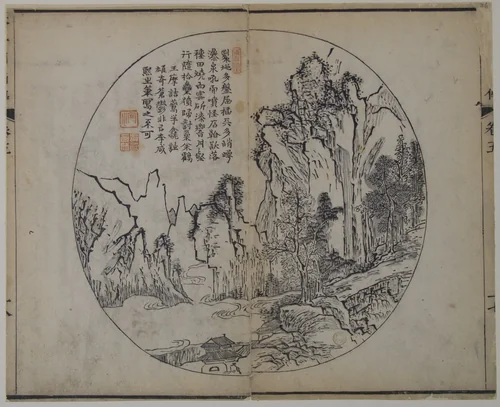
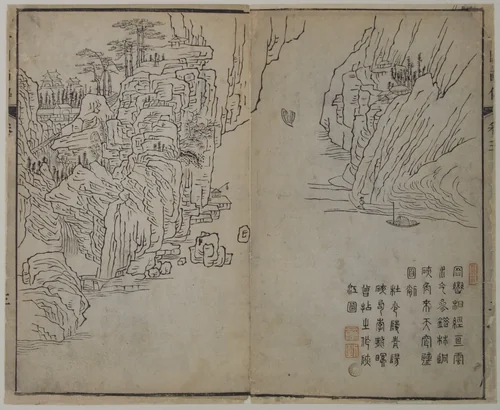
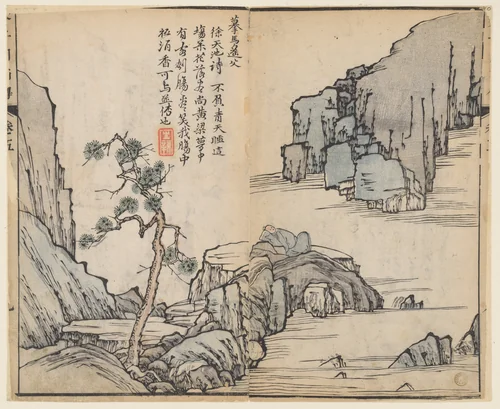
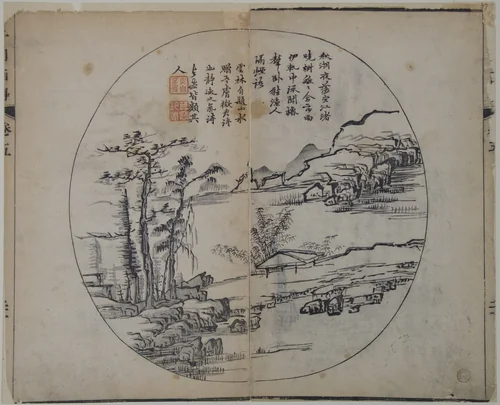
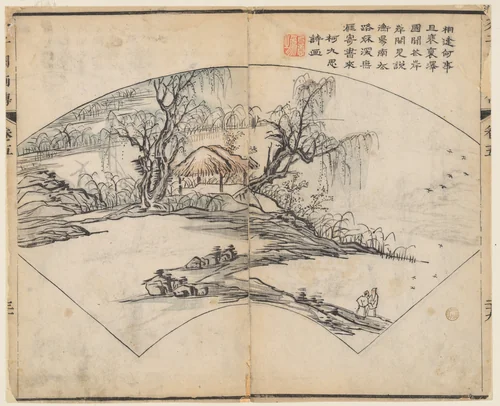
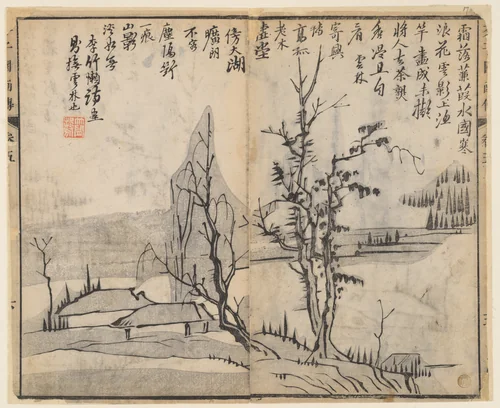
The historical significance of Wang Gai (王槩) is established through the representation of his work in major Western institutions, including the Metropolitan Museum of Art and the Cleveland Museum of Art. Museum collections currently account for nine Wang Gai (王槩) paintings and six prints. A significant component of the artist's preserved output is the detailed landscape study, Album of Landscapes, which is documented alongside its component pieces, such as Album of Landscapes: Leaf 1 and Album of Landscapes: Leaf 4.
The body of work attributed to Wang Gai (王槩) emphasizes intimate landscape compositions and provides critical insight into the artistic practices of the era. These historically important works are often made available through museum digital initiatives. Consequently, art enthusiasts can access high-quality prints derived from these collection items, ensuring that the artist’s relatively sparse but compelling legacy is preserved and widely available in the public domain.