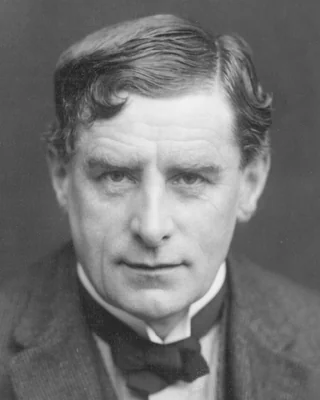
Walter Richard Sickert
Walter Richard Sickert (1860-1942) remains one of the most consequential figures bridging late 19th-century aestheticism and 20th-century British modernism. Born in Germany, he settled in Britain and became a pivotal painter and printmaker, instrumental in defining the trajectory of London’s avant-garde scene. Sickert was the leading force behind the Camden Town Group, a short-lived but highly influential collective of Post-Impressionist artists established in 1911. The group sought to apply the tonal lessons of French masters, particularly Edgar Degas and James McNeill Whistler, to gritty, everyday London subject matter, consciously moving away from the rigid standards of the Royal Academy.
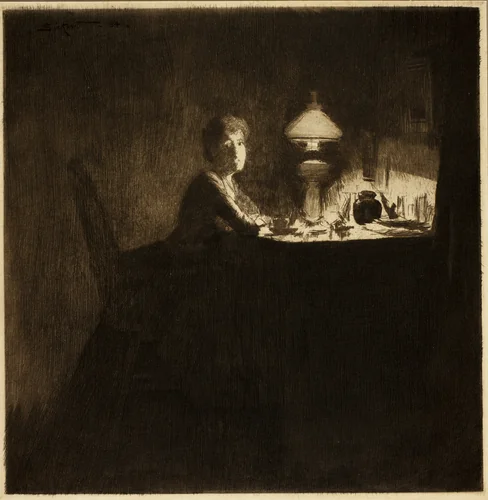
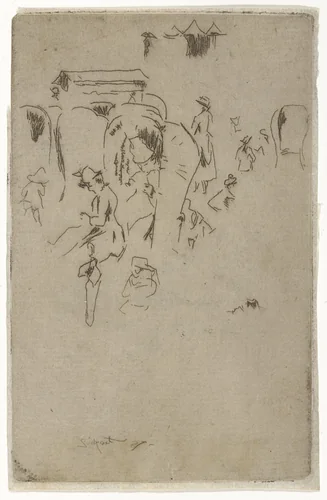
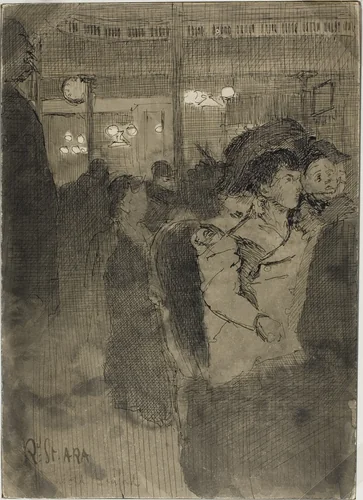
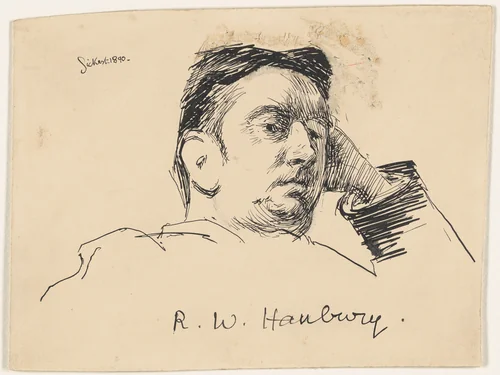
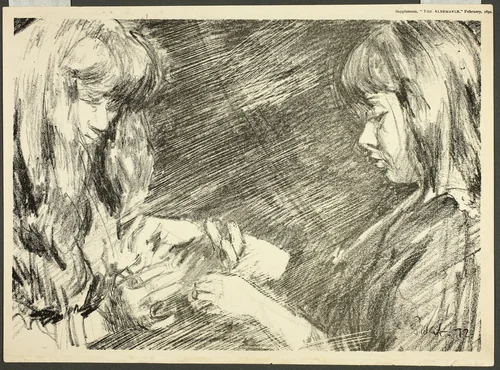
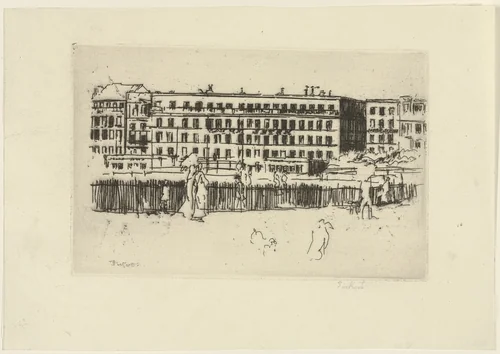
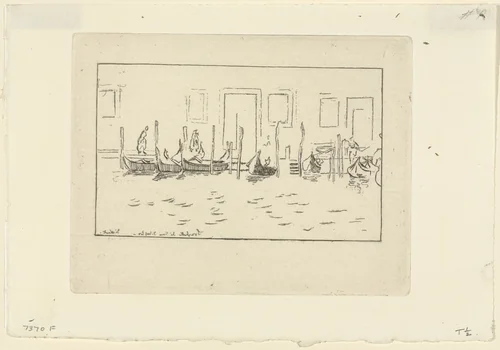
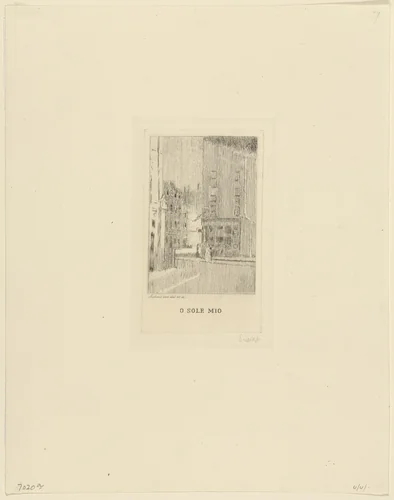
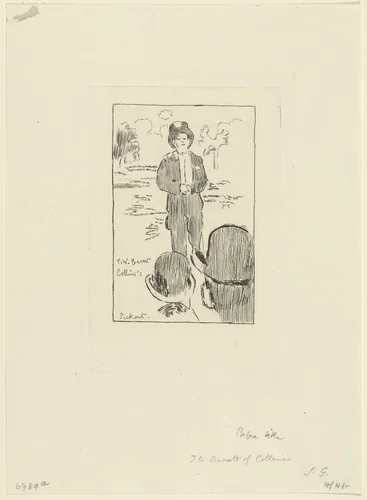
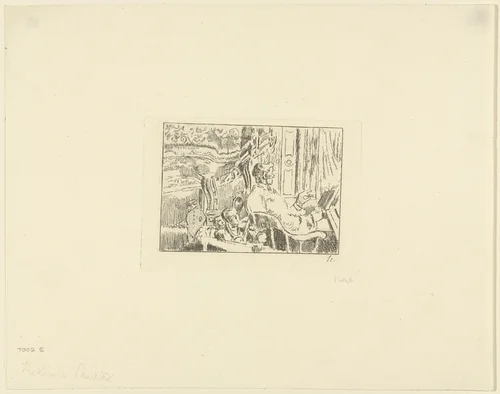
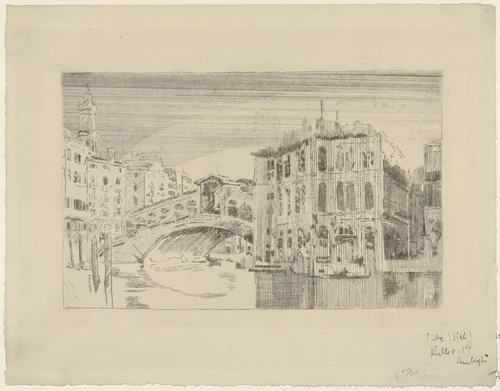
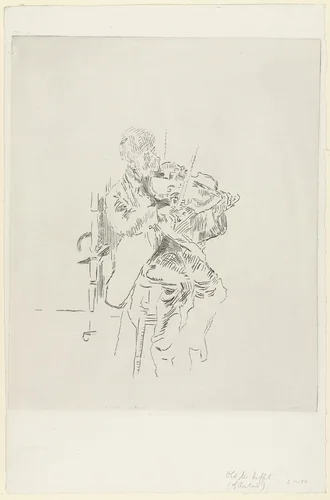
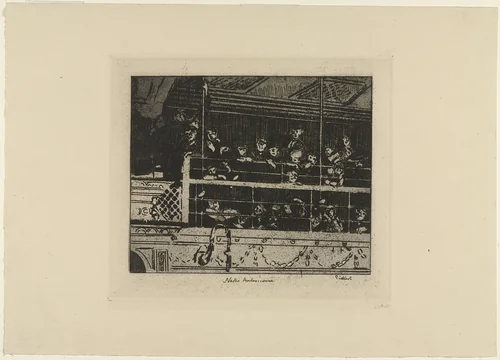
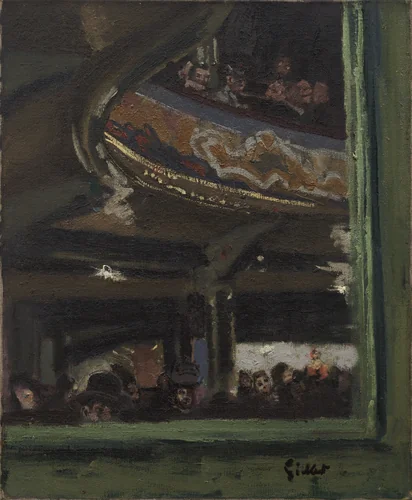
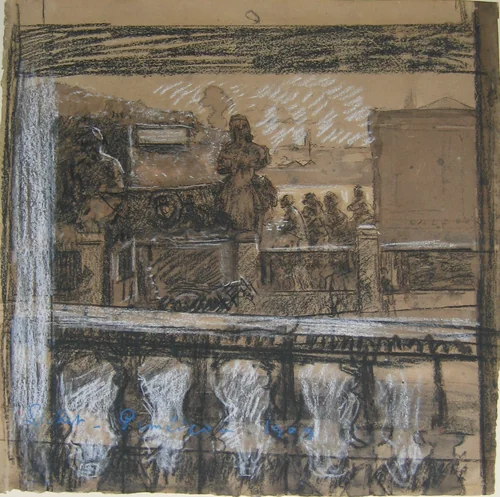
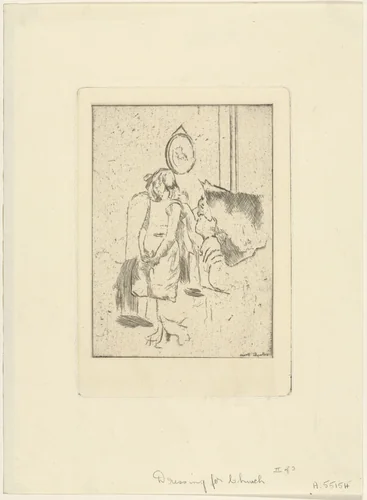
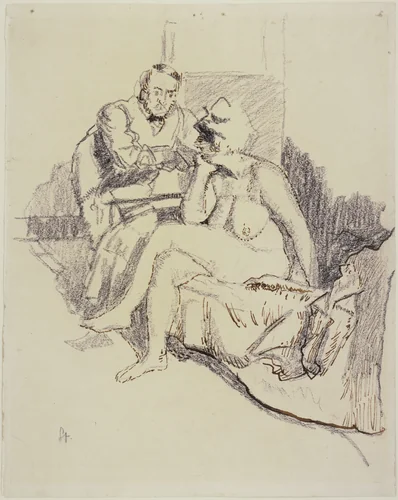
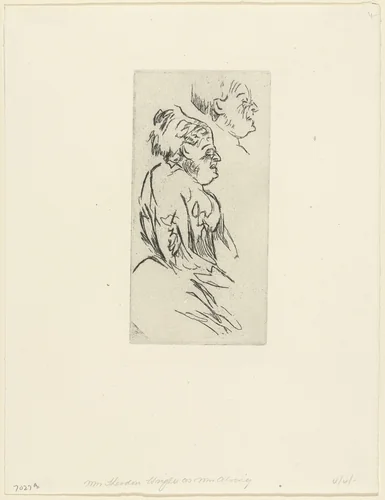
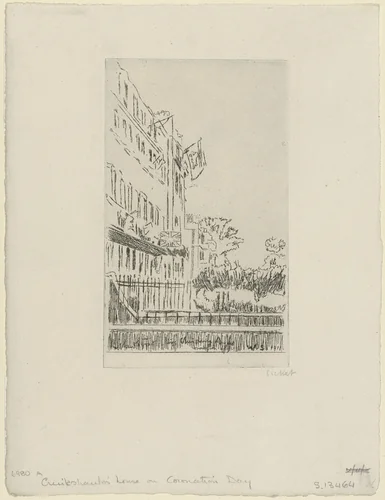
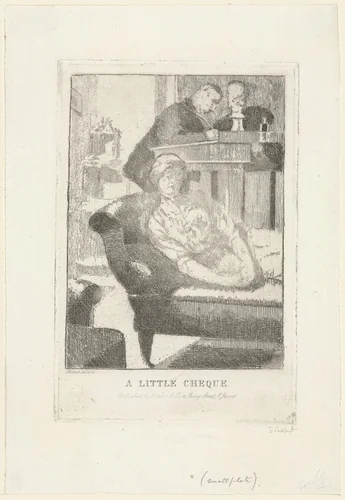
Sickert’s robust output, represented here by eleven prints, three drawings, and one painting from his active period between 1884 and 1909, demonstrates a masterful engagement with both oil and graphic media. His works often centered on intimate, sometimes stark, views of music hall interiors and the drab realities of contemporary urban life. Pieces like The Old Bedford (recto); The Gallery of the Old Bedford (verso) capture the fleeting ambiance of the popular theatre, emphasizing atmosphere, tone, and shadow over detailed narrative. His innovative use of etching and drypoint elevated the status of printmaking in Britain, ensuring that high-quality prints featuring Sickert’s distinctive style circulated widely among collectors and peers. One might observe that Sickert, always meticulously self-aware of his artistic lineage, often chose subjects, such as cheap lodging houses or neglected backstage views, that had previously been ignored or deemed unsuitable for high art, giving him the unique opportunity to define their visual terms without precedent.
Sickert’s formal innovations, characterized by dramatic cropping, strong tonal contrasts, and a willingness to embrace the unvarnished reality of the modern city, provided an essential foundation for subsequent generations. His influence was felt deeply across distinctively British styles of avant-garde art throughout the mid and late 20th century, cementing his reputation as a crucial touchstone of native modernism. Today, the enduring relevance of Walter Richard Sickert paintings and graphic works is confirmed by their inclusion in major international repositories, including the Museum of Modern Art and the Art Institute of Chicago. As many of his key works now exist within the public domain, they are accessible globally as downloadable artwork, allowing researchers and enthusiasts to study the nuanced texture and detail of Sickert’s complex vision firsthand.
Source: Wikipedia · CC BY-SA 4.0