Walter Doran
Walter Doran holds a significant place among the hundreds of artists commissioned for the Index of American Design (IAD), a pivotal Federal Art Project established in 1935 under the Works Progress Administration. Operating during a critical five-year period, from 1935 to 1940, Doran contributed to the monumental effort to visually catalogue American decorative arts and material culture predating 1900. This initiative was conceived both as a vital employment measure for artists during the Great Depression and as a national repository for design reference, aimed at influencing and educating contemporary industrial production.
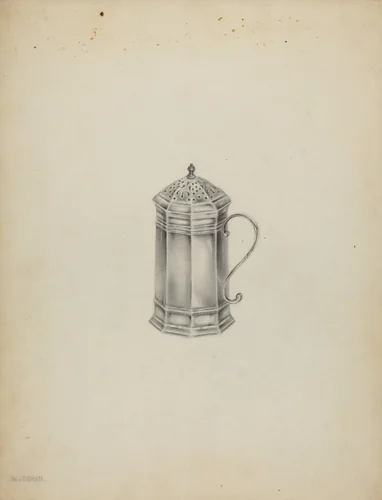
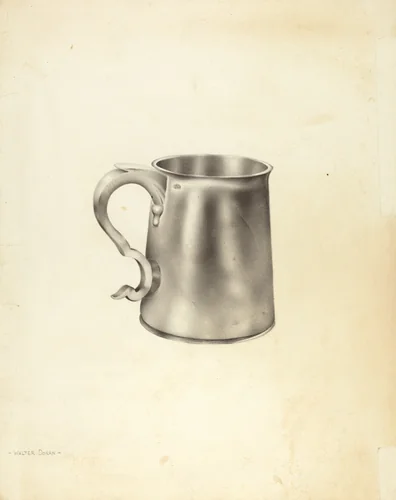
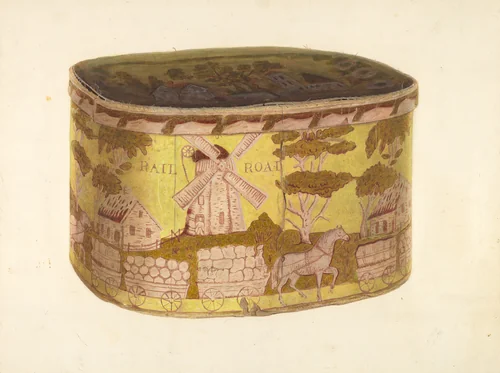
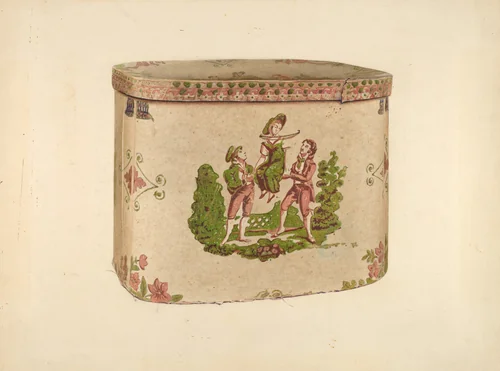
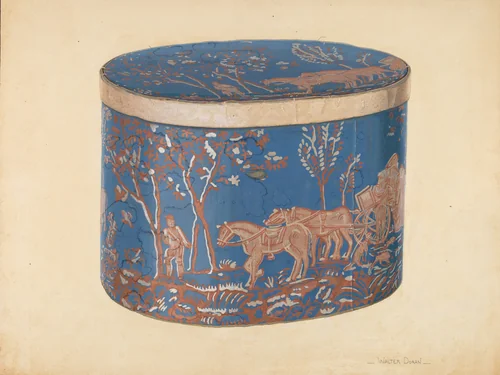
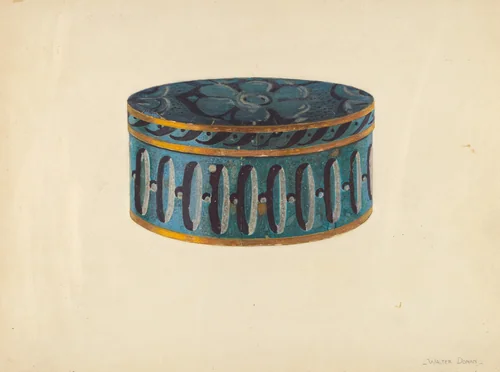
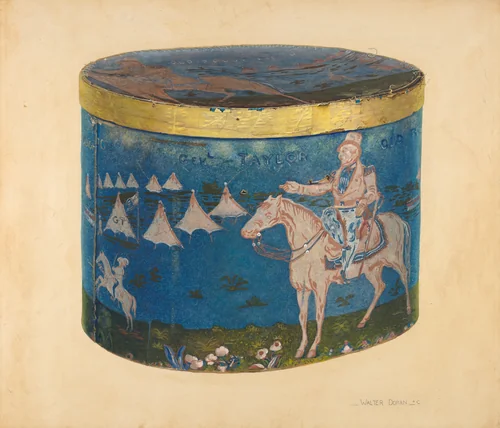
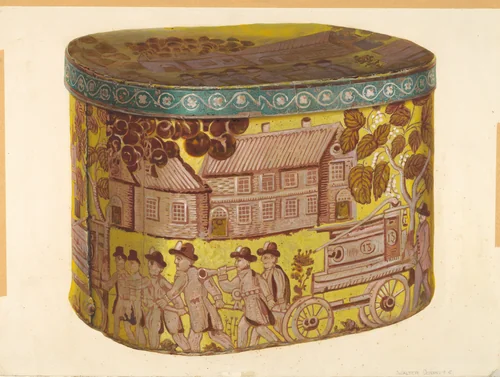
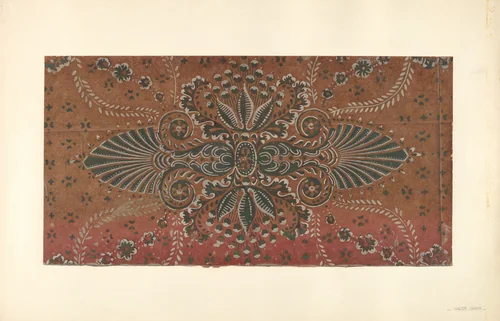
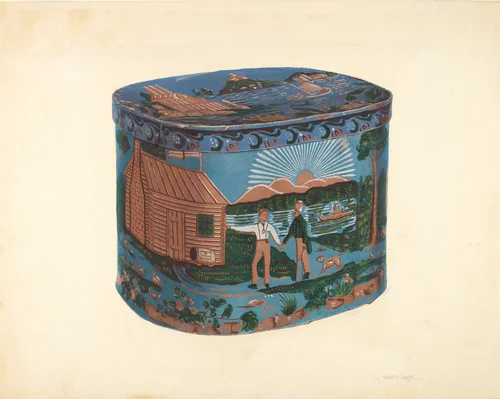
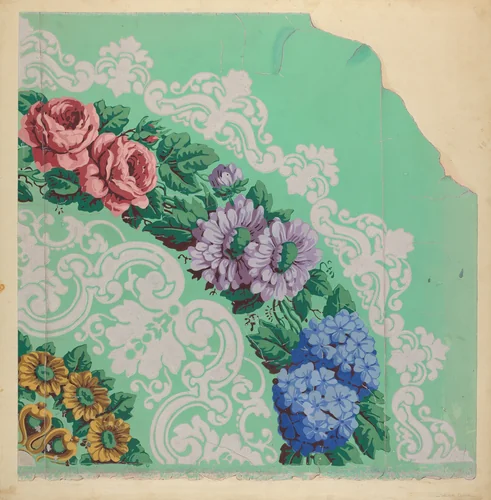
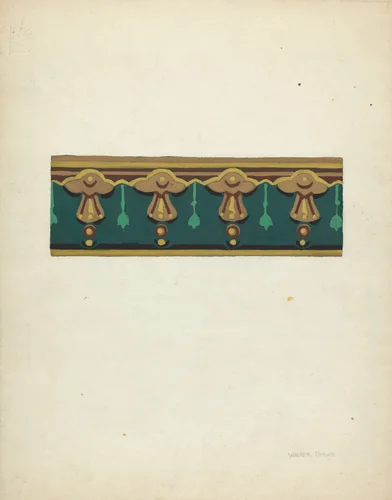
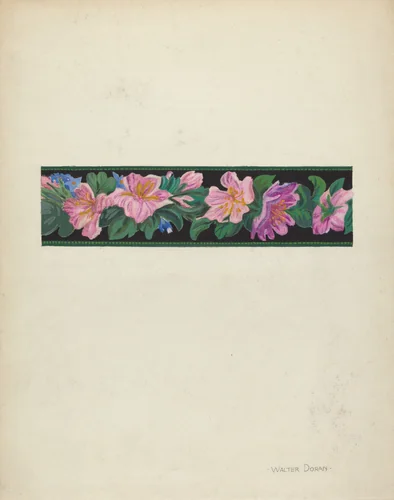
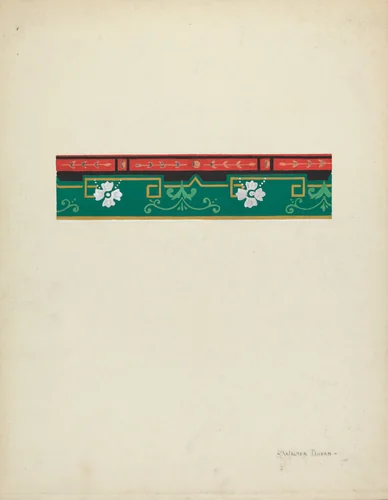
Doran’s output for the IAD, comprising fourteen documented studies, reflects a dedication to precise, museum-quality rendering of functional objects. His portfolio demonstrates a sophisticated command of observational drawing and technical illustration, primarily in watercolor and gouache, essential for capturing the subtle textures and fabrication details of historical artifacts. Among the objects meticulously documented by Doran, now held in the collection of the National Gallery of Art, are the elegant lines of a Silver Salt Cellar, a robust Silver Mug, and a series of studies focusing on the everyday utility of the American Bandbox.
The choice of subject matter highlights Doran’s commitment to capturing democratic design. It is a subtle but pervasive irony that disposable, functional items such as the pasteboard Bandbox, often covered in decorative wallpaper, were preserved by artists using methods historically reserved for high fine art masterpieces.
The lasting impact of the IAD is its success in creating a permanent, accessible record of the nation’s craft heritage. Doran’s drawings, like those of his contemporaries, became a cornerstone resource for subsequent generations of historians, curators, and designers. Today, the integrity of these original works allows for the production of high-quality prints, ensuring wide circulation of his documentation. Due to the federal funding structure of the IAD, the Walter Doran prints and original studies are considered public domain, remaining freely accessible for research, inspiration, and educational purposes worldwide.
Source: Wikipedia · CC BY-SA 4.0