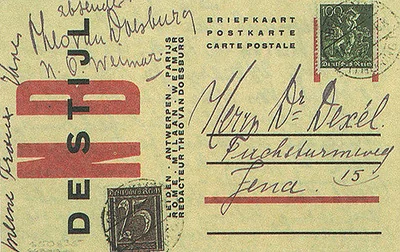
Walter Dexel
Walter Dexel (1890-1973) was a foundational German modernist whose highly organized career bridged the fine arts, commercial graphic design, and the emerging field of functional urban planning. This versatility placed him squarely within the intellectual sphere of the 20th-century avant-garde, which sought to eliminate the division between artistic creation and mass production.
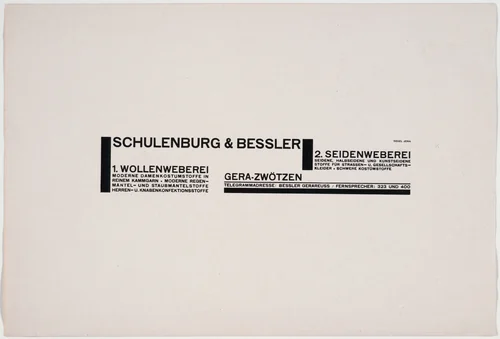
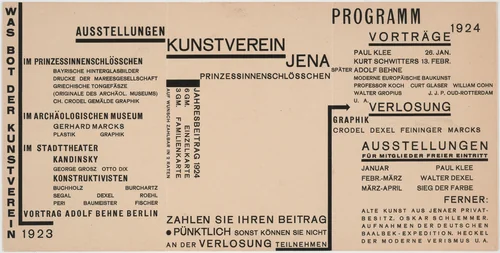
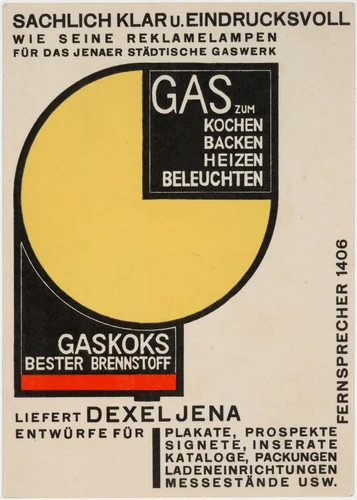
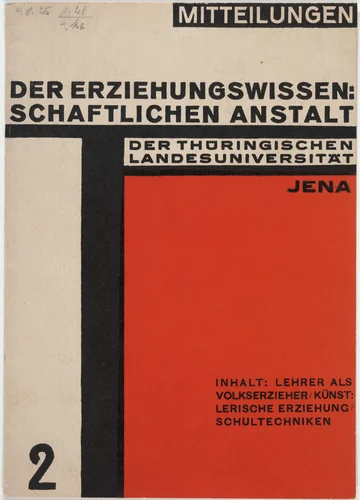
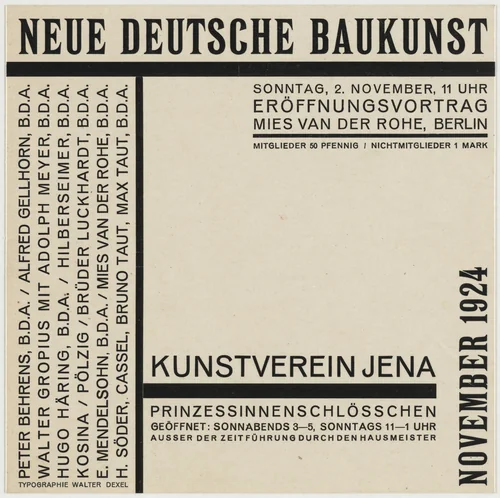
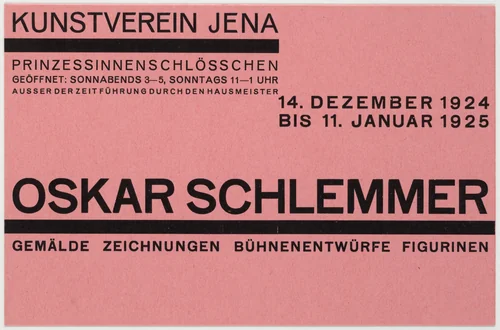
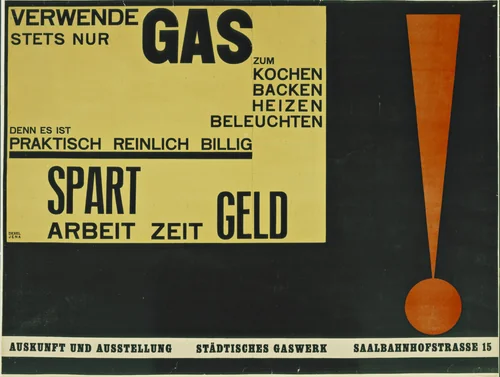
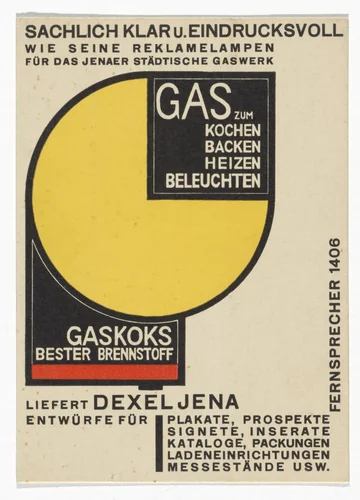
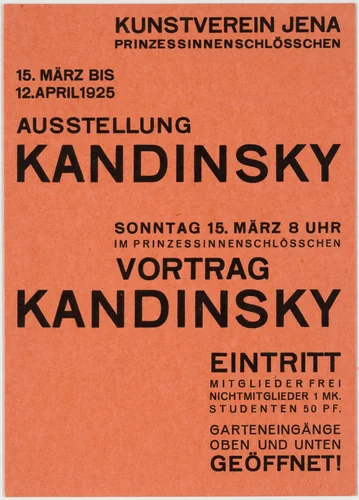
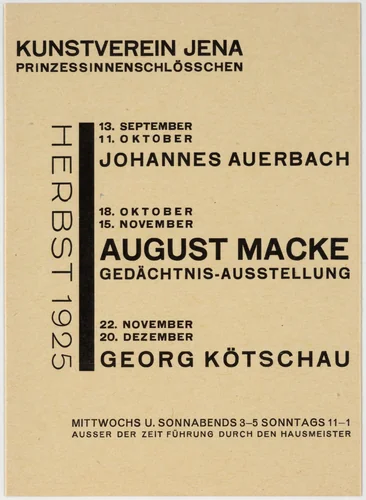
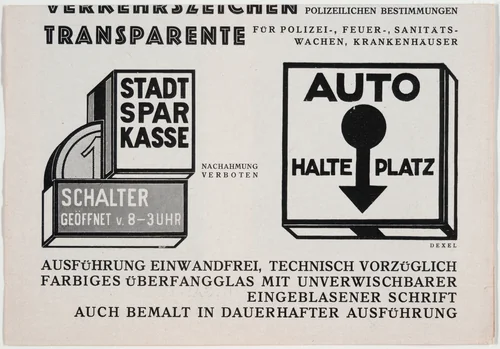
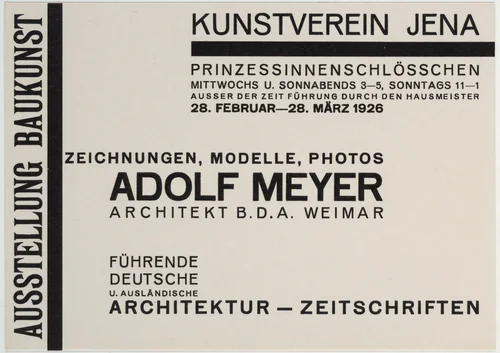
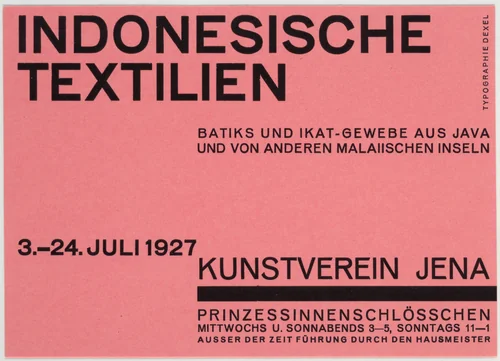
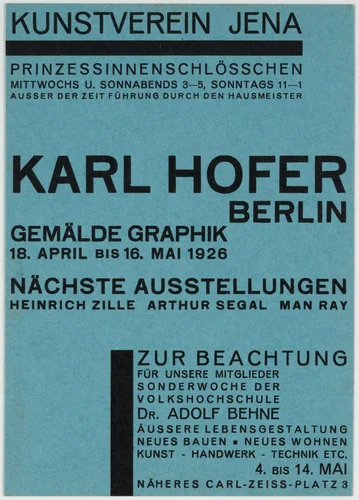
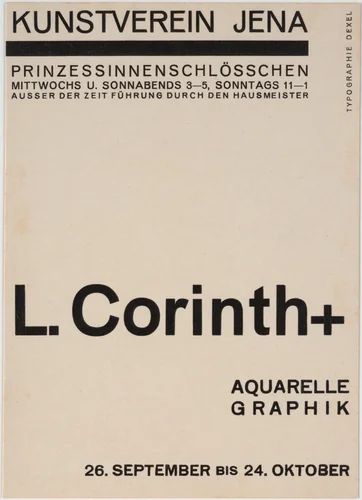
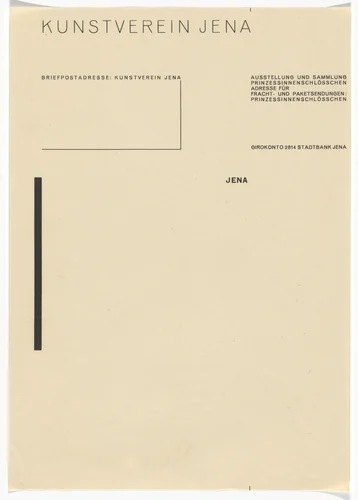
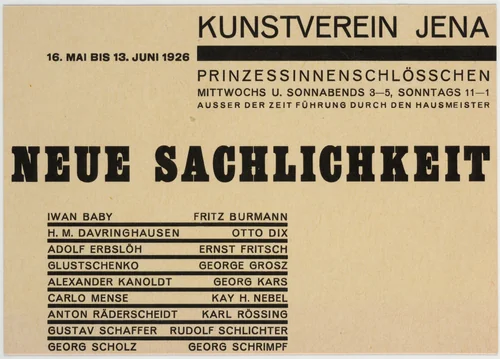
Dexel’s most historically significant period, spanning the 1910s and 1920s, saw him become a leading proponent of German functionalism and geometric abstraction. While formally trained as a painter, his greatest impact came through his graphic designs, which channeled the rigor of Constructivism and the precision of De Stijl into direct visual communication. His posters utilized reduced forms, bold typographical contrasts, and essential color palettes, transforming advertising and political messaging into crystalline structures.
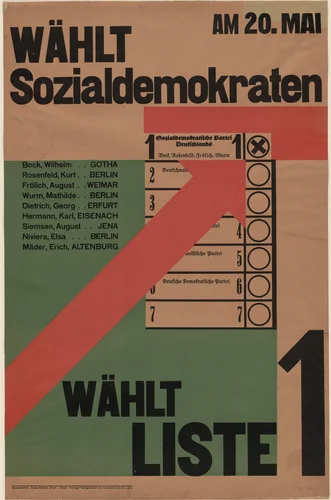
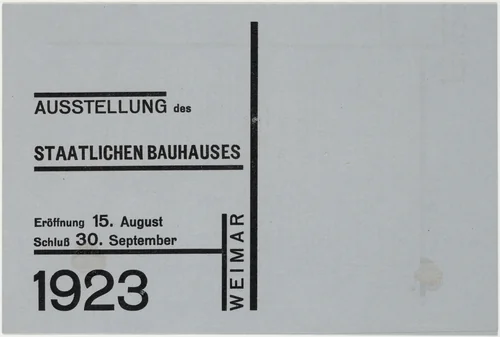
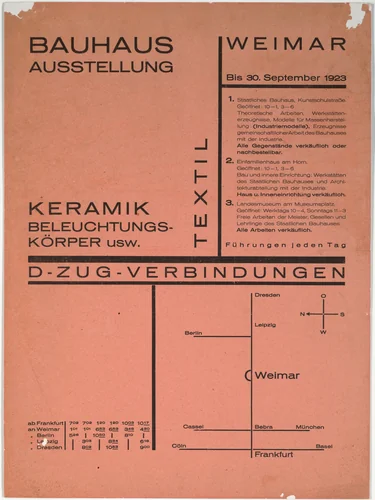
His influential designs often centered on promoting the revolutionary educational ideals emanating from Weimar. Posters such as Ausstellung des Staatlichen Bauhauses and Bauhaus Ausstellung are key historical artifacts, visually capturing the clarity and aesthetic purpose of the school that defined modern design. Similarly, his political graphics, including Am 20. Mai Wählt Sozialdemokraten, Wählt Liste 1, exemplify how modernist aesthetics could be used to mobilize public opinion efficiently. The enduring clarity and technical precision of these designs mean that today, many examples of Walter Dexel prints are sought after by collectors and reproduced as high-quality prints.
Unusually for a contemporary focused on studio art, Dexel was also a dedicated transportation planner, applying his rigorous structural principles to the organization of municipal traffic and road systems. It is perhaps a testament to his comprehensive organizational talents that, during the turmoil of the Second World War, Dexel simultaneously functioned as an art historian and directed the museum in Braunschweig. He demonstrated that a true modernist could transition seamlessly from designing efficient advertising and improving municipal traffic flow to directing major cultural institutions.
Dexel’s foundational work ensures his presence in major international collections, with several core designs held by institutions such as the Museum of Modern Art, New York. Furthermore, much of his early graphic output resides in the public domain, making downloadable artwork and royalty-free images accessible to new generations of designers.
Source: Wikipedia · CC BY-SA 4.0