Walter Crane
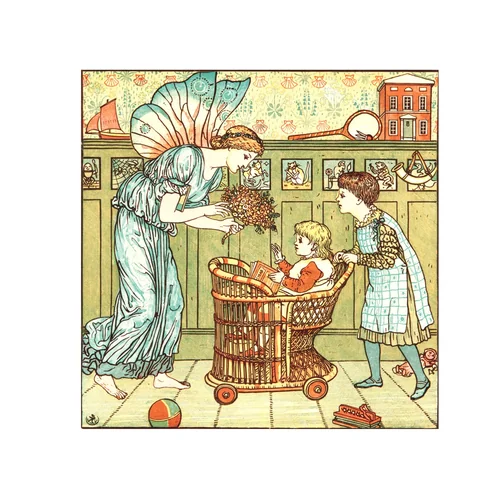
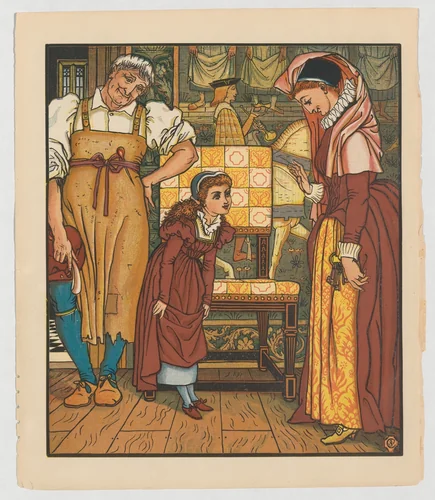
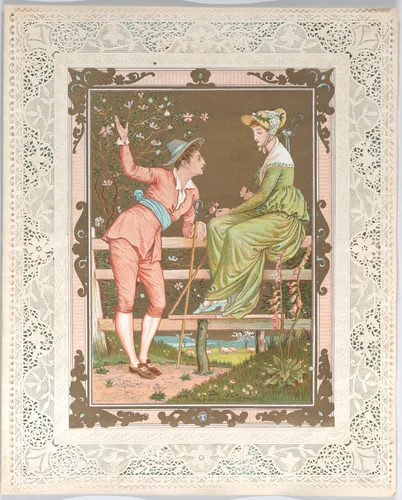
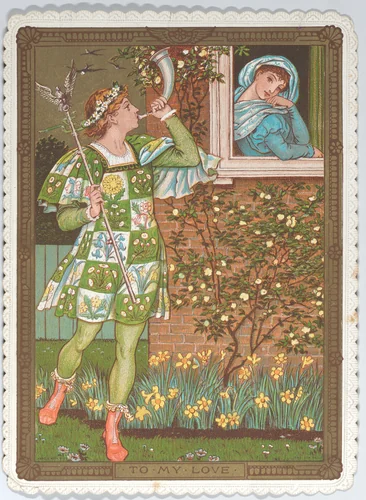
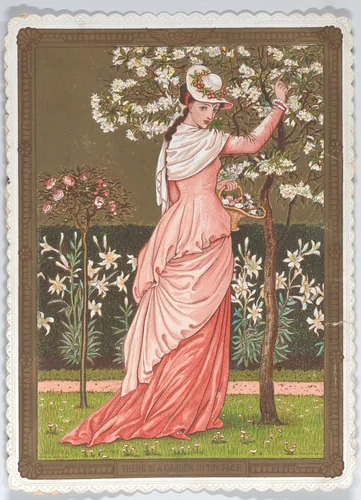
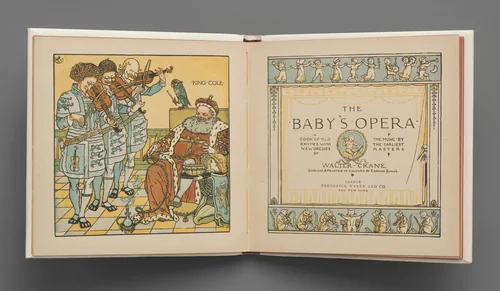
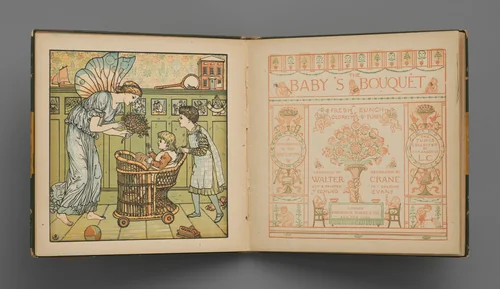
Walter Crane (1845-1885) was a pivotal English artist and book illustrator whose visionary approach fundamentally shaped the aesthetics of children’s illustrated literature in the latter half of the 19th century. Considered the most influential and among the most prolific creators in his field during his generation, Crane elevated the quality of book design from simple utility to decorative art. His distinctive style—characterized by intricate line work, carefully balanced composition, and a reverence for historical pattern—established the visual standard for the emerging genre.
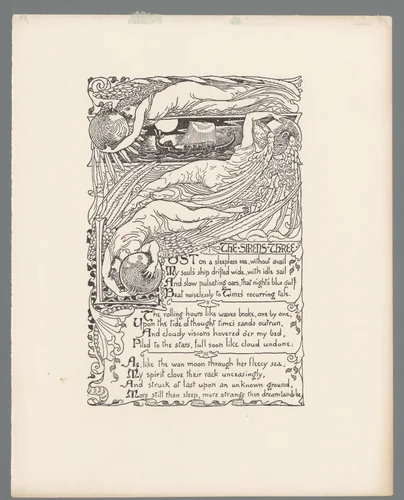
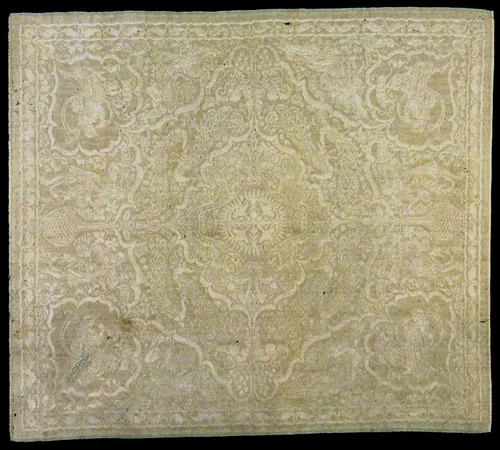
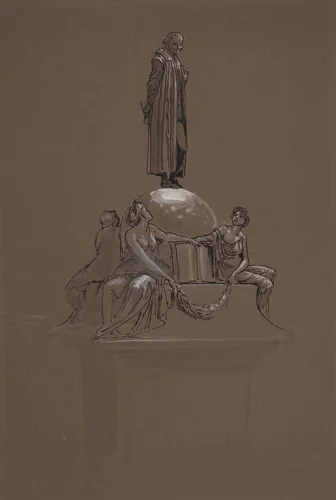
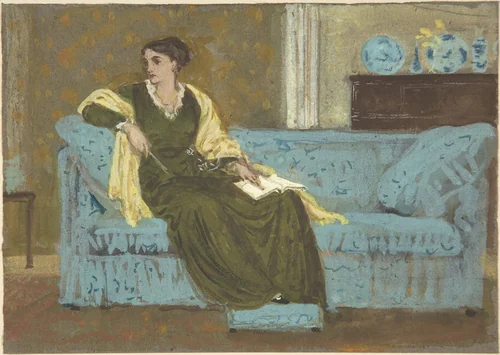
Working alongside contemporaries such as Randolph Caldecott and Kate Greenaway, Crane was instrumental in defining the particular “nursery motif” that dominated English illustrated volumes. This aesthetic commitment sought to integrate educational narrative with sophisticated visual artistry. Yet, Crane’s scope extended far beyond the covers of children’s books. His artistic output spanned disciplines, including textile design, fine art drawing, and socio-political illustration. Drawings such as Woman Seated on a Sofa and the intricate architectural study Design for a Shakespeare Memorial demonstrate his command of form and draughtsmanship separate from commercial publishing. Moreover, observational works like Sketch of a Couple Seated with Cloud Studies [verso] reveal an artist constantly engaged with his immediate environment.
Crane’s quiet coup against Victorian didacticism lay in his insistence that children’s materials should be aesthetically rigorous, ensuring that even a simple alphabet book became a study in decorative refinement. This revolutionary approach to the synergy of text and image established the benchmark for high-quality prints and publication standards that persisted well into the 20th century.
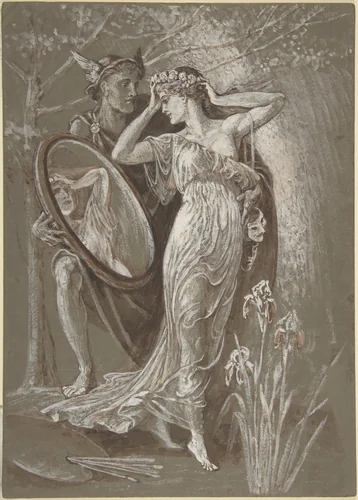
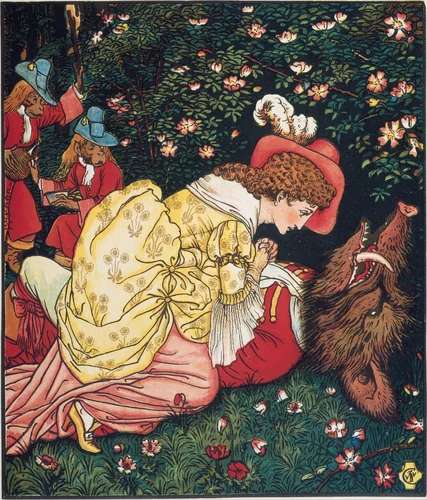
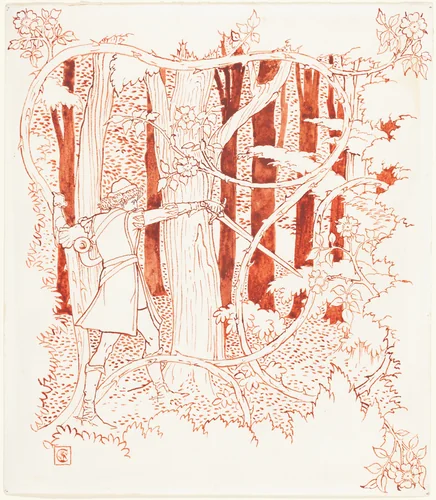
His enduring legacy is maintained in major institutional holdings, including the Metropolitan Museum of Art and the National Gallery of Art. While the original drawings—such as the romantic Prince Charming in the Forest—are fragile artifacts, the wide adoption of his work into the public domain has ensured its continued life. Demand for museum-quality reproductions remains high, guaranteeing that iconic Walter Crane prints and his influential vision of childhood are globally accessible.
Source: Wikipedia · CC BY-SA 4.0
![Kensington Gardens [recto] by Walter Crane, drawing, 1863](https://img.artbee.org/508c846a-78e6-4eb8-a5ad-ccc6d304fb3d/small.webp)
![Sketch of a Couple Seated with Cloud Studies [verso] by Walter Crane, drawing, 1863](https://img.artbee.org/246f969a-c0f8-4259-a7bc-8b9bfaa20587/small.webp)
![Design for Trade Card [The Sun Life Assurance Society] by Walter Crane, drawing, 1880-1889](https://img.artbee.org/c94df6ea-6678-44de-a4bb-ce1cba797dc0/small.webp)